
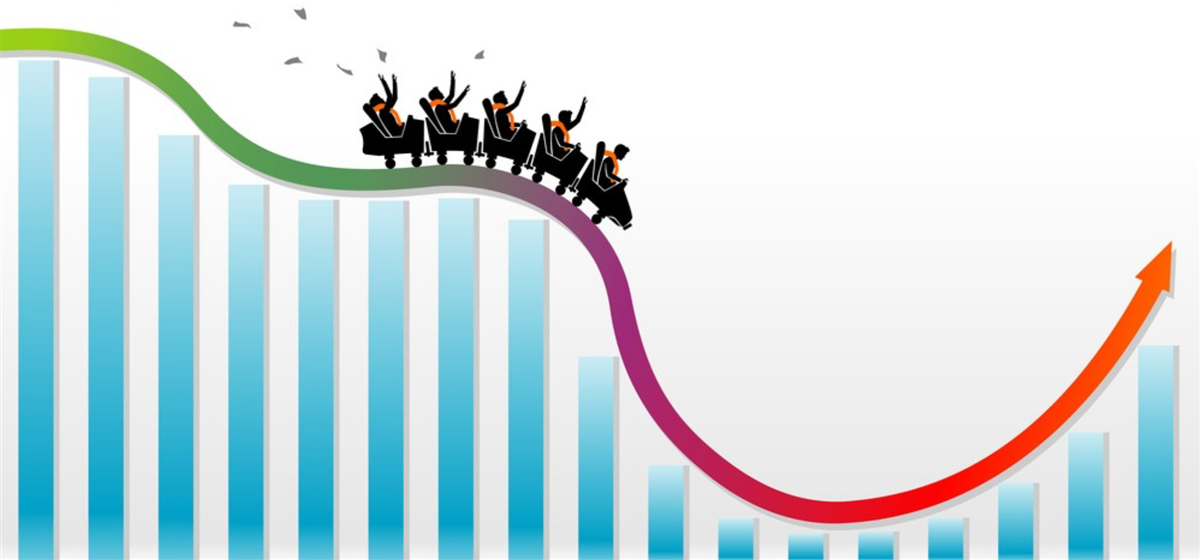
The most widely recognized measure of market volatility is the CBOE Volatility Index (the VIX). Often dubbed the "fear gauge" or "fear index," the VIX reflects investor sentiment and anticipated market turbulence based on S&P 500 index options prices. A high VIX reading, for example, above 25 or 30, generally signals heightened market fear and expectations of significant and rapid price swings. Conversely, a low VIX, often below 15 or 20, suggests more stable and calm prices.
Volatility Exchange-Traded Funds (ETFs) provide investors with exposure to market volatility primarily through VIX futures contracts, not by directly tracking the spot VIX index itself. Here are three volatility ETFs, each benchmarked to the S&P 500 VIX Short-Term Futures Index, to help you navigate a turbulent market: