
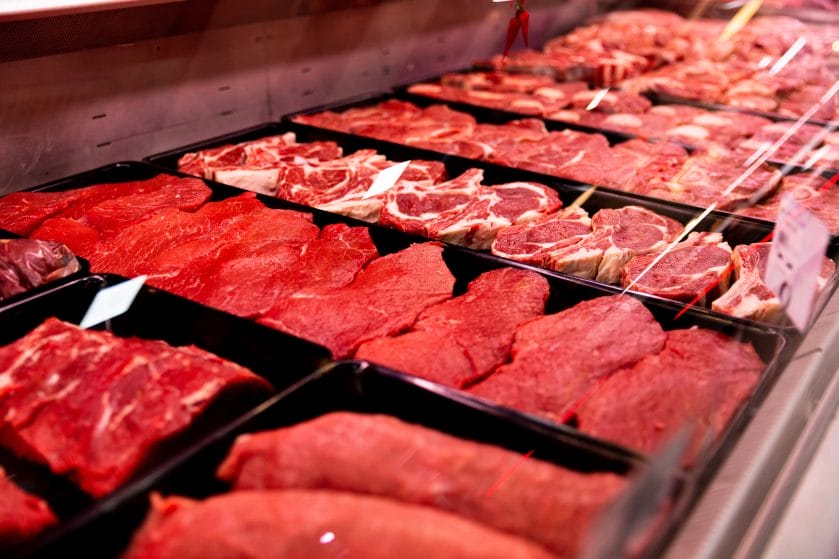
Most shoppers treat grocery shopping as a weekend ritual, squeezing it in between Saturday chores or Sunday meal prepping. While this schedule offers convenience, it is financially disastrous for anyone looking to save money on protein. The meat department operates on a distinct rhythm dictated by delivery schedules, labor allocation, and consumer traffic patterns. By visiting the butcher counter on Saturday or Sunday, you are walking into a perfect storm of high prices, low inventory, and virtually zero markdown potential. To secure the best cuts for the lowest cost, you must break the weekend habit and align your shopping trip with the butcher’s internal clock.
1. The Markdown “Dead Zone”
Butchers and department managers are trained to maximize profit, which means they only apply markdown stickers when necessary. On weekends, foot traffic is at its peak. The store knows that thousands of customers will pass through the aisle, and desperate shoppers will pay full price for whatever is available. Consequently, managers have no incentive to discount aging inventory on a Saturday morning. They know the lunch rush will likely clear the shelf at full retail value. The aggressive “Manager’s Special” stickers—often offering 30% to 50% off—typically appear on Tuesday and Wednesday mornings, when the store is quiet, and the staff needs to clear space for incoming mid-week deliveries. Shopping on the weekend essentially guarantees you pay the highest possible price per pound.
2. The “Leftover” Inventory Problem
Contrary to popular belief, grocery stores do not receive massive fresh meat deliveries on Saturday mornings. Most major shipments arrive mid-week to prepare for the weekend rush. By Sunday afternoon, the steak and ground beef sitting in the case have likely been there since Thursday or Friday. You are paying full price for cuts that have been sitting under fluorescent lights for three days, slowly oxidizing and losing quality. The “fresh” meat you see on Sunday is often just the remnants of the mid-week delivery that nobody else wanted. To get the freshest cuts, you should shop when the truck arrives, which is typically Tuesday or Wednesday for most large chains.
3. The “Convenience Cut” Premium
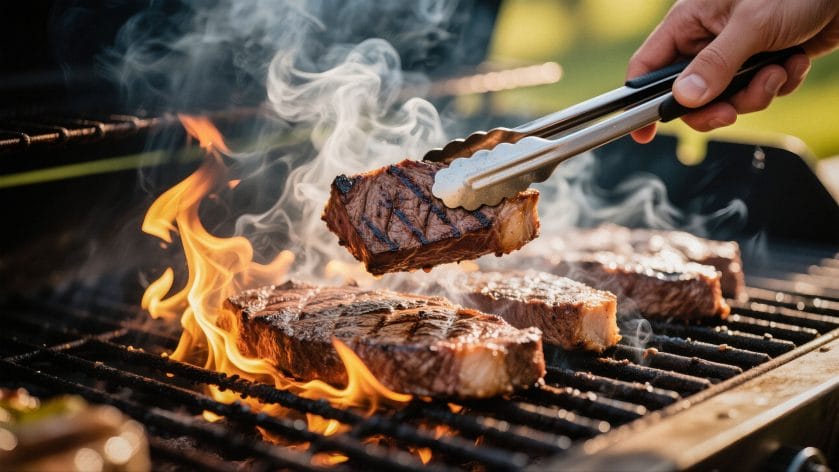
Weekends are when amateur cooks do their grilling and roasting, and retailers capitalize on this by stocking the case with high-margin “convenience cuts.” You will see an abundance of pre-marinated skewers, stuffed chicken breasts, and pre-formed hamburger patties on Saturdays. These items carry a massive markup compared to the raw muscle cuts. A butcher might take a $5-per-pound sirloin, cube it, toss it in a cheap marinade, and sell it as a “kabob” for $12 per pound. On weekends, the case is flooded with these value-added traps because the store knows busy weekend shoppers are willing to pay for the saved prep time. Weekday cases tend to feature more primal cuts and roasts, allowing you to do the work yourself and save the difference.
Reclaiming Value at the Counter
The meat department rewards patience and timing above all else. By shifting your protein purchasing to Tuesday or Wednesday mornings, you bypass the weekend premiums and gain access to the freshest inventory and the deepest discounts. Let the weekend crowds fight over the expensive leftovers while you fill your freezer with high-quality cuts bought at a fraction of the cost.
What to Read Next
Seasonal Meat Prices That Shift Based on Weather and Demand
Meat Prices Are Higher Than Ever Here’s Why!
Meat Department Associates Cite Equipment Breakdowns Slowing Production
Holiday Meat Prices That Change Dramatically Week to Week
Meat Departments Battle Supply Disruptions Affecting Popular Cuts
The post 3 Reasons to Avoid the Meat Aisle on Weekends appeared first on Grocery Coupon Guide.