Get all your news in one place.
100's of premium titles.
One app.
Start reading
Tom’s Guide
Tom’s Guide
Technology
Camilla Sharman

3 essential tips to help your hydrangeas survive a heatwave

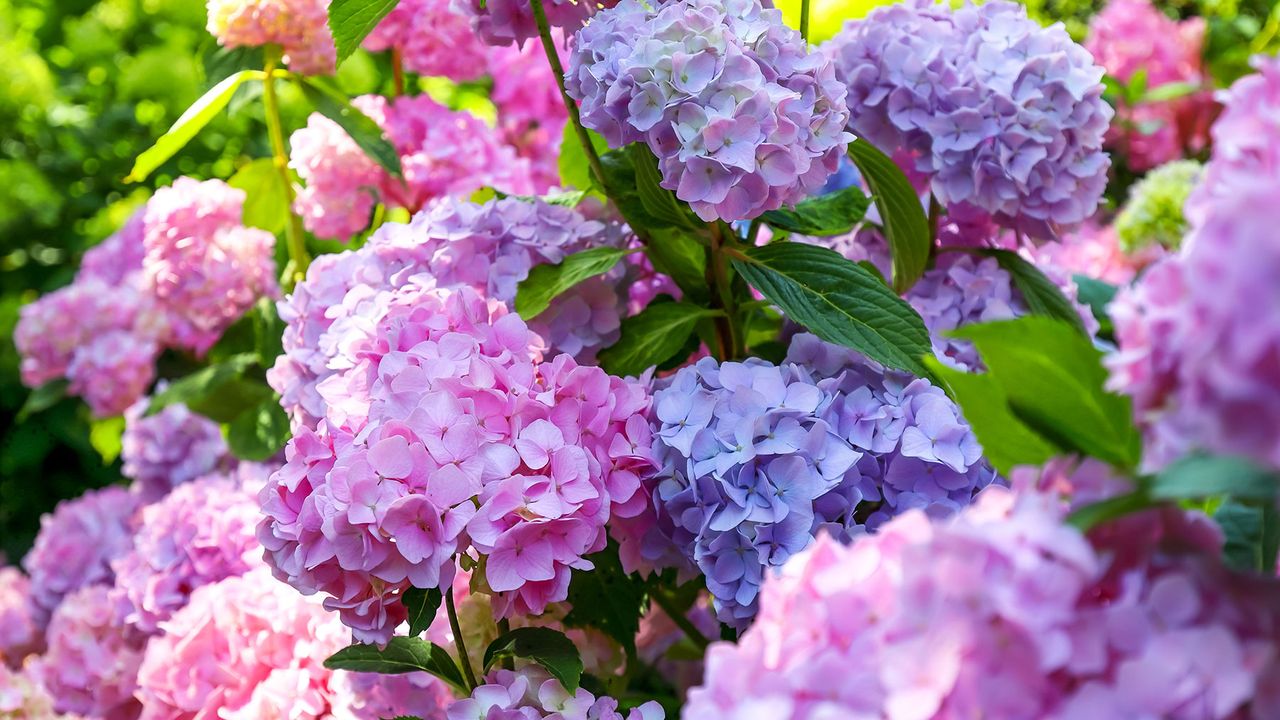
Colorful pink and maeve hydrangeas in bloom.

Hydrangeas are my favorite flower, and I take great pride in having a row of these delicate beauties in my front yard. In fact, they have been known to turn a few of my neighbors’ heads as they walk by.

I usually find them easy to care for, if I water them consistently and prune them when needed, but just right now, they are becoming more of a challenge. As we experience heatwave after heatwave, I’m struggling to keep them from drooping and taking pride of place in my front yard.

But, luckily, keeping your hydrangeas thriving in the heat isn’t complicated. It all comes down to three rules.

1. Water deeply

(Image credit: Shutterstock)

Hydrangeas love water, which means long, hot, dry summers can make it challenging to keep them perky. And the extreme weather can stress and damage the plants. Although burnt leaves won’t recover from the damage, your plant can still survive.

The trick is to water deeply, right down to the roots, rather than merely on the surface, where water evaporates. A soaker hose or watering bag that applies a slow drip around the base of the plant is a good idea. Whereas a general garden hose won’t work quite so well.

Top tip: Newer plants will need more frequent watering than older, established plants that have deeper roots.

2. Water at the right time of day

(Image credit: Shutterstock)

Whether you are watering hydrangeas or any other type of plant, the key is getting the timing right. During a heatwave or any period of hot weather, avoid watering your hydrangeas at the hottest time of day, often midday.

Early-morning watering is the best method. There is plenty of time for the water to be absorbed down to the roots before the sun dries it up and potentially scorches wet leaves.

However, I find this routine quite tough because I’m not up with the lark. So, I swap my watering routine to the early evening, leaving enough time for the plants to dry out before nightfall.

3. Don't overwater

(Image credit: Shutterstock)

Be mindful not to overwater your hydrangeas, as excess water can lead to root rot and fungal diseases. A good plan is to use a soil moisture meter before watering to make sure you’re not giving your hydrangeas too much or too little water.

Alternatively, you can place a finger two inches into the soil. If it feels dry, your plant needs a deep watering. Then return to your plant later in the day or the next morning if you watered it in the evening, and see if the plant remains wilted. If so, it needs another drink.

Top tip: If your hydrangeas grow in pots, they will need more watering, as the soil will dry out more quickly than those planted in the ground.

Gardening watering essentials we love

More from Tom's Guide

HOBYLUBY Rain Gauge Outdoor, 7" Qilebi 2 Gallon Watering Can Flexi Hose Expandable Garden Hose with 8 Function Nozzle, 50ft Gardena Aquazoom Oscillating Outdoor Sprinkler, up to 3800 sq ft
Sign up to read this article
Read news from 100's of titles, curated specifically for you.
Already a member? Sign in here
Related Stories
Top stories on inkl right now
One subscription that gives you access to news from hundreds of sites
Already a member? Sign in here
Our Picks
Fourteen days free
Download the app
One app. One membership.
100+ trusted global sources.