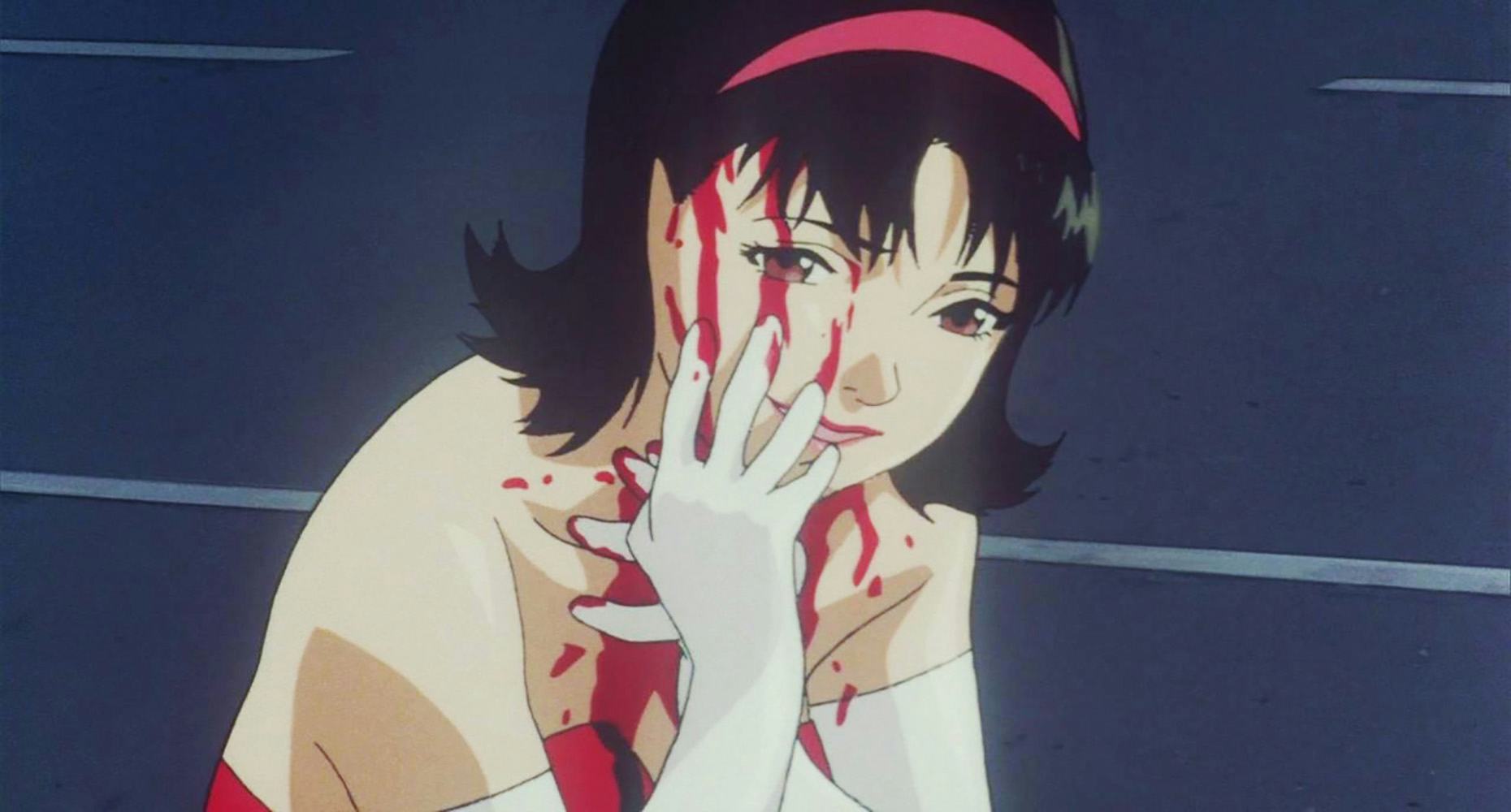
When Nina Sayers (Natalie Portman) breathlessly whispers, “It was perfect,” in the final moments of Black Swan, it feels as much like a comment on her performance in Swan Lake as it does about the film itself. So much ink has been spilled about this film (especially by yours truly), lauding Daren Aronofsky for this shockingly flawless horror story. Such perfection came at a cost, of course, but Aronofsky wasn’t the one who paid for it. On the contrary, he stole it, lifting themes and imagery from director Satoshi Kon and his animated fever dream Perfect Blue. The premises of these two films are subtly different: Perfect Blue follows Mima — a B-list J-pop idol striving to shed her “good girl” image with a serious transition to film, whose psyche and self-image are fractured after encounters with a stalker-fan — not an obsessed ballerina. But Kon’s influence is all over Black Swan, and before that, the psychological horror stories that dominated the 2000s.
Regarded by many as the most undersung anime filmmaker in history, Kon is nevertheless an essential voice in both animation and horror. His four films are all the rage in an “if you know, you know” sort of way, even decades after their release. That cult status was hard won, and remains a point of contention for fans of his work. Perfect Blue has steadily crept out of obscurity in the years since its initial release — but with a new 4K remaster of the film on the way, it finally has the chance to stand on its own as an essential entry in animated horror.