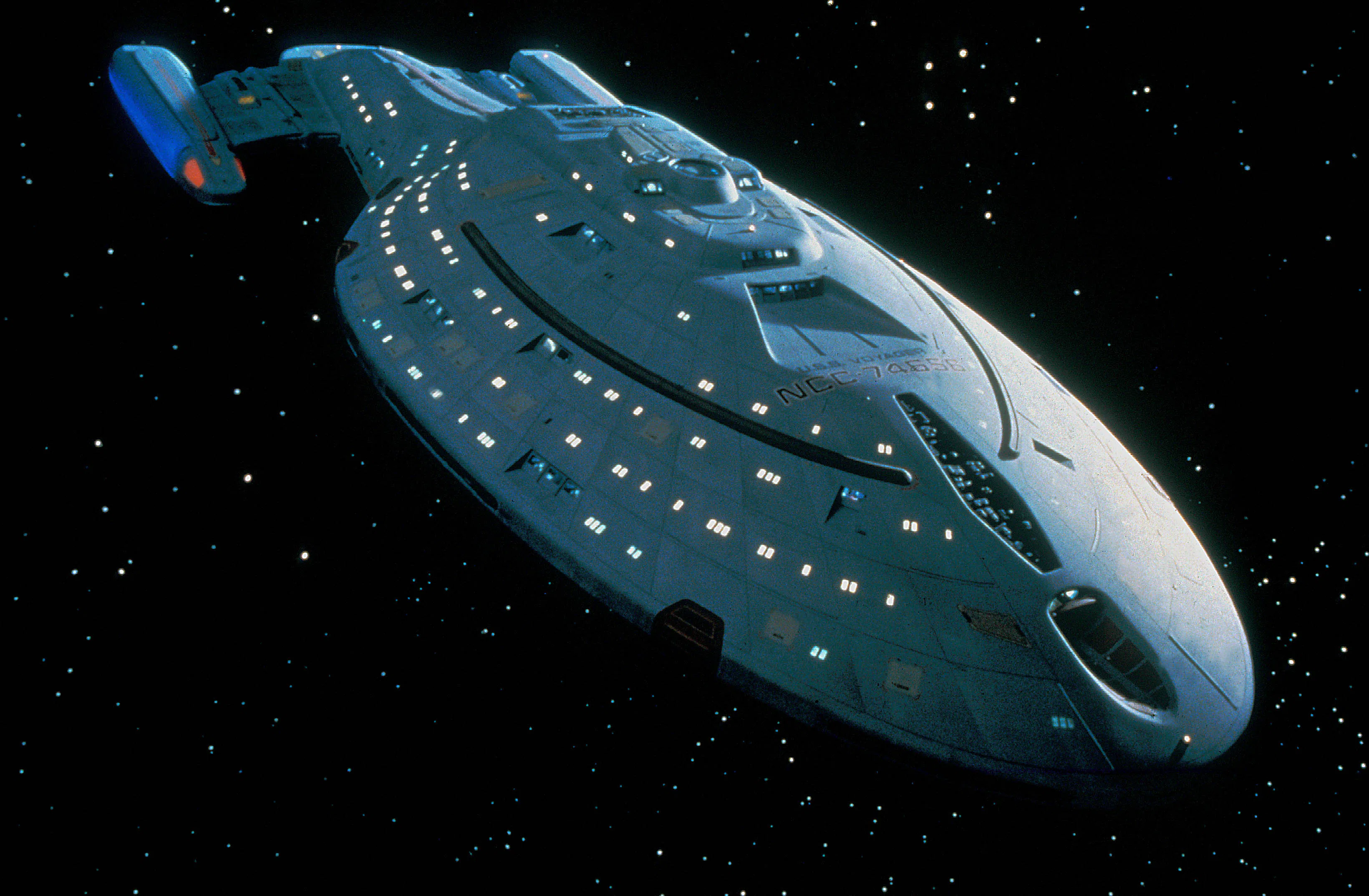
Debating which Star Trek series is best is one of those geeky arguments that will never get old. Considering there are essentially only three major creative eras of TV Star Trek, figuring out which sort of mood each series will deliver upon rewatch is somewhat easier. When selecting your TV Star Trek era, before getting into the minutiae of creative changes season-to-season, you’ve basically got the 1960s and 1970s (The Original Series and The Animated Series), the 1987-2005 (the massive Next Generation, Deep Space Nine, Voyager and Enterprise era) and the contemporary streaming shows which began with Discovery in 2017 and will seemingly end in 2027 with Starfleet Acadmey and Strange New Worlds. But, in terms of ongoing impact on TV sci-fi today, an incredible amount of episodes, and impressive longevity, the “90s” era of Star Trek — the 18 years of four different TV shows produced nearly continuously — contains, arguably, the majority of Trek that fans today still care about most deeply. And among all of that, the franchise has, overall, its two best series finales. The gold standard is, of course, “All Good Things...” the 1994 finale of The Next Generation. But, coming in a very close second is Voyager’s “Engame.”
25 years after it aired on May 23, 2001, “Endgame” still feels like a surprisingly solid series finale, even if some of it is riffing on ideas from “All Good Things...” Here’s why it remains utterly rewatchable, and why its canon implications still matter in the complex timeline of Trek today. Mild spoilers ahead.