Get all your news in one place.
100's of premium titles.
One app.
Start reading
The Economic Times
The Economic Times

20,000 Indian seafarers caught in Gulf tensions; Mariners' body raises alarm

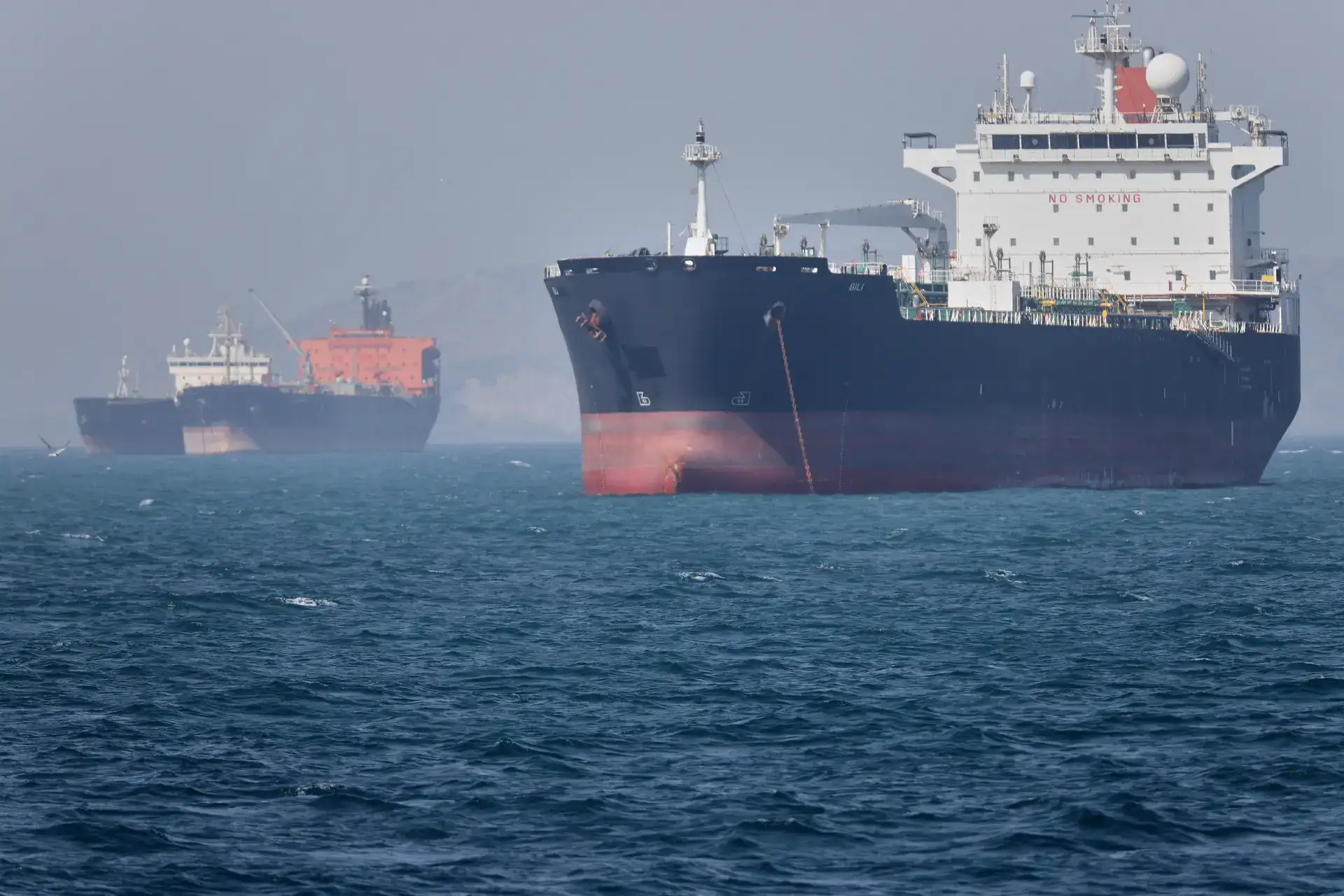
Over 20,000 Indian seafarers are staring at a humanitarian nightmare in the Gulf and Strait of Hormuz amid escalating tensions, with fears of conflict spillover trapping vessels and leaving crews stranded without food, medicine or escape routes, said National Union of Seafarers of India (NUSI), one of the country's oldest maritime unions. The body has urged the government to treat the crisis as a "national priority and activate urgent evacuation protocols".

The situation involving more than 20,000 Indian seafarers in the region remains dynamic, with crew movements changing daily depending on vessel schedules, port restrictions, flag states and security advisories.
Seafarers operating in and around the Gulf now face missile and drone threats, operational restrictions and security advisories that have turned routine voyages through the technically open Strait of Hormuz into high-risk journeys marked by constant anxiety, heightened bridge alerts, disrupted sleep and mounting mental fatigue. "There is growing panic among seafarers and their families. We are constantly receiving calls from worried relatives asking if their family members will safely return home," Milind Kandalgaonkar, general secretary-cum-treasurer of NUSI, told TOI on Saturday. Across regions that contribute significantly to India's maritime workforce, families are tracking news alerts, ship movements and conflict updates.

Many Indian seafarers work aboard foreign-flagged vessels where responsibility is fragmented between shipowners, insurers, flag states and local authorities, according to Kandalgaonkar.

Unlike military personnel, merchant navy crews are civilian workers keeping global trade functional despite limited protection. "These seafarers serve global trade and India's economic security under extremely difficult conditions and deserve urgent protection," said Kandalgaonkar, who spent nearly two decades at sea. "Today's threats-missiles, drones, cyber disruptions, sanctions, insurance complications and operational restrictions-are all interacting simultaneously." NUSI has activated its emergency support initiative, 'NUSI Sahara', to respond to distress calls on safety, mental stress, repatriation, wages, abandonment and communication with authorities.

India has already stepped up naval deployment with Operation Urja Suraksha, aimed at monitoring and protecting Indian maritime interests in high-risk waters.

(With inputs from TOI)

Sign up to read this article
Read news from 100's of titles, curated specifically for you.
Already a member? Sign in here
Related Stories
Top stories on inkl right now
One subscription that gives you access to news from hundreds of sites
Already a member? Sign in here
Our Picks
Fourteen days free
Download the app
One app. One membership.
100+ trusted global sources.