
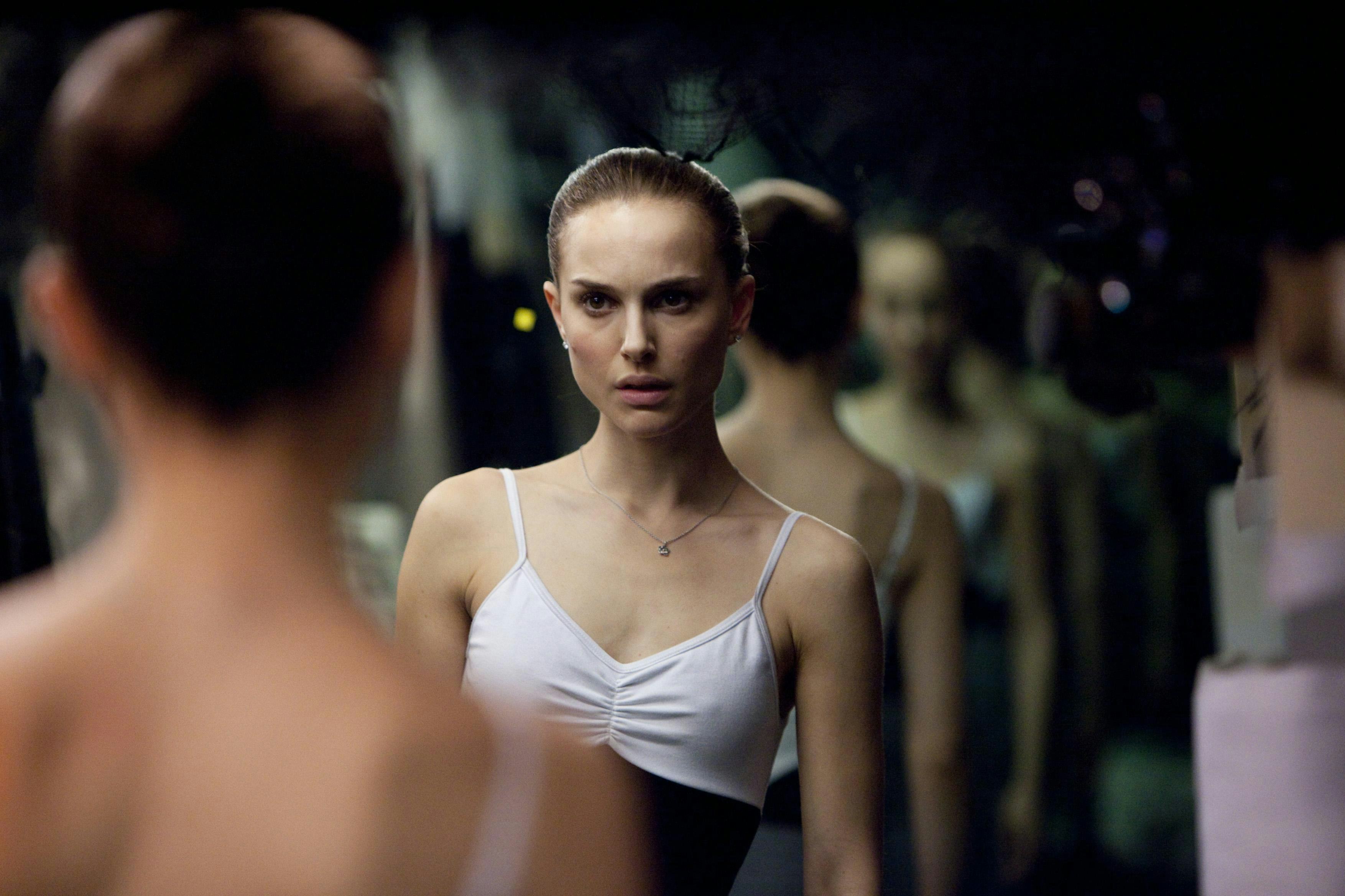
Some films feel as though they’ve always been classics, embedded in the fabric of pop culture so fully that it’s hard to tell when its relevance even began. It’s like that for Black Swan, at once a timeless psychological horror and a defining entry in 2010s horror. The film by Darren Aronofsky owes plenty to films that came before, from its most obvious influence, Perfect Blue, to all-time classics like The Red Shoes. It’s also not unlike The Piano Teacher or Possession, two essential records on female mania. But don’t assume that reverence makes it derivative: Black Swan has more than taken on a life of its own since. Fifteen years removed from its initial release, it’s now a classic in its own right.
A brilliant post-modern meditation on paranoia, Black Swan has become a foundational text for female-centered horror... and a crushingly relatable one, despite the lengths it goes to depict it. Few know what a psychotic break truly feels like, but nevertheless find a kind of kinship with Natalie Portman’s doomed ballerina, Nina Sayers. Black Swan is about more than the ambition that unravels her psyche like a spool of pink ribbon, and it’s more than a tale of obsessive artistry. Those themes are just the springboard for a truly gonzo psychological break; the fact that Black Swan refuses to stop there is what separates it so fully from its contemporaries.