
“Is art inherently political?” It’s a question that, despite the intensity of the internet discourse cycle, has existed in some form or fashion for years, across every medium and throughout some of the most tumultuous periods in human society. Nowadays, it’s a question that incites heated debate online considering the way our contemporary culture war has consumed every nugget of the entertainment space, from Star Wars' first Black lead to conversations about diversity in gaming. Movies, literature, comic books, video games, everything has become a battleground for a perpetual ownership war between the political left and right, with some folks watching from the sidelines clinging to the idea that great art shouldn’t be politicized.
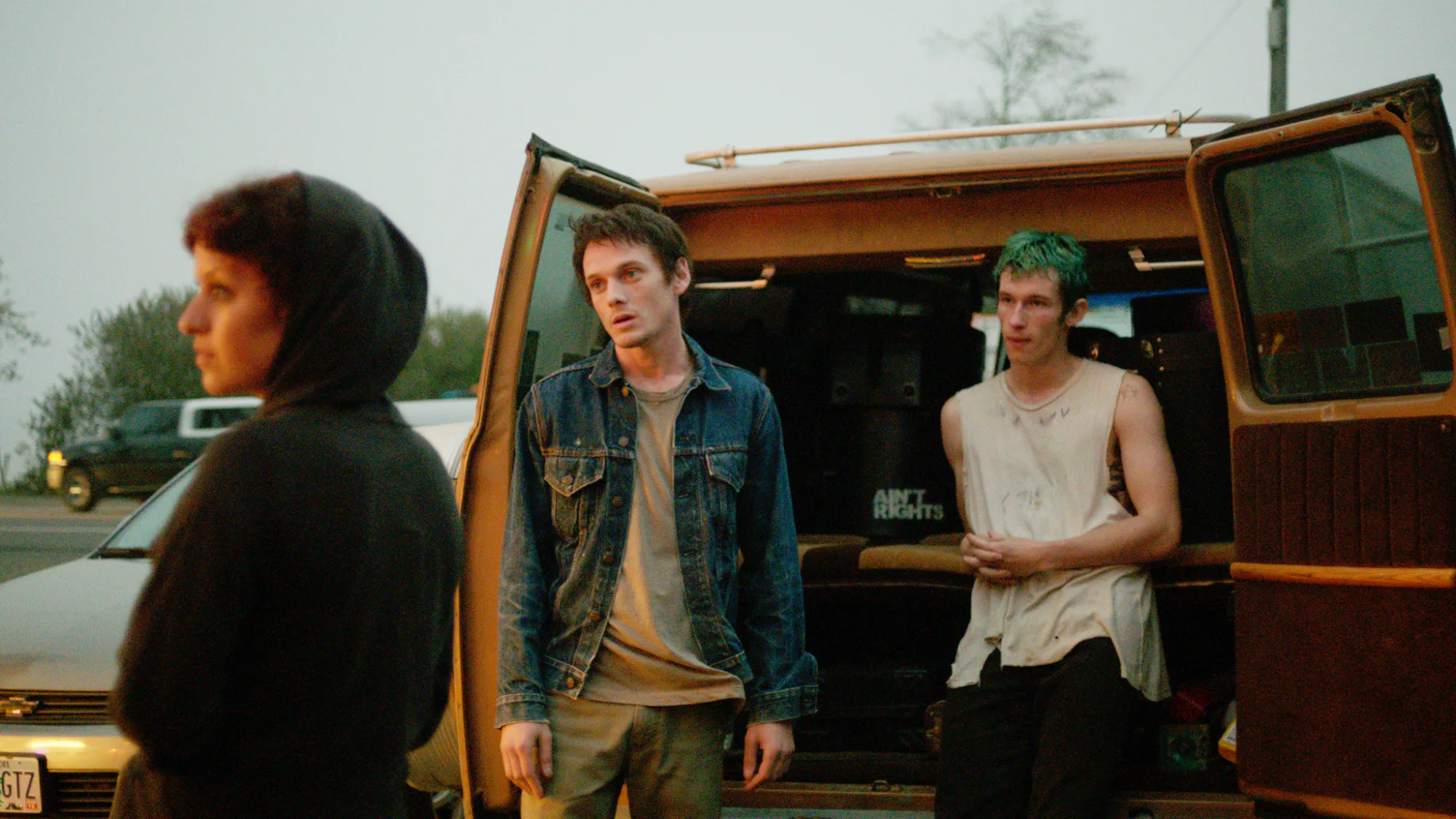
Artists themselves have had to wrestle with this question for years, with strong opinions across the board on both sides. For every artist who feels compelled to share their beliefs with the world there are just as many who choose to stay silent, out of fear of retaliation or alienating potential audiences. Although it might be more hyper-visible, today’s culture war isn’t all that dissimilar from an earlier one, one that was fought over the soul of one of our greatest musical genres — and 2015’s head-banging, pulse-pounding Green Room literalizes that struggle in a brutal way.




