Get all your news in one place.
100's of premium titles.
One app.
Start reading
Inverse
Inverse
Entertainment
Ryan Britt

10 Years Later, One Underdog Streaming Service Is Poised To Be The Biggest In The World

Paramount+

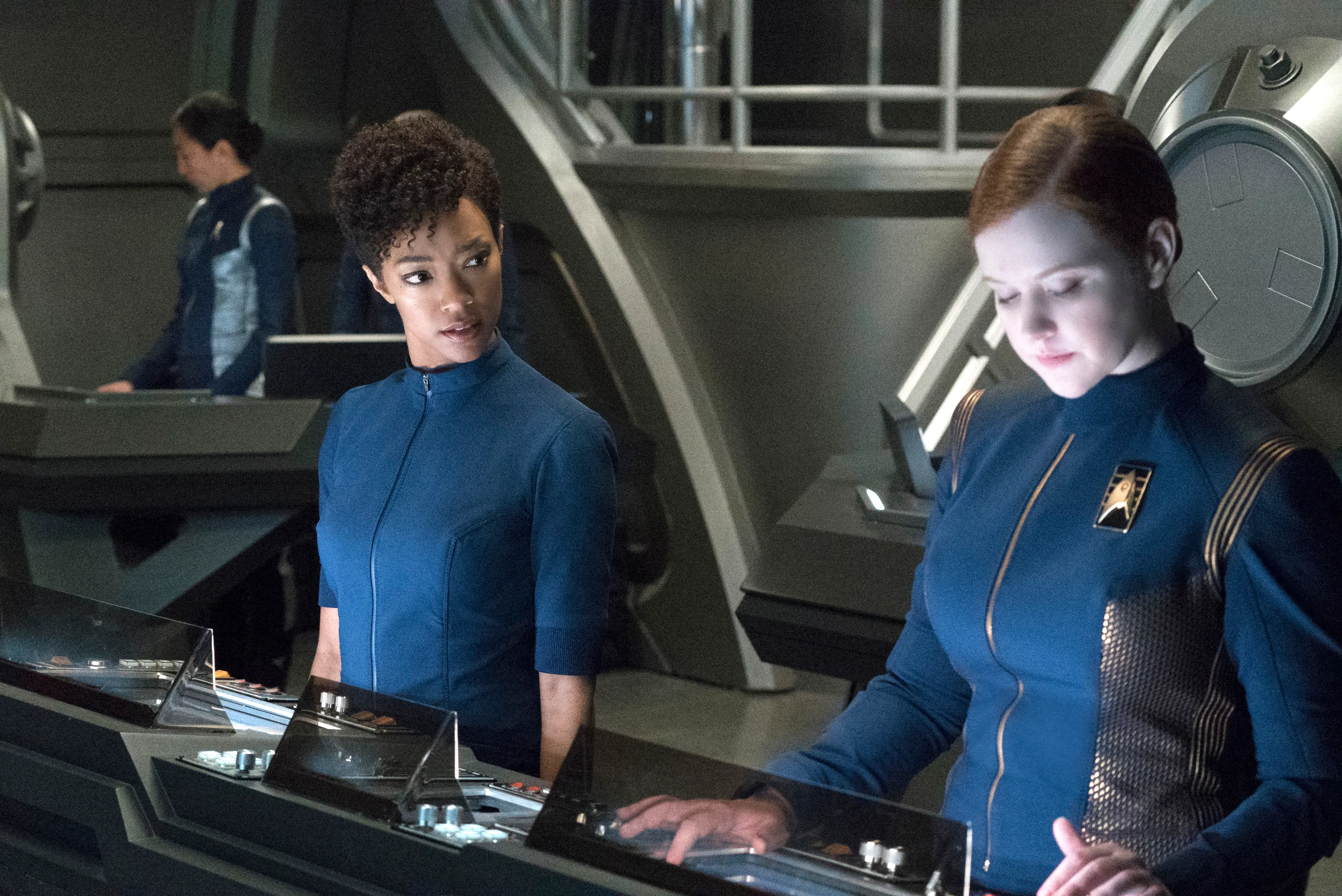
In 2017, when Star Trek: Discovery launched its debut episodes on the network CBS, but streamed the rest of its series on the then-burgeoning subscription service, CBS All Access, half of the discourse around the show was hyper-focused on whether or not viewers would be willing to pay a subscription to watch it. This is hard to remember, but the dawn of streaming originals didn’t happen until 2012, when House of Cards hit Netflix, meaning the transformation of how people watch 21st-century TV is less than two decades old. And, less than 10 years ago, most bets were not on CBS All Access to become the dominant streaming platform of the future. And yet, a few mergers later, and here we are: When the impending Paramount and Warner Bros. deal is finalized, the most obvious change that the average viewer can expect is simple: Paramount+ and HBO Max will almost certainly be combined or, at the very least, bundled in the same way Hulu and Disney+ are today.

As confirmed by Deadline on June 12, the Justice Department has approved Paramount’s purchase of Warner Brothers Discovery, which is expected to result in a massive merger of the two studios. Not since Disney merged with 20th Century Fox in 2019 has there been a consolidation of entertainment power of this size.

Will Paramount+ and HBO Max be the biggest thing ever? | Cheng Xin/Getty Images

Assuming this deal goes through, one somewhat obvious question for the average viewer is simple: Will Paramount+ and HBO Max simply become one big, massive streamer? According to most pundits, including analysis and reporting from Collider on June 11, “executives [at both Paramount and Warner Bros.] have made it clear that they don’t intend to keep Paramount+ and HBO Max operating separately forever.” In fact, as Collider and other sources have pointed out, a plan exists to combine the two services, which would instantly create a shared service with 200 million subscribers and a massive media library.

Considering CBS All Access was only rebranded as Paramount+ five years ago in 2021, it’s worth remembering that another, somewhat significant merger is even the reason P+ exists at all. When Viacom and CBS remerged in 2021, after having been separated in 2005, certain IPs (most notably Star Trek) were back under one roof again. This is why shows like Star Trek: Discovery, Star Trek: Picard, and even Star Trek: Lower Decks were all CBS All Access shows through 2020, and then in 2021, became Paramount+ shows.

Star Trek is an interesting microcosm of these kinds of mergers because, since 2005, feature film ventures and TV ventures have been somewhat separated, and, prior to 2020, those separations existed because of legalities, and more recently, production logistics. Under the newest merger, the future of Star Trek is utterly unclear, but, theoretically, Superman could meet the Enterprise in some kind of crossover film or TV show. But the more likely immediate outcome is that these franchises will sit next to each other on the same massive streaming service, sort of like in the 1990s when HBO was a cable channel that played all the most popular movies well after those films left theaters.

HBO Max was launched in 2020, and many assumed it wouldn’t last. Other than comical name changes, the streamer is poised to be bigger than ever. | SOPA Images/LightRocket/Getty Images

The business ethics of this nearly-completed merger are, of course, a huge part of the conversation. From an ideological perspective, having a Borg-like mega-studio like this isn’t ideal. And yet, this isn’t too different, at least from a consumer point of view, as when 20th Century Fox merged with Disney. Again, perhaps not the most ideal situation in the world, but again, that seemed monumental in 2019, and is now taken for granted.

If the average consumer has a massive cable-esque combination streaming service of Paramount+ and HBO Max in the next few years, few will be debating the ethics of the situation. Nor will anyone remember that HBO Max was predicted to fail when it launched, while the original version of Paramount+, CBS All Access, struggled to prove its relevance in the face of Netflix. Instead, the only real hurdle in the mainstream when it comes to this new mega-streaming service is simple: How much will it cost?

Sign up to read this article
Read news from 100's of titles, curated specifically for you.
Already a member? Sign in here
Related Stories
Top stories on inkl right now
Our Picks
Fourteen days free
Download the app
One app. One membership.
100+ trusted global sources.