
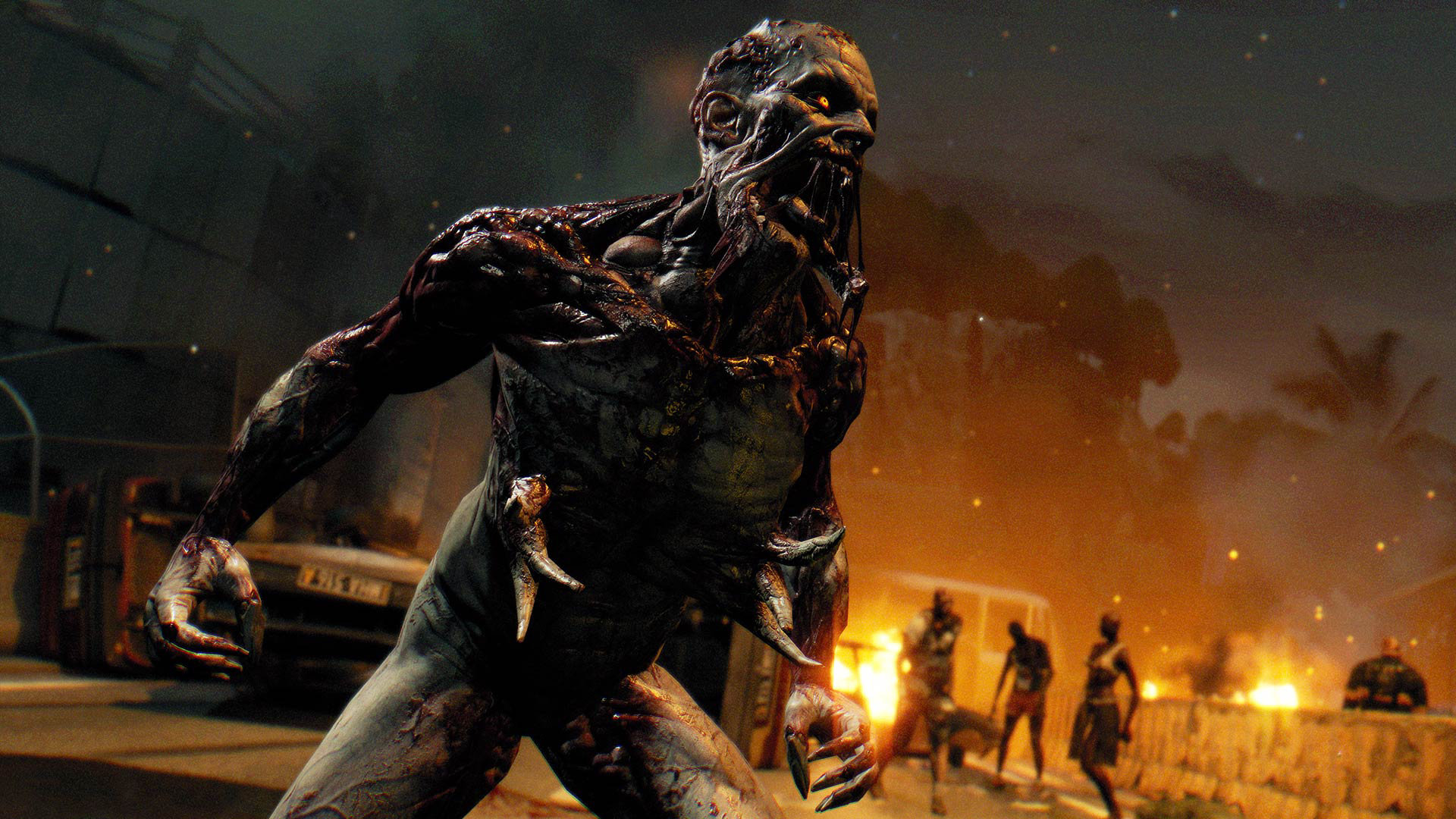
A digital watch has never been more threatening than in 2015's Dying Light. Picture it: you're crouched on a rooftop after losing track of time, and the staccato alarm emanating from Kyle Crane's wrist feels like a chastisement. Pained howls pierce the darkened sky. Nightfall is here. You are out of options, out of time, and out of daylight. The fear is paralysing – and that's the whole point.
Dying Light's harnessing of player psychology is part of what cements it as one of the best horror games of all time. Like Pavlov's dog, upon hearing those sharp digital beeps, the player is obediently trained to break out in a cold, dreadful sweat. The watch is a harbinger of doom, alerting us to the fact that you do not want to be caught out on the streets of Harran at night. Immediately, it's fight or flight: do I stay put and finish my mission, or run for the nearest pool of UV light? It's still an underused feature in horror games in 2025, but looking back a decade later, Dying Light's day and night cycle truly is the crux of what makes it the stuff of nightmares.













