
Get all your news in one place.
100's of premium titles.
One app.
Start reading
LiveScience
LiveScience
Emily Cooke

10 unexpected ways Neanderthal DNA affects our health

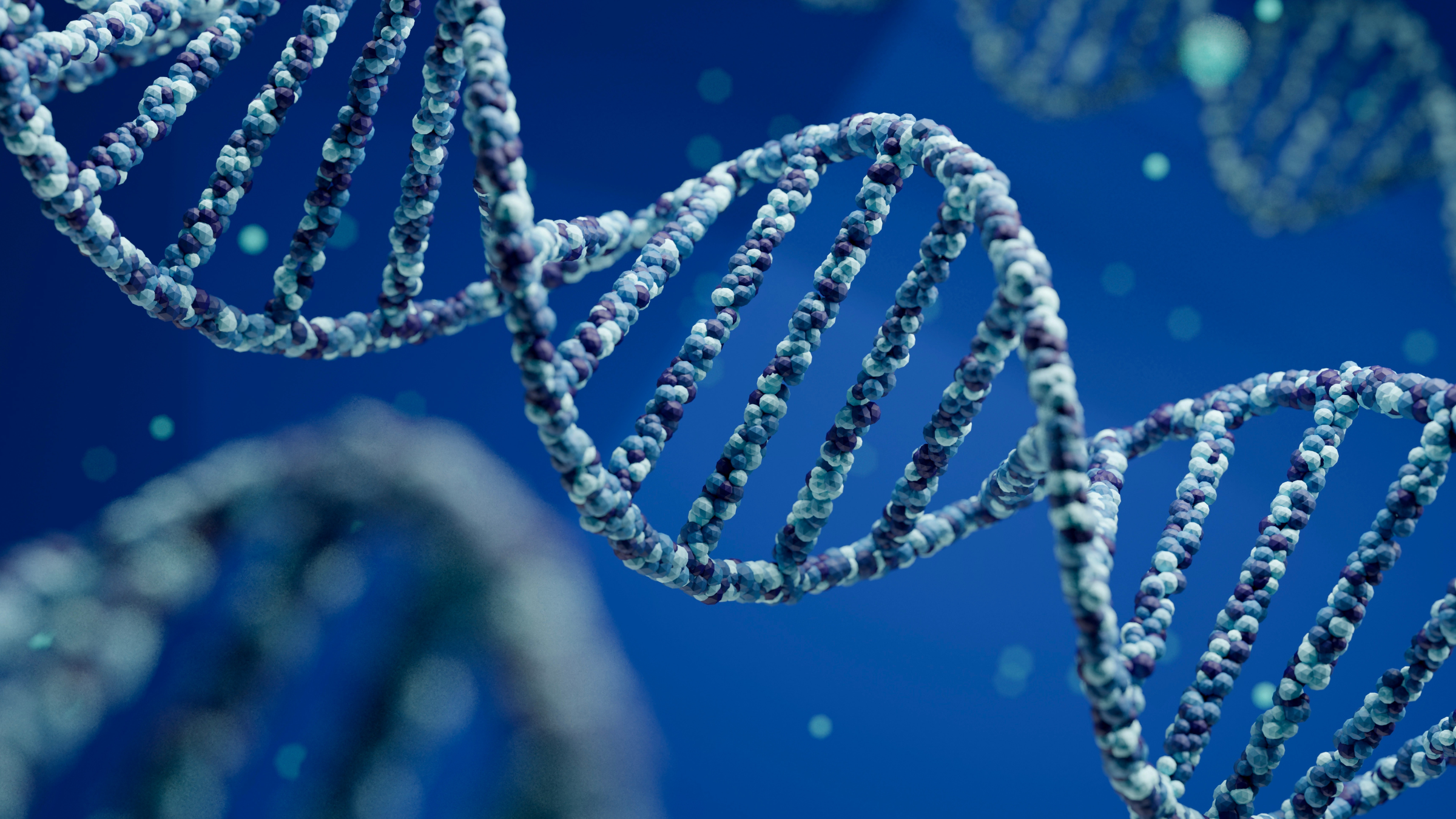
Illustration of a DNA double helix against a blue background. Two other helices can be seen blurred in the background.

As far back as 250,000 years ago, the ancestors of most modern people in Europe and Asia left Africa and journeyed toward the colder northern terrain of Eurasia. There, they encountered our closest, now-extinct human relatives — the Neanderthals. Over thousands of years, these groups mated and exchanged DNA. 

Today, we can still see the genetic legacy of these interbreeding events: approximately 2% of the genomes of people outside of Africa comes from Neanderthals. 

Sign up to read this article
Read news from 100's of titles, curated specifically for you.
Already a member? Sign in here
Related Stories
Top stories on inkl right now
One subscription that gives you access to news from hundreds of sites
Already a member? Sign in here
Our Picks
Fourteen days free
Download the app
One app. One membership.
100+ trusted global sources.







