Get all your news in one place.
100’s of premium titles.
One app.
Start reading
International Business Times UK
Aiza Moraña

10 Photos of Ellie Aghayeva - The Columbia Student Arrested by DHS Agents in Shock Campus Raid

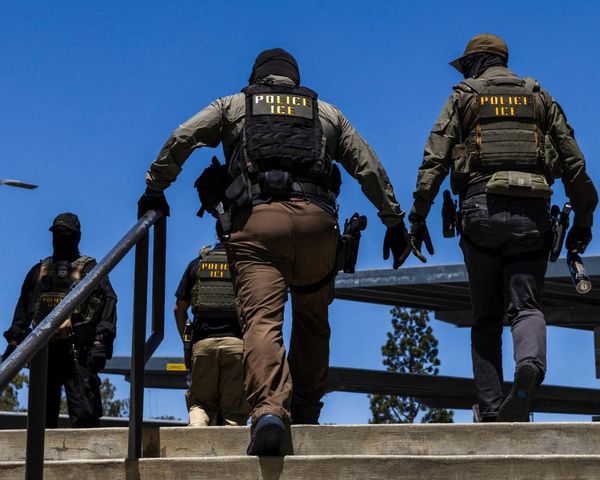
A dawn operation at one of America's leading Ivy League campuses has ignited fresh debate over the reach of federal immigration enforcement, after Homeland Security officers entered a university‑owned residence on 26 February to detain an international student. What began as a quiet apprehension quickly spilled into public view when the student documented her detention on social media.

Ellie Aghayeva, a senior neuroscience researcher at Columbia University, posted from inside a government transport vehicle, and her arrest has already triggered a rapid administrative overhaul of how immigration officials can access the institution's facilities.

How Alleged Deception Bypassed Campus Security

Exactly how federal agents gained entry to the residence remains contested. Columbia president Claire Shipman confirmed that the raid took place at around 6.30am and said officers had reportedly gained access by claiming they were looking for a 'missing person'.

According to the university's account, that specific ruse enabled the agents to circumvent stringent visitor protocols in the Manhattan campus housing. The Department of Homeland Security (DHS) has rejected that characterisation, stating that 'the building manager and her roommate let officers into the apartment'.

By about 10am EST, Aghayeva shared a brief but alarming Instagram Story. The post showed a photograph of her inside a car and alleged that she had been 'illegally arrested'. Her caption, addressed to followers, read simply: 'Please help.'

Why an Alleged 2016 Visa Violation Triggered the Operation

Why A 2016 Visa Issue Sparked A Raid

The stated basis for the campus operation centres on a long‑running immigration issue. Federal authorities contend that Aghayeva lost her legal right to remain in the United States several years ago. DHS said her student visa expired in 2016 'for failing to attend classes'.

Student newspaper The Columbia Spectator officially identified Aghayeva and confirmed that she lived in university‑managed housing, also verifying her status as an international student.

Federal officials noted that the undergraduate is originally from Azerbaijan. Despite the government's claims about her academic attendance, her LinkedIn profile describes her as a current senior who is actively researching neuroscience.

The Digital Influence of a Prominent Neuroscience Creator

The fallout from the arrest was amplified by Aghayeva's digital presence. In addition to her studies, she has built a substantial audience as a content creator, with more than 100,000 followers across Instagram and TikTok.

Her biography indicates that her posts blend academic themes with lifestyle material, covering neuroscience, productivity and day‑to‑day life in New York City.

Before the federal intervention, her recent updates largely showcased the picturesque side of her routine as an ambitious student in the city, rather than any involvement in immigration disputes.

New Judicial Warrant Rules For Federal Agents

Public scrutiny of the incident pushed Columbia to move quickly on new safeguards. University officials announced a firm policy change dictating how federal agents may operate on campus, aimed at preventing any repeat of alleged deceptive entry tactics.

Under the updated guidelines, officers must now present a judicial warrant or a formal subpoena to gain access to non‑public areas of the university. In a statement, Columbia made clear that an administrative warrant will no longer be sufficient.

The raid is the second major detention of a foreign student associated with the institution. In March 2025, Algerian Palestinian student Mahmoud Khalil was also apprehended by federal agents.

Unexpected detentions can carry significant financial consequences for students. Securing an immigration lawyer for emergency deportation defence typically requires an initial retainer of at least $4,000, a cost that can derail academic plans.

For now, Aghayeva's future remains unclear. Her case is being closely watched by the wider academic community, while national media and legal observers continue to press authorities for further details on both the operation and the visa allegations.

Sign up to read this article
Read news from 100’s of titles, curated specifically for you.
Already a member? Sign in here
Related Stories
Top stories on inkl right now
One subscription that gives you access to news from hundreds of sites
Already a member? Sign in here
Our Picks
Fourteen days free
Download the app
One app. One membership.
100+ trusted global sources.