The grocery store often presents a false choice between a budget-friendly option and a high-end, premium version. However, many expensive items rely on sophisticated marketing and aesthetic packaging to justify their inflated price. The high cost is often paying for a logo, a backstory, or a trendy design. It is not funding superior core ingredients. Recognizing these common psychological traps allows shoppers to prioritize factual value over brand perception.
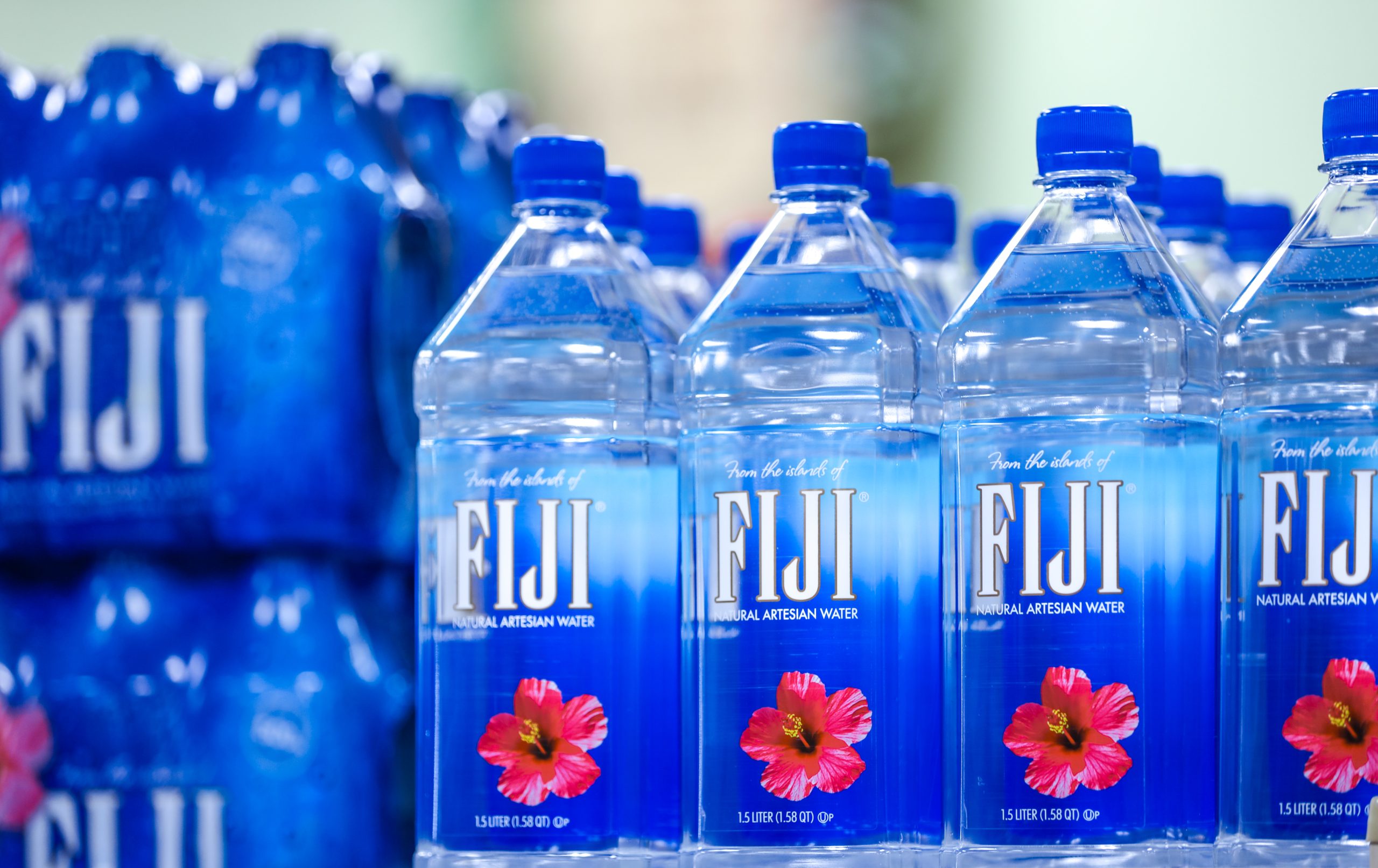

1. Gourmet Bottled Water
Bottled water carries one of the highest markups in the grocery store. This is especially true for water marketed with exotic sourcing stories or special filtration claims. The price is based on the aesthetic appeal of the bottle and the narrative of purity. For most consumers, the water is not better regulated or safer than tap water.
2. Specialty Himalayan Salt
Pink Himalayan salt is significantly more expensive than regular table salt. Its high price is primarily due to powerful marketing and its distinctive pink hue. Scientific analysis shows the trace minerals that give it color offer no measurable health benefit. You pay a substantial premium for its aesthetic appeal on social media.
3. Brand Name OTC Medicine
Over-the-counter medications are a classic marketing trap. Brand-name pain relievers are chemically identical to generic store-brand versions. The FDA requires the active ingredients and dosages to be bioequivalent. Paying extra funds for the brand’s commercials and packaging. It does not fund a better or more effective medicine.
4. Pre-Cut Fruit and Vegetables
Any produce that has been sliced, diced, or chopped carries a massive convenience markup. Pre-cut fruit and vegetables can cost up to three times more per pound than buying the whole produce item. This high cost pays for the labor and packaging. It is a convenience tax that quickly drains the budget.
5. Single-Serve Coffee Pods
Coffee pods represent a high markup in the beverage aisle. The convenience of a single-serve system costs substantially more per pound of coffee than brewing grounds from a bulk bag. This price difference funds the packaging and the technology required to capsule the product. You pay a huge premium for the speed of preparation.
6. Aesthetic Tea Bags

Some high-end tea bags are sold at a premium due to their unique mesh or pyramid shape. This design is marketed as allowing the tea leaves to expand fully for a better brew. However, the price difference is substantial compared to standard paper bags. The extra cost is largely driven by the packaging design.
7. Artisan Bread
Small-batch or artisan breads often carry a high price based on the illusion of hand-crafted value. While the process may be labor-intensive, the markup can be extreme. Shoppers often assume the price guarantees superior ingredients or freshness. However, similar quality and ingredients can often be found in the store’s regular bakery section.
8. “Natural” Label Price Hikes
Products labeled as “All Natural” or “No Artificial Colors” often carry an inflated price tag. This is particularly true for foods that are already naturally free of those additives. The label is used as a psychological tool to signal superior value. This subtle marketing trick encourages customers to overpay for a product that is not functionally different.
9. Gourmet Canned Seafood
Small, high-end tins of imported seafood, such as gourmet sardines or smoked oysters, carry an extreme markup. The price is driven by specialized packaging, import costs, and the aesthetic appeal of the tin. This makes the product look exclusive. You pay a high price for the presentation rather than the core protein.
10. Pre-Shredded Cheese
Pre-shredded cheese is a hidden tax on convenience in the dairy aisle. Shredding your own cheese from a block costs significantly less per pound. The pre-shredded variety costs more and often contains anti-caking agents. These additives compromise the melt quality of the cheese.
Shop Smarter, Not Flashier
The grocery store is full of products designed to make you believe that higher cost equals higher quality. Yet, as these examples show, much of the markup comes from packaging, branding, and convenience—not from superior ingredients or better health benefits. By recognizing these marketing tactics, shoppers can avoid unnecessary spending and focus on true value. Choosing generics, whole produce, and bulk staples often delivers the same quality at a fraction of the price. In the end, smart shopping isn’t about chasing the most “premium” label—it’s about cutting through the illusion and keeping more money in your pocket.
What to Read Next
- 10 Shopper Behaviors That Reveal You’ve Been Trained by Marketing
- 8 Expiration Dates That Are Just Marketing Tricks
- 7 Red Flags That a Rebate Offer Might Be a Marketing Trap
- 9 Grocery Items You Thought Were Healthy But Are Actually Just Clever Marketing
- Are Companies Marketing Snacks for Kids Slowly Poisoning Them?
The post 10 Grocery Items That Are Only Expensive Because of Marketing appeared first on Grocery Coupon Guide.