Nearly a decade after a gunman killed 49 people at Orlando’s Pulse nightclub, the building is being demolished Wednesday to make way for a permanent memorial.
Around 9 a.m. Wednesday, a large crane began tearing down the building along South Orange Avenue, a site long used to remember the 2016 tragedy at the LGBTQ nightclub. TLocal news stations broadcast the teardown live, months after city crews began carefully removing items from the building to preserve them. The iconic Pulse sign was removed last week and will be stored in an undisclosed location for possible use in the memorial during construction, Spectrum News reports.
On Tuesday night, some residents visited the site one last time to pay their respects before it is transformed into a roughly $12 million permanent memorial, featuring a water wall, fountain, seating area and the names of all 49 victims.
“I’ve seen people crying out here sometimes, and I just think it’s the last piece of the people they lost,” Lillian Shea, who was 13 years old at the time of the shooting, told Click Orlando about the significance of the site.
Cesar Rodriguez, a survivor of the Pulse shooting and now a member of the memorial committee, reflected on the tragic night one final time Tuesday before the building’s demolition.
"It was, you know, horrific,” Rodriguez told WESH. “It's something you cannot forget. But I feel more emotional every time I'm in front of the building.”
Despite the difficulty of returning to the site, Rodriguez said he planned to witness the demolition in person, showing his commitment to honoring the memory of the victims and participating in the final chapter of the site’s history.
"In my case, for me it's something I've been wishing a lot, too. That building to disappear," he told the outlet. "Because for us, the people that were trapped in there, it's something we want to erase, and we don't want to remember. We don't want to see anymore. We need to see something better. Something that help us, help people to forget everything.”
Around 320 people were inside the Pulse nightclub on June 12, 2016, when Omar Mateen, 29, opened fire at around 2:00 a.m., killing 49 people and wounding dozens more in what is still the second-deadliest mass shooting in U.S. history. Mateen was killed by law enforcement following a three-hour standoff. During the attack, he used both a handgun and a Sig Sauer MCX, an AR-15-style rifle, which authorities confirmed had been legally purchased in the week prior.
Officials said that during the assault, Mateen called 911 and pledged allegiance to the leader of ISIS, a terrorist organization known for its extreme violence against LGBTQ people. Due to his death, Mateen was never charged for the attack.
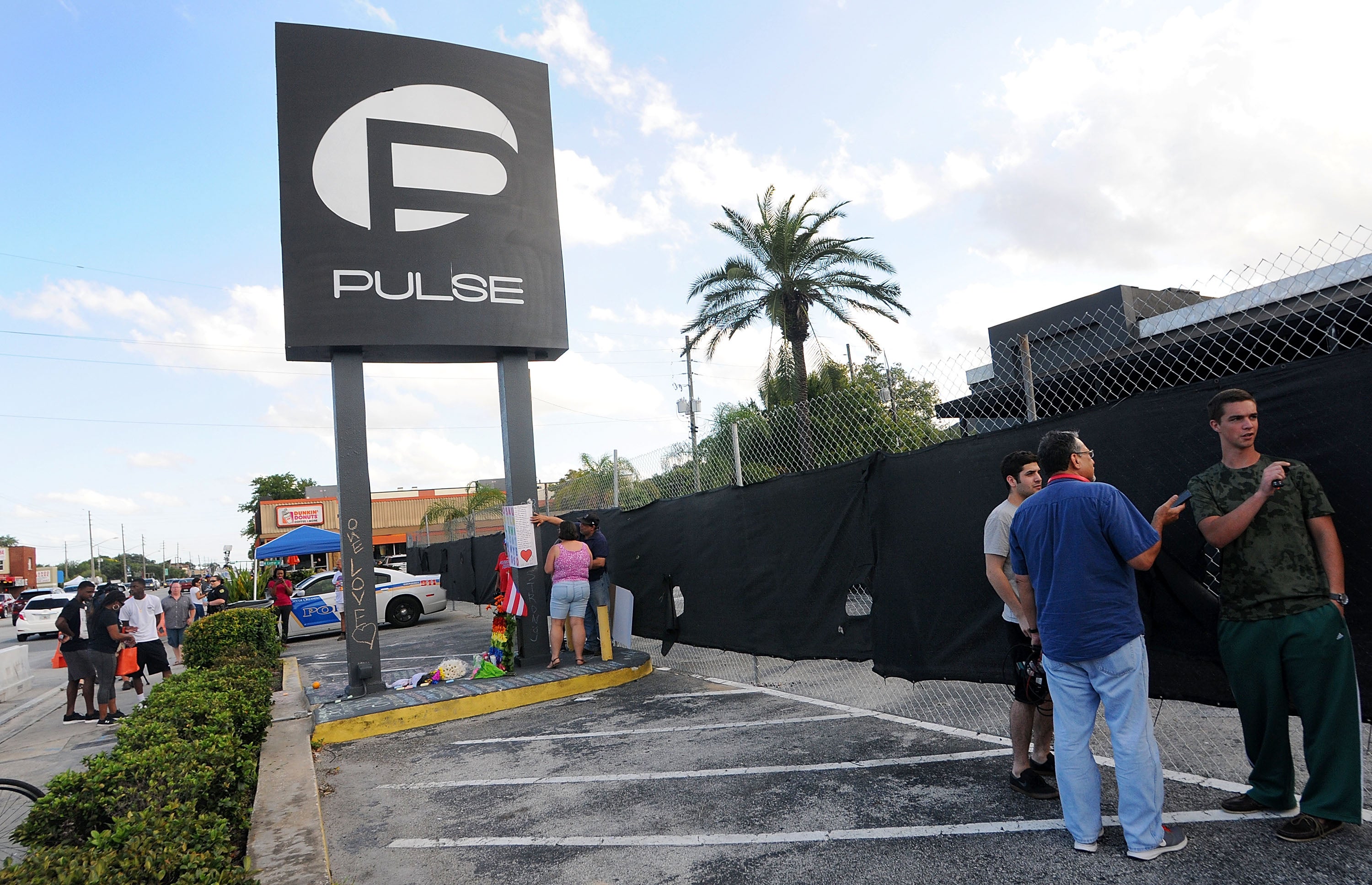
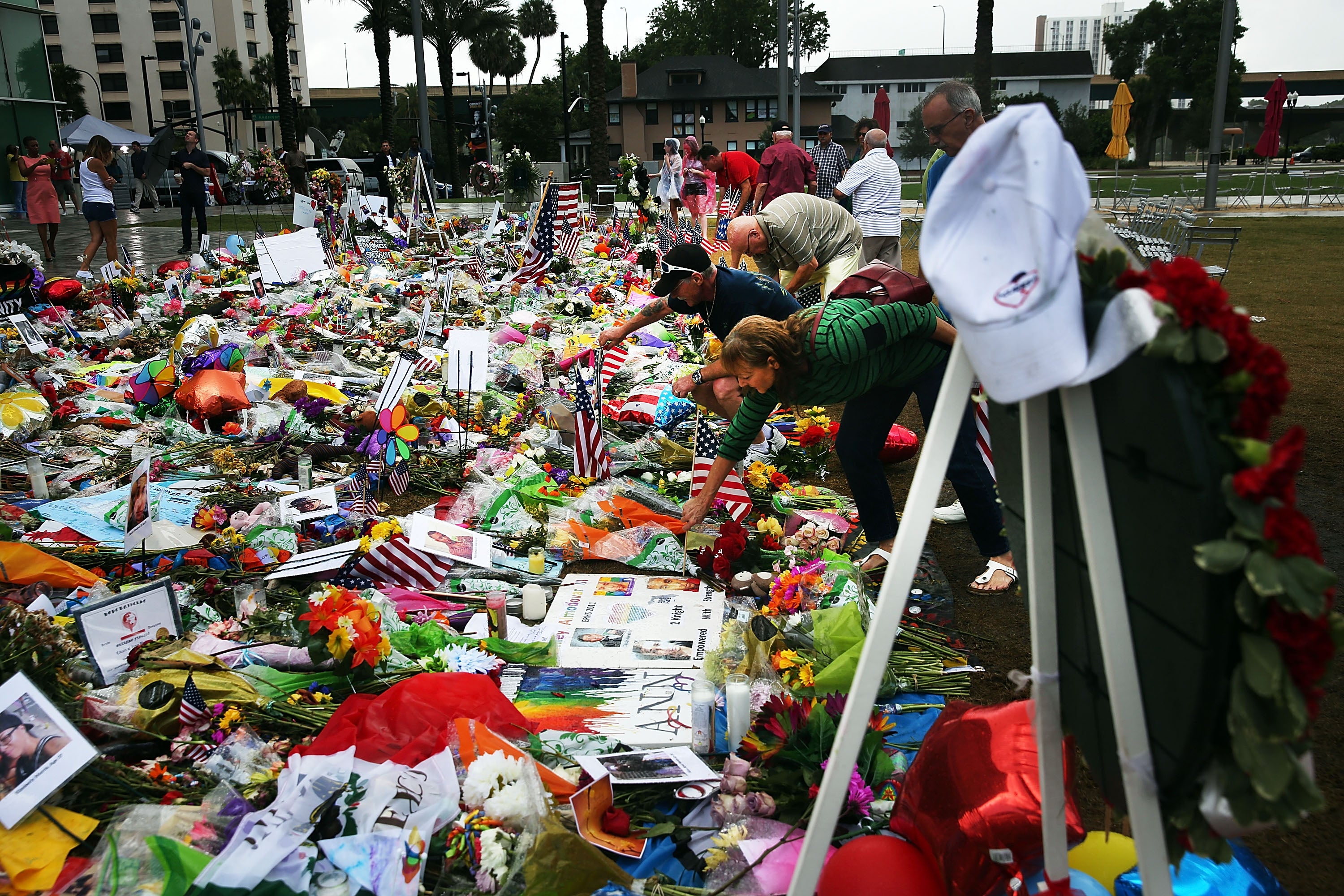
For many residents, the demolition of Pulse is bittersweet as the site stood as both a constant reminder of the tragedy and a makeshift memorial adorned with flowers and momentos honoring those killed. One unidentified person told Click Orlando that construction of the memorial is “long overdue,” adding, “I’ll be happy to see the building gone. I’ll be happy to see a memorial in its place.”
Orlando Mayor Buddy Dyer apologized earlier this week for the lengthy delay in establishing a permanent Pulse nightclub memorial after the City bought the property in October 2023. While he acknowledged that no memorial can undo the tragedy, he hopes it will help the community begin to heal.
“I remember that very vividly, getting the calls shortly after 2 o’clock and then being on site through the remainder of the morning,” Dyer said during a briefing, adding that he, too, still wrestles with the event, Spectrum News reports. “Just the sadness of it all. Forty-nine lives extinguished that night for no reason at all.”
Some family members and survivors still have mixed feelings about the memorial’s design, questioning whether it fully reflects their wishes. Earlier this month, the city completed only about 30 percent of the design. The 60 percent design milestone is expected in May, and construction is scheduled to start in September 2027.
"You want to feel a big relief, and many, many of the families, they don't feel like that," Rodriguez said to WESH. "They feel betrayed. They feel… angry. And for us, for the survivors, we feel like trash because we never going to forget everything we have in our minds, and mostly because the justice is not is not happening."
The Independent has contacted the City of Orlando for comment.
Florida hospital sues to evict a patient who won't leave room 5 months after discharge
Pulse nightclub is demolished to make way for memorial to 2016 mass shooting
In Miami for the WBC final, both Venezuelan and US fans have something to celebrate
Trump’s DHS nominee shredded by GOP senator in confirmation hearing: Recap
FAA announces new air traffic controllers rules after deadly DC midair collision
How fire ripped through Trump’s biggest warship as it sails to Crete for repairs