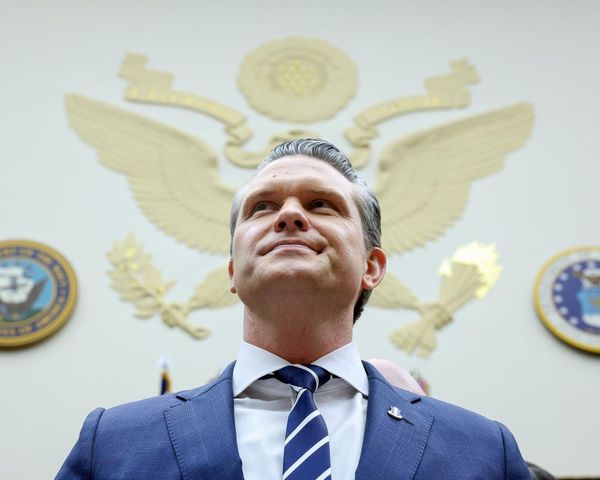
Kevin Warsh, Donald Trump’s pick to lead the Federal Reserve, cleared a key procedural hurdle on Wednesday, opening the way for him to succeed Jerome Powell in coming weeks amid the White House’s unprecedented efforts to exert control over the world’s most powerful central bank.
Warsh’s nomination was approved in a 13 to 11 vote, strictly along party lines with Republicans supporting the nomination, setting up a confirmation vote in the US Senate in the coming days.
All 13 Republicans on the panel voted in support of Warsh after Thom Tillis, a North Carolina senator, dropped his opposition following the Department of Justice’s decision on Friday to end a criminal investigation into Powell that Tillis viewed as a threat to the Fed’s political independence.
The panel’s 11 Democrats, who say they doubt Warsh’s promise to set policy without regard to the president’s wishes, voted against him.
In a statement before the vote, Elizabeth Warren, a Democratic senator and ranking member of the Senate’s banking committee, repeated her concern that Warsh will be a “sock puppet” for Trump.
“Members of this committee who vote for Mr Warsh and help facilitate President Trump’s takeover of the central bank, will come to regret it,” Warren said. “Unfortunately, it will be American families that will pay the price.”
The vote comes as Powell leads what is likely to be his last policy-setting meeting as Fed chief. The policy-setting federal open market committee is universally expected to leave its benchmark overnight interest rate unchanged in the current 3.50%-3.75% range, given still-elevated inflation and upward pressure on prices from the disruption to global oil supplies due to the Iran war.
There is little doubt that the Senate will confirm Warsh, a 56-year-old lawyer, financier and former Fed governor who has promised “regime change” for the central bank and who Trump has repeatedly said will deliver the rate cuts the president wants.
The timing of the confirmation vote is uncertain. If it follows the template for the Trump administration’s most recent Fed nominee, Warsh could be sworn in by 15 May when Powell’s leadership term ends.
What’s not clear is whether Warsh’s ascension would mean Powell’s exit from the Fed, or whether the current central bank chief would stay on as a member of its board of governors – and, if he does so, whether Trump will follow through on his threat to try to fire him. Such a move would surely draw a legal challenge, as did the president’s attempt last summer to fire Lisa Cook as a Fed governor.
Powell’s board seat runs through January 2028.
Fed chiefs almost always step down to make room for their successors, and Powell is a lawyer whose adherence to regularity runs deep. But he took the view that the government’s criminal investigation was political intimidation and part of the Trump administration’s efforts to influence how the Fed sets interest rates.
Powell said last month that he would not leave the Fed until the criminal investigation was over with “finality”, and he may yet stay on if he feels doing so is best for the central bank and the country.
The US attorney for the District of Columbia, Jeanine Pirro, said on Friday she would not hesitate to resume her investigation “should the facts warrant doing so”. Warren and fellow Senate Democrat Dick Durbin on Friday called that statement a threat of “future baseless investigations” into Powell or any other Fed governor.