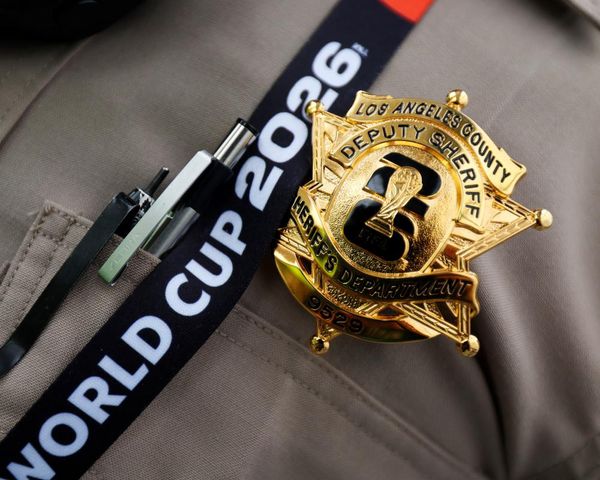
San Antonio is hosting six FIFA World Cup 2026 matches. Hundreds of thousands of international fans are arriving from countries where dengue fever is at record or near-record levels. And Bexar County, where San Antonio is located, has confirmed populations of the Aedes aegypti mosquito — the primary vector for dengue transmission.
Those three facts together are why public health officials are issuing dengue warnings for South Texas this summer.
The Pan American Health Organization formally warned travelers and host communities about dengue risk at several World Cup host cities in its June 2026 public health advisory. PAHO specifically identified Houston, Miami, and Dallas — and by extension San Antonio — as cities within the range of Aedes aegypti mosquitoes, hosting matches during peak mosquito season, where dengue transmission is biologically possible.
Why This Matters
The key mechanism for local dengue transmission during the World Cup is what infectious disease specialists call "viremic travelers" — international visitors who are carrying an active dengue infection but have not yet developed symptoms. If a local Aedes aegypti mosquito bites such a person and then bites an uninfected resident of San Antonio, the virus can establish itself in the local mosquito population.
The Texas Department of State Health Services has confirmed that Bexar County has Aedes aegypti populations capable of carrying dengue, Zika, and chikungunya. South Texas's summer climate — hot, humid, and wet enough to support active mosquito breeding — provides the conditions in which this transmission pathway becomes a real public health concern.
Dengue set a U.S. record in 2024 with nearly 3,800 cases — a 359% increase over the prior 14-year average. Brazil, one of the World Cup's largest international fan contingents, recorded millions of dengue cases in 2024. Mexico, a co-host nation with active dengue transmission, borders San Antonio directly.
What We Know So Far
From MedicalDaily's prior coverage of PAHO's World Cup advisory, the PAHO World Cup health advisory, and PAHO's dengue surveillance data for the Americas:
- PAHO June 2026 advisory : Explicitly warns that "in some host cities, particularly in Mexico, mosquitoes can transmit diseases such as dengue, Zika, and chikungunya"
- U.S. dengue record : 3,800 cases in 2024, a 359% increase over the prior 14-year average
- PAHO Americas surveillance : 624,085 suspected dengue cases in the Americas as of epidemiological week 12 of 2026
- Local vector status : Bexar County confirmed Aedes aegypti populations capable of dengue transmission
- Critical difference from West Nile : Aedes aegypti mosquitoes bite during the day , not just at dusk and dawn, requiring all-day repellent use for protection
Where the Risk Is Highest
San Antonio is the primary South Texas focus, but the risk extends throughout Bexar County and into surrounding counties that share the same mosquito habitat.
World Cup stadium zones, fan parks, and entertainment districts where large crowds of international visitors gather outdoors during the day represent the highest-concentration exposure settings. Fans from Brazil, Mexico, Colombia, and Venezuela — all countries with active dengue transmission — are present in the city for extended periods corresponding to match scheduling.
South Texas residents who live near World Cup venues or high-traffic fan areas face a heightened background exposure risk that extends beyond just attending matches. Aedes aegypti mosquitoes have limited flight range but breed in small containers of standing water — including potted plants, uncovered trash containers, and decorative water features — that are common in urban residential neighborhoods.
What Doctors and Experts Say
"Houston and San Antonio are within the range of Aedes aegypti mosquitoes during peak mosquito season," noted Georgetown University's Health Security Operations Center, which is monitoring wastewater, hospital visits, and disease reports across host cities in real time during the World Cup.
Infectious disease experts note that the key clinical distinction for South Texas clinicians this summer is that dengue's symptom profile — high fever, severe headache, pain behind the eyes, joint and muscle pain, rash — overlaps with several other summer illnesses. A returning traveler or local resident presenting with these symptoms should be evaluated for dengue specifically, not just for flu or COVID-19.
Crucially, dengue is treated with acetaminophen — not ibuprofen or aspirin. Both ibuprofen and aspirin increase bleeding risk in dengue infection and can worsen clinical outcomes. Patients should not self-medicate with anti-inflammatory medications if dengue is possible.
What the Evidence Shows — and What It Does Not
The current risk in San Antonio is potential, not confirmed. No locally acquired dengue cases have been reported in Bexar County as of this writing. The concern is about the conditions for local transmission — vector presence, imported cases — not an active outbreak.
PAHO's formal warning is precautionary but grounded in established epidemiology: the World Cup brings visitors from dengue-endemic countries into cities with competent dengue vectors during peak transmission season. That combination has historically produced locally acquired dengue cases in Florida, Texas, and Hawaii.
MedicalDaily Evidence Check
- Source : PAHO World Cup health advisory (June 2026); PAHO Americas dengue surveillance; Texas DSHS Bexar County vector data
- Local dengue cases confirmed : None as of current reporting
- Risk level : Elevated potential for imported cases to trigger local transmission
- Key limitation : Theoretical risk based on vector presence and imported case volume; not an ongoing outbreak
- What readers should know : All-day repellent use (DEET, picaridin) is required because Aedes aegypti bites throughout the day, not just at dusk
Who Faces the Greatest Risk?
- International visitors from Brazil, Mexico, Colombia, and Venezuela who may have active dengue infection without symptoms upon arrival
- San Antonio residents near World Cup venues who interact with large crowds of international visitors in outdoor settings
- South Texas residents who travel to nearby communities with World Cup events (Houston, Dallas)
- Anyone in Bexar County with open wounds or impaired immune systems , for whom dengue infection could be more severe
- Pregnant women , for whom dengue during pregnancy carries risks including low birth weight and premature delivery
Symptoms and Warning Signs to Watch For
Dengue symptoms typically appear 4 to 10 days after a mosquito bite and include:
- Sudden high fever (often 104°F or higher)
- Severe headache
- Pain behind the eyes
- Severe joint and muscle pain ( "breakbone fever" )
- Nausea and vomiting
- Swollen glands
- A rash that appears 2 to 5 days after fever onset
Warning signs of severe dengue that require immediate emergency care:
- Severe abdominal pain
- Persistent vomiting
- Bleeding gums or nosebleed
- Vomiting blood or black, tarry stools
- Rapid breathing
- Fatigue or restlessness
Most dengue cases are mild. But approximately 1 in 20 infected individuals develops severe dengue, which can be fatal without prompt medical care.
What You Can Do Now
- Apply EPA-registered insect repellent throughout the day , not just at dusk. DEET, picaridin, and oil of lemon eucalyptus are all effective. Aedes aegypti mosquitoes are daytime biters.
- Eliminate standing water on your property. Aedes aegypti mosquitoes breed in small containers — overturned toys, flowerpot saucers, uncovered containers. Even a bottle cap of water is sufficient for breeding.
- Wear protective clothing — long sleeves and pants — during outdoor events.
- If you develop fever, headache, and joint pain after attending World Cup events or after potential mosquito exposure, contact your physician and specifically mention the possibility of dengue. Ask for dengue-specific testing if appropriate.
- Do not take ibuprofen or aspirin if dengue is suspected. Use acetaminophen only for fever and pain management.
- International visitors : Monitor for symptoms for 14 days after returning home. Dengue has a delayed-onset incubation window.
Cost and Access: What Patients Should Know
Dengue testing and treatment are available through primary care physicians, urgent care clinics, and hospital emergency departments. There is no specific antiviral treatment for dengue; care is supportive — fluids, rest, and acetaminophen for fever.
For patients without insurance, San Antonio's community health centers — including CommuniCare Health Centers — provide testing and evaluation on a sliding-scale basis. Bexar County Metro Health also operates public health clinics that can evaluate travel-related illness.
What Happens Next
Georgetown University's Health Security Operations Center is actively monitoring disease signals at all World Cup host cities. The CDC updates its dengue surveillance data weekly. PAHO continues issuing Americas-region epidemiological updates. MedicalDaily will report immediately if locally acquired dengue cases are confirmed in Bexar County.
The Bottom Line
San Antonio has the mosquito population, the international visitor influx, and the summer climate that together create the conditions for locally acquired dengue transmission. The risk is not theoretical — the vector is present, and the exposure is happening. The protective measures are simple and available: all-day repellent, standing water elimination, and the awareness that if you develop high fever and severe joint pain after potential exposure this summer, dengue belongs on the diagnostic list.