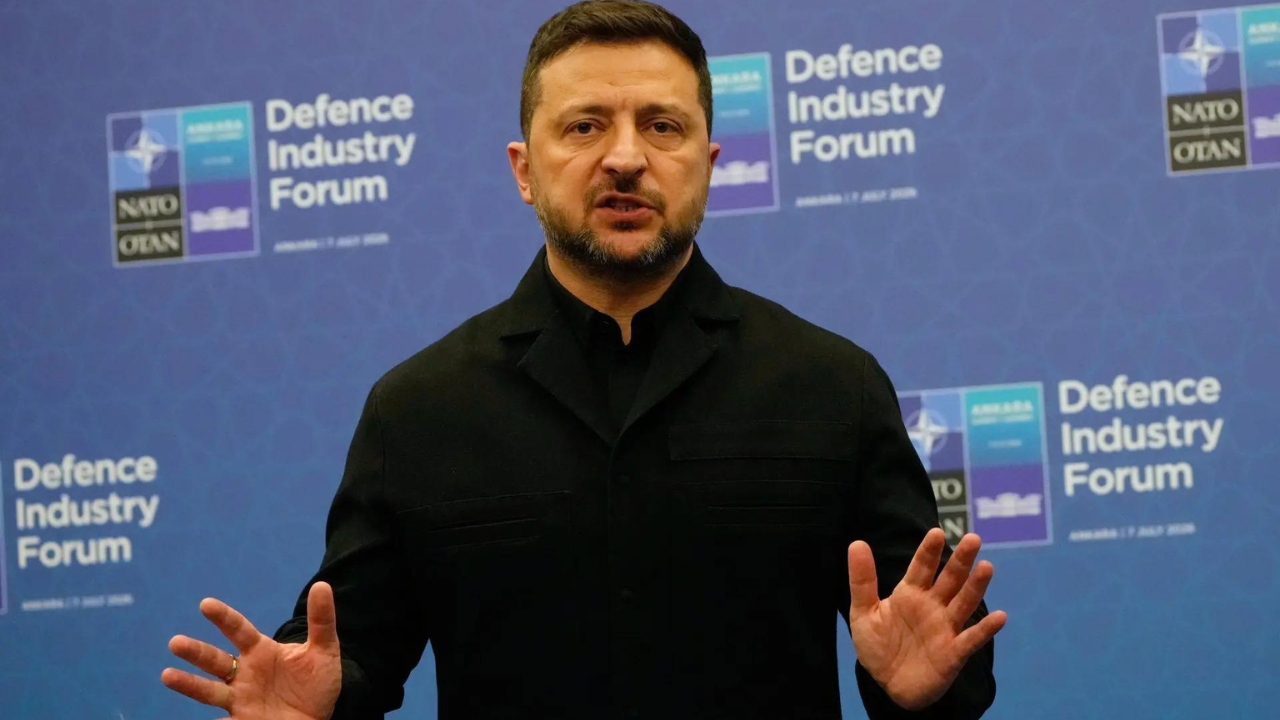
Ukrainian President Volodymyr Zelenskyy on early Wednesday dismissed Commander-in-Chief Gen. Oleksandr Syrskyi and appointed battle-hardened General Mykhailo Drapatyi as the new head of the armed forces, days after a government reshuffle sparked widespread protests across Ukraine.
Get breaking news anytime, anywhere. Download the TOI app now!
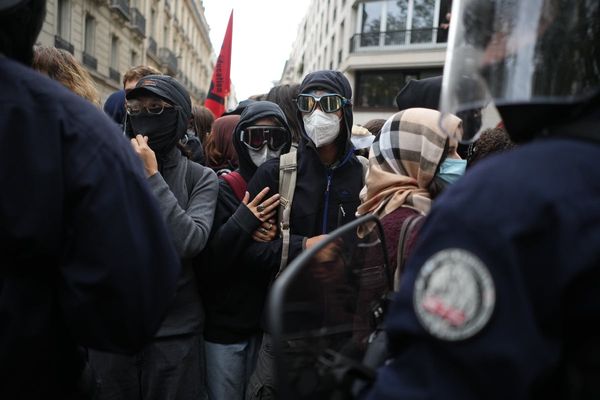
The move marks Zelenskyy's second major reversal under public pressure in recent months. Demonstrators had taken to the streets in Kyiv and other cities following the dismissal of Defence Minister Mykhailo Fedorov, who was widely seen as the driving force behind Ukraine's military modernisation and drone warfare programme. Protesters also demanded Syrskyi's removal, accusing him of representing an outdated Soviet-style command culture.
Announcing the appointment, Zelenskyy said Ukraine's military leadership must focus on securing victory while increasing pressure on Russia. "Our shared wish is one — victory over the enemy and conditions at the front and in pressure on Russia that would force Russia toward peace," he said.
The Ukrainian president thanked Syrskyi for his service, praising his role in defending Kyiv during the opening days of Russia's full-scale invasion in 2022, as well as operations in Kharkiv and Kursk. "I am grateful to Oleksandr Syrskyi and to every one of our warriors for Ukraine's strong front-line positions," Zelenskyy said.
Drapatyi, 43, vowed to lead with responsibility and respect for Ukrainian troops. "I will work responsibly, with full focus, and with respect for the people who are defending our country today," he wrote on Facebook. He also thanked his predecessor "for his consistent work to strengthen the Ukrainian army," adding: "I grew up in it."
Zelenskyy said the new military leadership would present an updated defence strategy, including reforms to the army's corps system, faster weapons and drone deliveries, stronger air defences and a clearer mobilisation plan.
The protests were triggered by the removal of Fedorov, 35, who had served as defence minister for just six months after previously leading Ukraine's digital transformation efforts. A former tech entrepreneur, Fedorov was credited with expanding Ukraine's drone capabilities, reforming military procurement and pushing anti-corruption measures.
After his dismissal, Fedorov publicly accused Syrskyi of blocking reforms and resisting changes needed for modern warfare. His criticism echoed complaints from soldiers and veterans, many of whom blamed the commander for costly front-line assaults and heavy casualties.
Syrskyi, 60, had long faced criticism over his leadership style and was viewed by many as emblematic of Ukraine's old military establishment. Despite overseeing key successes, including the defence of Kyiv and the Kharkiv counteroffensive, his tenure was increasingly overshadowed by calls for a new generation of commanders better suited to the evolving battlefield.