Every day, we publish a selection of your emails in our newsletter. We’d love to hear from you, you can email us at yoursay@theconversation.edu.au.
Monday January 26
Bushfire warnings
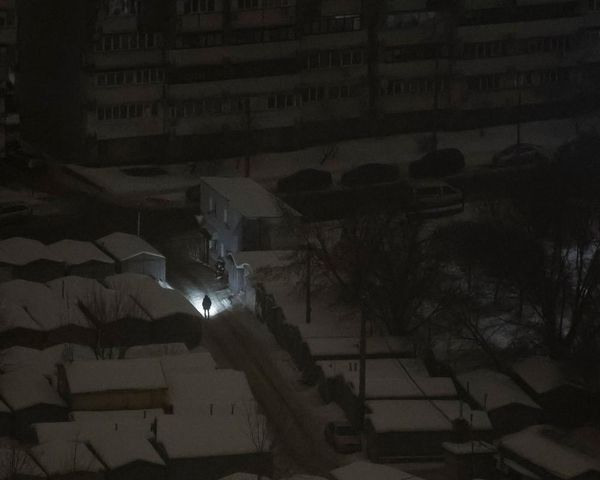
“Australia has world-class fire agencies and sophisticated warning systems, but many alerts rely on mobile phones, power, or internet access. During extreme conditions, these systems can fail – or simply go unnoticed at the worst possible time. That’s why I’ve put forward a simple, complementary idea to emergency authorities: using drones equipped with audible sirens to warn communities located in predicted fire-spread paths. This wouldn’t replace Emergency Alert, VicEmergency, or official advice. It would add a physical, place-based layer of warning, particularly valuable overnight, during power outages, or when fires move faster than expected.”
Robert Simons
Will it help?
“With the Coalition drama overshadowing this conversation, I find myself confused about what these new hate crime laws will achieve. Can The Conversation please ask someone to explain how the laws make Australians safer from individuals who choose to go mad with a weapon to intentionally kill people indiscriminately because they don’t like or are offended by the beliefs or actions of people they don’t even know? That, after all, is what we need protection from.”
Editor’s note: Constitutional expert Anne Twomey explains hate crime laws here.
What about the Falklands?
“With all the justifiable noise around Greenland, another unresolved territorial dispute in the Americas is getting little coverage – the dispute between UK and Argentina over the Falklands/Malvinas. Regarded as resolved by Britain (with US support then) following the 1982 war, I suspect the chips would fall differently if Trump fan-boy (President of Argentina) Javier Milei chose to act today. It has political attraction for Milei both as a way of distracting from his economic policies and mobilising nationalist support.”
Jeremy Baskin
Tuesday January 27
Time for a rethink
“It is interesting that there are so many comments agreeing with the Canadian PM’s speech on the need for a rules-based order and adherence to international law. Such speeches should have been made by Western leaders, especially middle powers like Canada and Australia, years ago before the US dragged us into ‘forever wars’ around the world, paying scant attention to international laws and order that multilateral institutions were espousing. Had that happened, we would not have been involved from Vietnam to Afghanistan. The Canadian PM had to wait until the wolf was at the door to cry foul. If the middle powers are heeding the Canadian PM’s assertions, then Australia should do a complete audit of our engagement, both in material terms and in diplomacy, in other conflicts. Silence, tacit agreement, and surreptitious acts carried out behind the public eye should cease.”
Ranjan Yagoda, Melbourne VIC
Hate speech
“‘Free speech’ is not an excuse for ‘hate speech’. Hate speech is what has increasingly divided our nation over the last two years. It has led to the numerous attacks on our fellow Australians, culminating in the murders at the Bondi massacre. Our government’s reaction has been feeble & lacking in foresight. Hate speech and its consequences endanger the safety of all Australians.”
Hugh Macindoe, Prospect SA
Learn from the Swiss
“A country is ‘sovereign’ for as long as other countries are happy for it to be so. There can be no international law if there is no enforcement mechanism (a police force) and the only international rule that every country acknowledges is that "might is right”. Diplomats and pundits may cite “international law” but they seem to do so only selectively. Becoming a Switzerland in the South Pacific is the only way to secure Australia’s sovereignty.“
Ian Gill
This article was originally published on The Conversation. Read the original article.