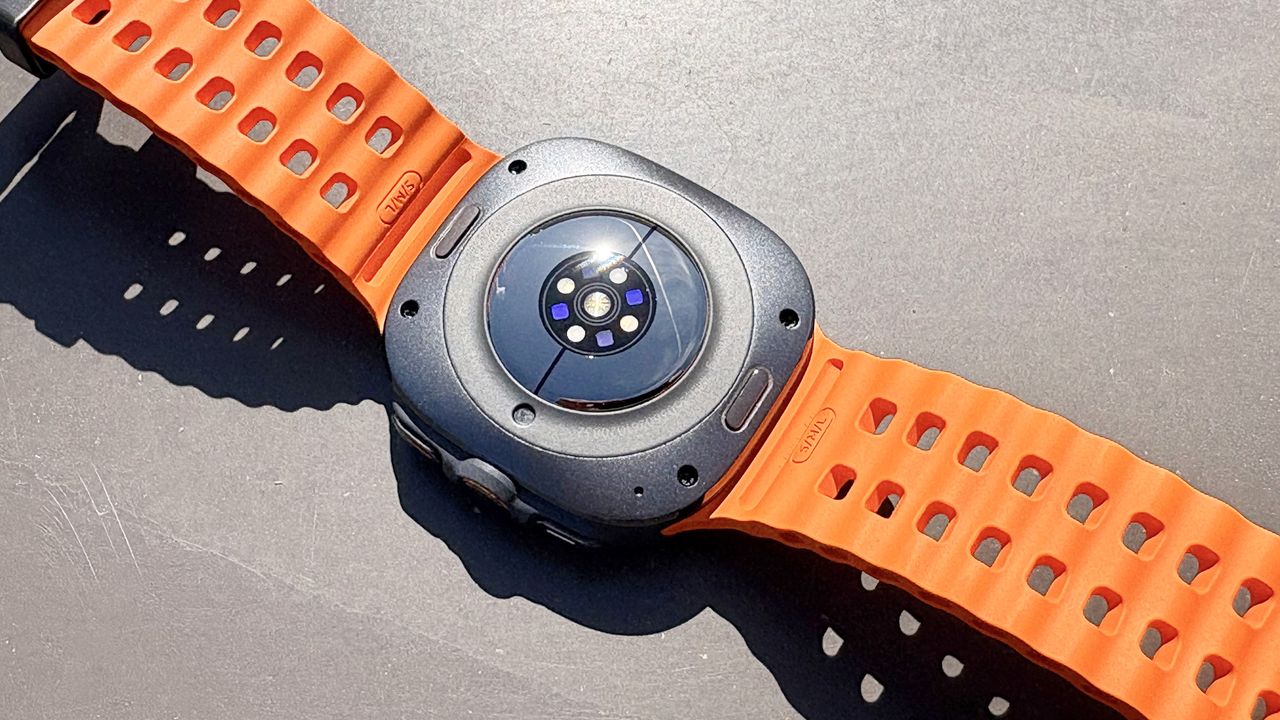
Samsung first announced plans to bring blood pressure monitoring to the brand’s lineup of Galaxy smartwatches all the way back in 2019. Now, the feature is available for U.S. watch users with the Galaxy Watch 4 or newer.
This is a major milestone for Samsung, which is in an epic arms race with the competition, including not just Apple and Google but Oura, Ultrahuman, and Whoop, too, to see which brand can add real-time blood pressure monitoring to a wearable device first.

Here’s everything you need to know about blood pressure tracking on the best Samsung Galaxy Watches, including the one notable drawback of the feature.
Samsung brings blood pressure tracking to Galaxy Watch in the U.S.

It’s worth mentioning that blood pressure tracking has been available on Samsung Galaxy Watch models in markets outside of the U.S. for some time now. However, this is officially the first time that the feature has been approved for use in the U.S.
However, before you can turn your Galaxy Watch 4 or newer into an on-wrist blood pressure monitor, you’ll first need to calibrate it. This requires a traditional blood pressure cuff.
The calibration process, required every 28 days, is pretty straightforward, though. You take a reading with the old-school cuff while wearing your Galaxy Watch on the opposite wrist. The Samsung Health app provides a simple set of instructions to ensure you’re recording an accurate reading.
Once you’ve completed the steps in the app, your Galaxy Watch is ready to roll; you can now take blood pressure readings. The resulting data includes everything you’d get from a traditional blood pressure monitor, including Systolic blood pressure, Diastolic blood pressure, and pulse (heart rate).
How Samsung’s blood pressure tracking differs from Apple’s Hypertension Alerts

While Samsung’s blood pressure monitoring tech might sound similar to Apple’s Hypertension Alerts, the two function quite differently. The Apple Watch feature, for example, doesn’t require an additional device for calibration, though there is a 30-day calibration period where you’re expected to wear the device most of the time.
Hypertension Alerts on the Apple Watch also don’t result in an actual blood pressure reading; rather, an alert is only triggered if/when signs of possible hypertension are detected.
Ultimately, a combination of Apple and Samsung’s approaches to blood pressure tracking and alerts would be the best of both worlds. That said, I’m hopeful that in the near future, wearables will be able to provide accurate blood pressure readings right out of the box, without the need for calibration, along with automatic alerts if consistently high blood pressure is detected.