
Get all your news in one place.
100’s of premium titles.
One app.
Start reading
Homes & Gardens
Homes & Gardens
Tenielle Jordison

Your ‘Red Peace Lily’ Isn’t Quite What You Think – It’s Actually an Anthurium and one Plant Expert Says It’s Important to Know the Difference if You Want Long-Lasting Blooms

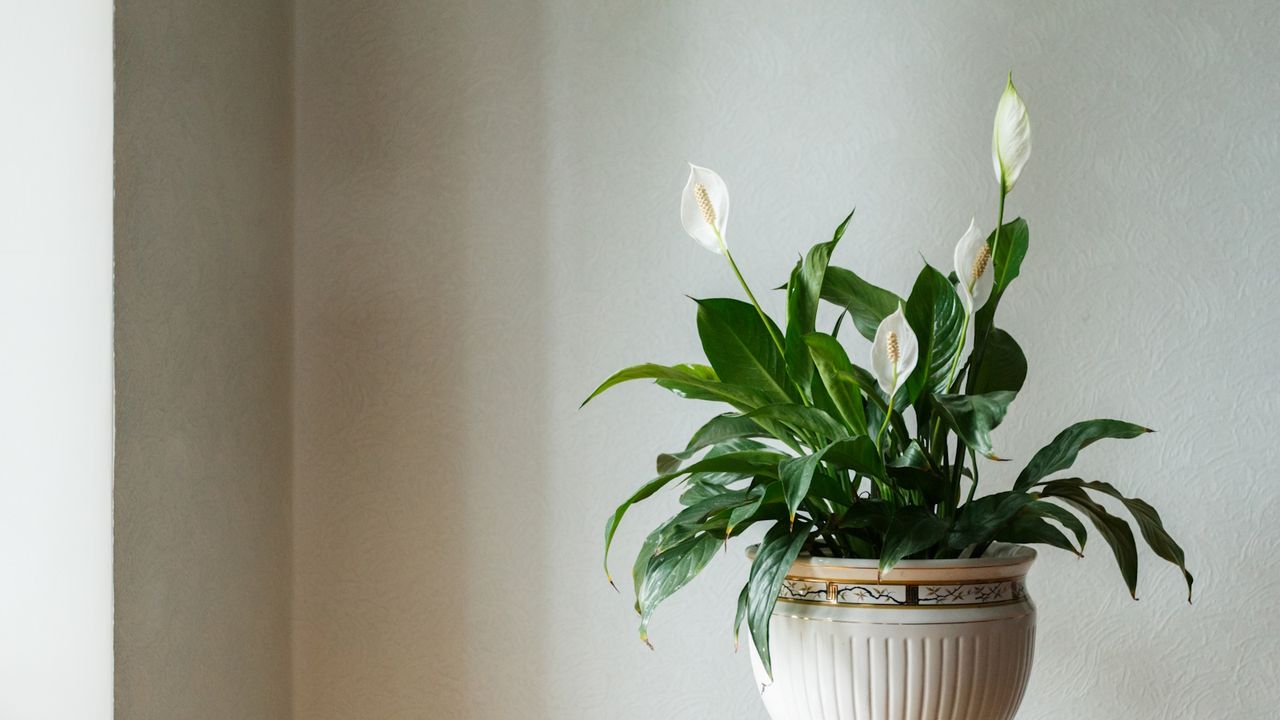
A peace lily plant in nude ceramic pot against beige wall.

To the untrained eye, an anthurium (or peacock plant) can be mistaken for a colorful peace lily. But, while similar in appearance, the two plants are in fact very different and not even related to one another.

Peace lilies (like this peace lily from The Sill) have luscious foliage and tall flower spikes with a spathe (modified leaf) that engulfs a spadix. Anthuriums (like this anthurium from The Sill) take a similar form, though its spathes come in a wide range of colors, from red and pink to dark purple and green.

Both plants require very similar care, too, so how they perform in your home environment wouldn't necessarily give away which you have. All it takes is a closer look and better understanding of their differences to identify which you have. Spoiler: if you think you have a red peace lily, it's actually an anthurium. Here's all you need to know about peace lily vs anthurium plants.

(Image credit: Stephanie Starr via Alamy)

Peace Lily vs Anthurium – What's the Difference?

Both of these indoor flowering houseplants take on similar appearances and even have similar needs, but they're two unrelated plants.

It's easy to see why you may be mistaking your anthurium for a peace lily, but it's important to identify which you actually have to provide the best care for years of beautiful blooms adorning your interiors.

Difference in Appearance

(Image credit: Getty Images / Galina Tolochko)

The biggest hint that your peace lily is actually an anthurium is the color of its flower, or spathe.

Peace lilies (Spathiphyllum) only truly have green-white flowers, though you may find varieties like 'Bellini pink' on the market with pastel pink flowers that have been dyed. As these plants grow new flowers, they will revert back to white.

Anthurium, on the other hand, comes in a wide range of colors. The most iconic is the red anthurium, though you can also find purple (like this plant from Amazon), orange, green, and even white – hence the common mix up with peace lilies.

Other than the color, you can also look at the texture of the flowers.

'Even when an anthurium is white, it’s thicker, waxy, and almost plastic-like,' says Adrian Aviles, plant expert and Owner of Athletic Club Flower Shop.

'Peace lily blooms are softer and more slender,' he adds.

Peace lilies tend to flower in spring for a couple of months and then again in fall. Anthuriums, on the other hand, flower throughout the year for around three months at a time, followed by a couple of months rest before reblooming.

You can also take a closer look at the foliage to differentiate the two, Adrian says.

'Peace lilies have longer, thinner leaves. Anthuriums have thicker, glossier leaves that are also often heart-shaped,' Adrian explains.

Difference in Care

(Image credit: Getty Images)

Having now identified the difference between peace lily vs anthurium, it's important to understand their care requirements.

Both plants are native to tropical rainforests of South and Central America (though you'll also find anthuriums native to the Caribbean).

This means, for the most part, they thrive in very similar home environments.

For both plants, it's essential to provide bright light if you want lots of blooms, avoiding direct sun which may cause leaf scorch.

Peace lilies can tolerate lower light better than anthuriums which may drop leaves. Ideally, anthuriums should receive 10 hours of bright light daily to grow to their full potential.

Watering needs are also similar, with both plants needing consistent but not soggy water. I recommend using this soil moisture meter from Amazon to check when the top two inches of the plants' soil has dried out before watering again.

'Peace lilies are very forgiving. When they need water, peace lilies droop but they then perk back up after being watered,' Adrian says. Anthuriums, on the other hand, may start to wilt more quickly both when left to dry out entirely or overwatered.

For this reason, their potting mixes differ, too. Peace lilies grow well in a standard houseplant potting mix, while anthuriums need something more well-draining, like orchid bark (from Amazon). This also reflects the fact they're epiphytes in their natural habitat (growing on surfaces like tree trunks rather than in soil), like orchids.

There are several peace lily mistakes to avoid that also apply to anthuriums. For example, both plants thrive best in 50-60% humidity, but they tolerate lower in the home. Consider using something like a humidity pebble tray (from Amazon) to boost levels.

You can also get an anthurium to bloom again by using an anthurium fertilizer (like this one from Amazon) in the spring and summer months. Likewise for fertilizing a peace lily, with this peace lily fertilizer from Walmart.

Essentially, these plants have very similar needs, but there are slight differences in how they react to changes in their growing environment, with peace lilies being more forgiving. For this reason, many houseplant owners find peace lilies a more reliable choice than anthuriums.

FAQs

Can You Grow Peace Lilies and Anthuriums Together?

Yes, peace lilies and anthuriums grow excellently together because they have very similar needs in terms of bright light, high humidity, and consistent moisture levels. They're both tropical plants from the same native habitat of rainforests in South and Central America, so they make good companion plants in the home.

If you're looking for a DIY to try for your peace lily or anthurium, try making your own peace lily fertilizer. This special blend can be used for anthuriums, too, encouraging more abundant blooms.

Shop Houseplant Accessories

Sign up to read this article
Read news from 100’s of titles, curated specifically for you.
Already a member? Sign in here
Related Stories
Top stories on inkl right now
One subscription that gives you access to news from hundreds of sites
Already a member? Sign in here
Our Picks
Fourteen days free
Download the app
One app. One membership.
100+ trusted global sources.