
Get all your news in one place.
100's of premium titles.
One app.
Start reading
TechRadar
TechRadar
Hamish Hector

Your Meta Ray-Ban smart glasses don’t have facial recognition yet, and over 70 privacy advocacy organizations want it to stay that way

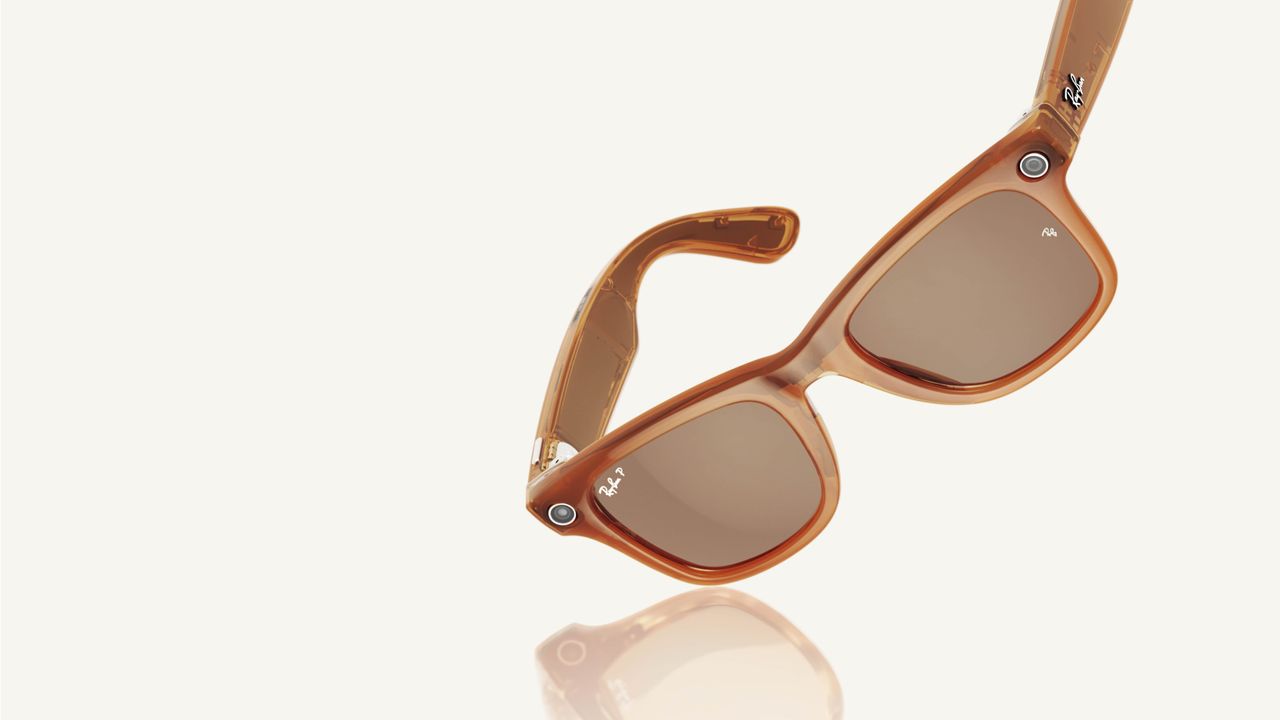
RayBan Meta Smart Glasses.
  • Meta has been urged to scrap its rumored Name Tag feature
  • In an open letter, privacy advocates have said the facial recognition tech is dangerous
  • Meta hasn't announced Name Tag yet, but a statement suggests the feature may still be coming to Ray-Ban glasses

Over 70 organizations are asking Meta to cancel its controversial Name Tag AI glasses feature plans — out of fear it could supercharge the threat of stalkers and abusers.

While not yet officially announced, a report came out last year suggesting that the company wants to develop an always-on AI system with the ability to recognize people’s faces and other details from your life, like where you left your keys. The story was amplified earlier this year when The New York Times reaffirmed Meta’s rumored plans.

What’s more, the NYT report included a leaked Reality Labs memo that suggests Meta knows the tool is controversial, as it apparently plans to launch Name Tag “during a dynamic political environment where many civil society groups that we would expect to attack us would have their resources focused on other concerns.”

The document also highlighted possible plans to launch the tool at a conference for the blind to help promote it as an accessibility tool.

(Image credit: Meta / Ray-Ban)

Despite some possible advantages to Name Tag, various organizations, including the ACLU (American Civil Liberties Union) and Electronic Privacy Information Center, have signed an open letter urging Meta to protect the public’s privacy by never releasing Name Tag or a feature like it.

“Facial recognition technology built into inconspicuous consumer eyewear represents a serious threat to privacy and civil liberties for every member of our society, and particularly for historically marginalized and vulnerable groups,” the letter explains.

It added, “People should be able to move through their daily lives without fear that stalkers, scammers, abusers, federal agents, and activists across the political spectrum are silently and invisibly verifying their identities and potentially matching their names to a wealth of readily available data about their habits, hobbies, relationships, health, and behaviors.”

In response, Meta issued a statement saying, “Our competitors offer this type of facial recognition product, we do not. If we were to release such a feature, we would take a very thoughtful approach before rolling anything out.”

(Image credit: Future / Cas Kulk)

The issue some may have with that response is that Meta doesn't promise to never introduce facial recognition to its specs, just that it would do it the right way. However, this comes off the back of reporting that Meta contractors are seeing a lot more of our AI smart glasses’ photos and videos than we might have realized.

This second smart glasses era has so far managed to dodge the major complaints that plagued Google Glass in terms of privacy, but that has changed. If Meta, Google, and even, possibly, Apple want things to go back in a more positive direction, they need to be careful and make stronger guarantees that the public is being taken seriously.

Smart glasses are still something of a novelty — fun but arguably a lot less useful than our phones, smartwatches, and earbuds. If public backlash continues to grow, a second smart glasses decline will likely follow — and I say this as someone who thinks the tech could be awesome and would like to see it flourish.

We just need to make sure privacy protections are taken seriously. Otherwise, I imagine it won’t be long before governments or members of the public start taking action.

Sign up to read this article
Read news from 100's of titles, curated specifically for you.
Already a member? Sign in here
Related Stories
Top stories on inkl right now
One subscription that gives you access to news from hundreds of sites
Already a member? Sign in here
Our Picks
Fourteen days free
Download the app
One app. One membership.
100+ trusted global sources.