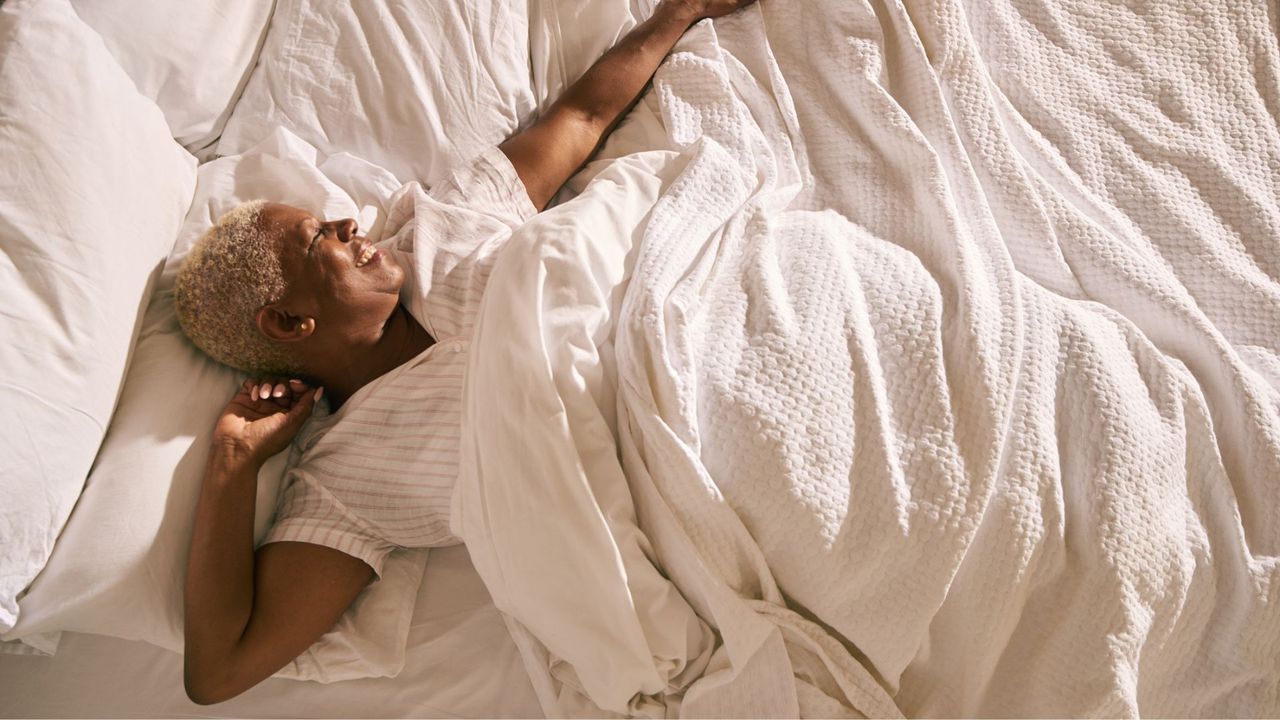
As we age, our bodies change — and we shouldn’t ignore that. Instead, we need to adapt to those changes to stay fit and healthy. When it comes to our sleep, that means switching up our mattresses and pillows.
The best mattress for you in your 40s is unlikely to work in your 50s, and the same goes for your 60s and 70s. Besides, a good mattress only has a lifespan of around 7-10 years. (Pillows have an even shorter lifespan of 1-2 years.)
How do our bodies change as we age — and what should we look for in our mattresses and pillows to accommodate those changes? To find out, I asked Dr. Meir Cioraru, DC, Founder and Chiropractic Doctor at Well Adjusted Miami, and Dr. Kevin Hallmeyer, DC, owner of True Spine Chiropractic in Bend.
Key takeaways: At a glance
- Your 40s are a pivotal time for changes in your body, and it's when you should start investing in your sleep setup. Look for a mattress and pillow that truly support the natural curves of your body.
- In your 50s, you may feel more stiffness in your joints and the start of arthritis. Thus, side sleepers will benefit from a medium-firm mattress, while back sleepers will find firm mattresses better for alignment.
- In your 60s, hunches in the back can start to develop, meaning it’s important your pillow doesn’t flex your neck forward. For this reason, flatter pillows can be beneficial.
- In your 70s, bone density is lower, and joints need extra care, so a bed that’s easy to get in and out of is essential. You also won’t want a rock-hard mattress, but stable support is important to avoid joint pressure.
How your mattress and pillow needs change in your 40s
If you're in your 40s, you've probably started to notice some changes in your body.
"Your 40s are a pivotal decade for long-term spinal health," says Dr. Cioraru. "The habits and investments you make now will influence how your body feels in your 50s, 60s, and beyond."
"By this stage of life, you have already spent roughly a third of your life sleeping," the doctor explains. "Recovery, tissue repair, and nervous system regulation all happen during sleep, so the surface you spend those hours on matters more than most people realize."
At this stage in your life, Dr. Cioraru stresses that it's "the time to stop treating sleep surfaces as an afterthought." Investing in the right mattress for your sleep style is essential and a rich investment in your long-term health.

What the experts recommend...
But what should you look for when upgrading your mattress and pillow? That all depends on your sleeping position and preferences.
"A mattress that lacks proper support can place uneven pressure on the spine and joints, which may contribute to stiffness, poor sleep quality, and recurring back discomfort," Dr. Cioraru says.
"The goal is to find a mattress that supports the natural curves of the body without creating pressure points," he adds.
For many people, Dr. Cioraru says that a medium-firm mattress offers the best balance of support and comfort. Most side and back sleepers will find that a medium-firm bed keeps their spine aligned and prevents their hips from dipping.
But this can differ depending on your sleep position. Generally, the best mattresses for side sleepers have a plush surface to avoid pressure build-up, while mattresses for back sleepers typically have a slightly firmer tension.
However, firmness is subjective, and everyone has their own idea of what's comfortable. This is why mattress trials are so important.

How about stomach sleeping? Dr. Hallmeyer says that this is his "least favorite choice for sleep position because it is the most demanding on the neck."
"When we’re younger, the joints and discs of the neck tolerate this fairly well," he continues, "but as we age and the spine loses some mobility and disc height." That can lead to more joint stiffness, headaches, or neck pain.
However, if you can't help but sleep on your front, look for the best mattresses for stomach sleepers. These are usually firm beds, Dr. Hallmeyer explains, because they prevent the abdomen and pelvis from sinking too deeply. A bed that's too soft for stomach sleeping can increase the arch in your lower back and force your neck to rotate and over-extend.
As for the best pillows, "Stomach sleepers usually do better with a thin, highly compressible pillow," Dr. Hallmeyer says.
"Thick or dense pillows push the head backward and increase stress on the neck joints. The head should settle close to mattress level with only light support under the neck," he adds.
The best mattress and pillow for your 40s
How your mattress and pillow needs change in your 50s
“In our 50s, we often see the beginning stages of arthritic change laid down in the spine,” says Dr. Cioraru.
The discs in our back lose hydration around this decade of our lives. As a result, Dr. Hallmeyer says many people start experiencing stiffness since the spine is often held in a slightly bent or extended position during the night.
What the experts recommend
For back sleepers, “This is where a firm mattress and pillow that keeps our spine in a neutral position comes into play,” says Dr. Cioraru.
A softer mattress will let your hips sink too far into the bed, meaning your spine will be misaligned. Some of the best memory foam mattresses have a firm feel, but the springs of a firmer hybrid model may provide the appropriate level of support you need at this stage.

For side sleepers, Dr. Hallmeyer recommends a medium to medium-firm mattress for the best balance of support and pressure relief. Try to avoid anything too firm; even though your spine will likely be neutral, pain will build up from pressure in your joints.
When considering pillows, Dr. Hallmeyer explains, “Side sleepers need enough height to prevent the head from collapsing downward. Back sleepers need enough contour to support the cervical curve without pushing the head forward.”
And no matter your sleep position, “Your neck should stay level with your spine, not tilted up or dropped down,” he adds.
The best mattress and pillow for your 50s
How your mattress and pillow needs change in your 60s
“By your 60s, joints and discs are less forgiving, and pressure points can wake you up more easily,” adds Dr. Hallmeyer.
“People in their 70s who have a large hunch in their upper back (hyperkyphosis) didn't start that way,” adds Dr. Cioraru. “It started developing in their 50s and 60s.”
That is all the more reason to start choosing the right mattress and pillow for your needs as early as possible.
What the experts recommend
In your 60s, it's all about finding the right pillow to support your neck and spine.
“For back sleepers, it's crucial not to use a large pillow that keeps the neck flexed forward. A smaller, flatter pillow for back sleepers combined with a mattress that doesn't allow you to sink in is best,” says Dr. Cioraru.
While back sleepers will need a low pillow loft, it's the opposite case for side sleepers. Dr. Cioraru recommends side sleepers find a pillow that's tall enough to fill the gap between their ear and their shoulder, making sure their nose is in line with their sternum.”

If you still sleep on your stomach at this stage, now's the time to change that. "As people move into their 50s and 60s, transitioning toward side sleeping may become more comfortable as it allows the neck to stay in a more neutral position, Dr Hallmeyer says.
But if you can't stop sleeping on your front, Dr. Hallmeyer suggests "keeping the pillow low and the mattress supportive [to] reduce strain over time."
The best mattress and pillow for your 60s
How your mattress and pillow needs change in your 70s
“The biggest change in your 70s is that the bone density isn't what it used to be, arthritis is there, and if it is, it's been there a while,” says Dr. Cioraru.
Mobility can also be greatly reduced, and many people might be facing daily pain and stiffness.
What experts recommend
“Here is where it becomes important to support what we do have already. If you have significant forward head posture and it's been that way for the better part of a decade [or longer], now isn't the time to get a flat pillow hoping to change that over the next couple of months,” says Dr. Cioraru.
And while the doctor notes that "It doesn't mean we can't make changes," he emphasizes that things "won't change back overnight.”
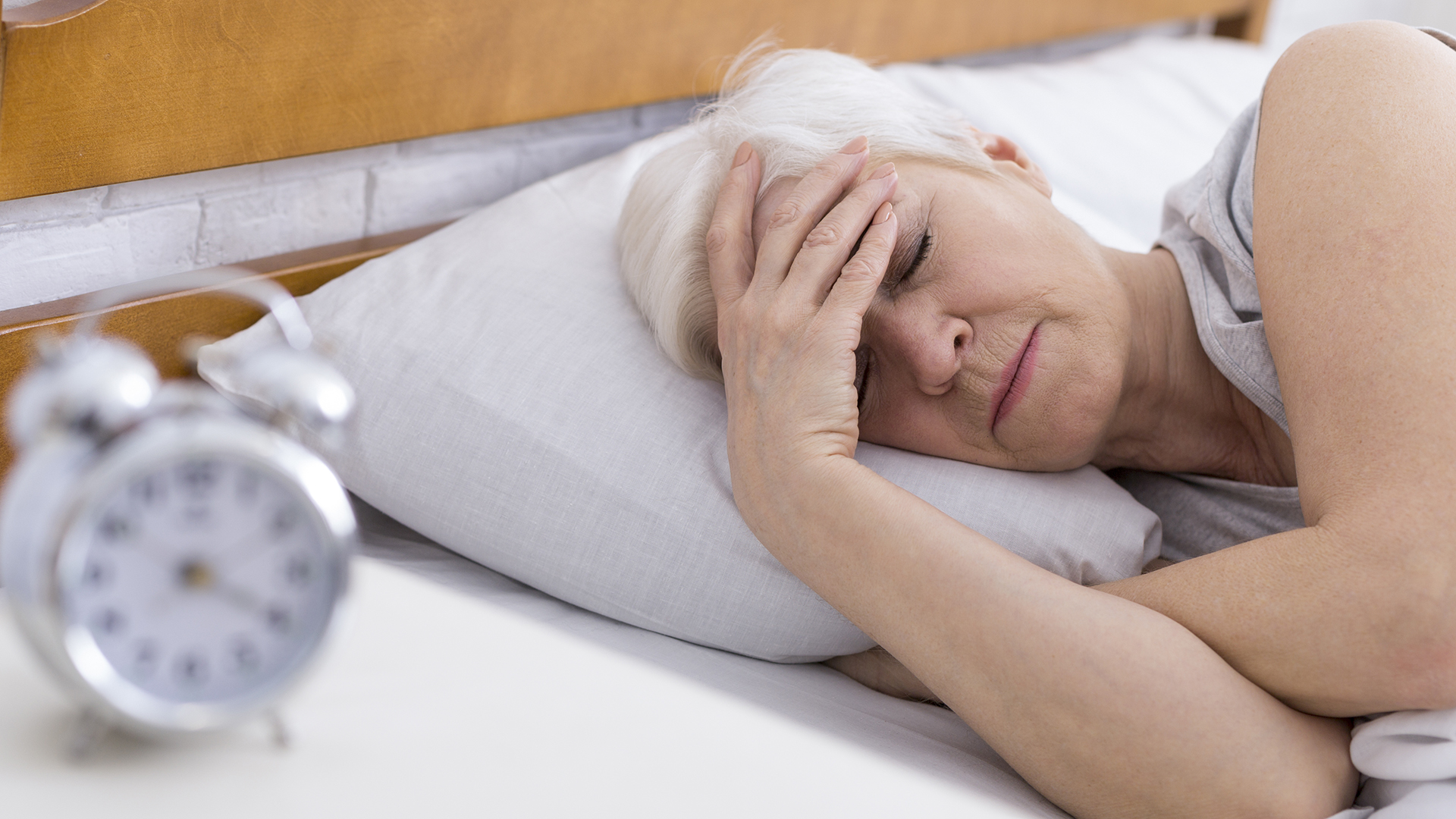
“In your 70s and beyond, comfort, stability, and pressure relief matter most. A mattress shouldn’t feel hard like the floor, but it also shouldn’t sag or make it difficult to get in and out of bed,” says Dr. Hallmeyer.
Your pillow should keep your head in a neutral position without forcing a "dramatic correction in posture," he adds.
For side sleepers, ensure your mattress has plenty of pressure-relieving comfort layers made from materials like memory foam or wool. This will help cushion the pressure points in your body. Back sleepers will benefit from firmer support.
If you can't afford a new mattress and it's still in sleep-worthy shape, adding one of this year's best mattress toppers can add enough firmness or softness to achieve the level of comfort you need.