Get all your news in one place.
100’s of premium titles.
One app.
Start reading
Tom’s Guide
Tom’s Guide
Technology
Ashley Thieme

You need the right footwear for your hiking terrain — and flexible walking shoes will help you walk for longer

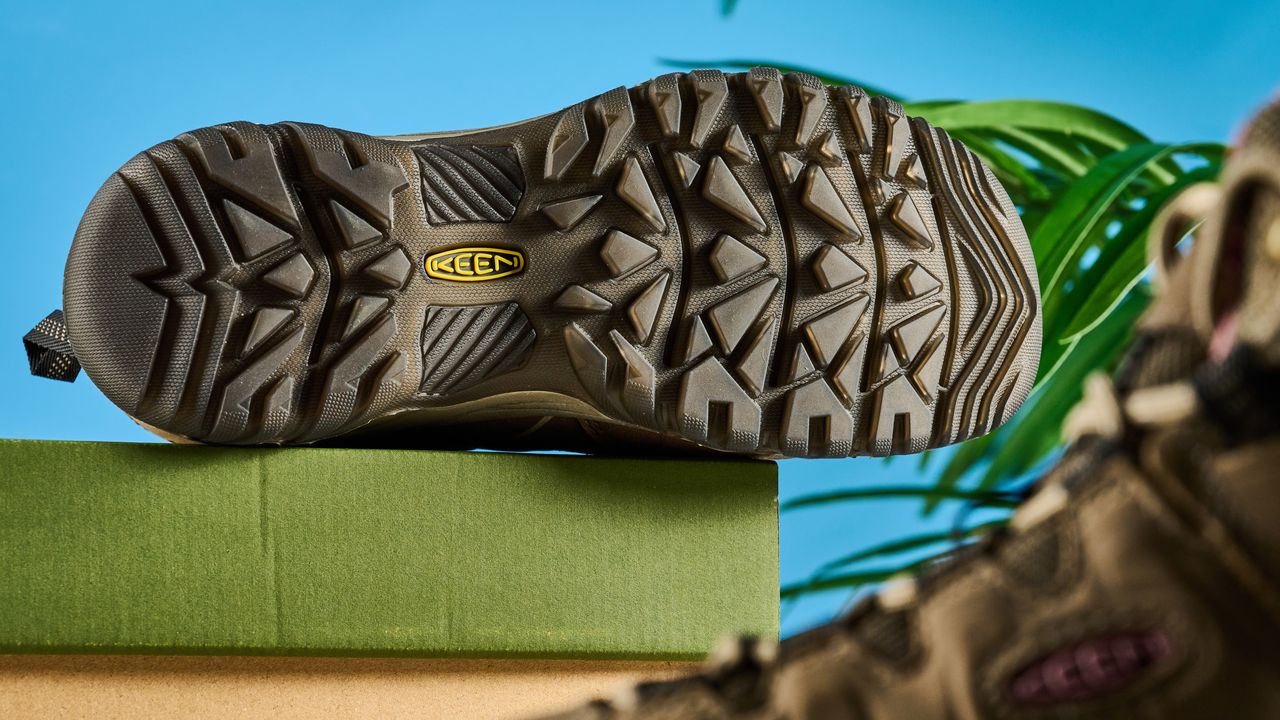
Keen Targhee IV hiking boots photographed in front of a blue background. .

January is my favorite time of year to go hiking. Time it right, and you can be met with frost-covered floors that are safe to walk on, and crisp mornings that make returning home for a warm drink even better.

But in this colder weather, I tend to take on easier routes. That means fewer hills and mountains and more long trails where the elements are a little more forgiving. When walking on rockier terrain, I opt for walking shoes with stiff soles to avoid any rolled ankles.

But when I take on flat terrain, I know that repeated stepping motions without enough flex or cushioning can mean my feet, and particularly my shins, get fatigued more quickly. That’s why choosing the right shoe for your activity is so important, and the Keen Targhee IV hiking boots are my most reliable pair as they provide support and flex.

Why bend matters

(Image credit: Tom's Guide)

The ground on the more forgiving trail (without much incline) is pretty flat; if your shoes are too stiff, your shins will start to give up on you pretty quickly. I have felt this more times than I’d care to admit, and the shin splints that come with the wrong footwear can stick around for days.

Having shoes that can move with your heel-to-toe bend can help with shock absorption, but most importantly, keep your movements natural. When your movements feel more natural, you will automatically feel more relaxed, and this helps me better appreciate the nature all around me.

Muscle engagement

(Image credit: Tom's Guide)

Flexible shoes will keep your feet strong. Have you ever worn a pair of stiff shoes and had your feet feel sore afterwards? This happens to me all the time, especially when wearing my regular day-to-day shoes with platform soles, as these have minimal flex. That's because my feet aren’t really moving, and my legs are doing all the work.

Flexing your feet in your shoes keeps the muscles strong and resilient over time. It’s the best way to ensure you stay ready to take on any hiking challenge. This is also the reason some barefoot-style shoes are becoming increasingly popular.

Shoes can bend in different areas, with some having more movement towards the front and others in the middle of the sole. It’s important to figure out which of these work best for you, as we all have different walking styles.

How can you test this when buying shoes?

(Image credit: Tom's Guide)

Generally speaking, flexible shoes are a little lighter than stiff walking shoes, as they are made from lighter materials to aid with the bending movements. These are usually foam or rubber. But in the store, you’re going to need to pick up the shoes and get a good feel for them.

I find the best way to see if my shoes have enough flex is by grabbing them and bending with my hands. Stiff shoes won’t budge, and you’ll struggle to get any movement in them. But flexible shoes will move with the pressure from your hands, and you’ll be able to get a good idea of where the flex is happening and if it's suitable for your cadence.

It’s all about preference, but having shoes that suit your walking style and your usual trails is the best way to keep your feet happy when taking on a hike.

Follow Tom's Guide on Google News and add us as a preferred source to get our up-to-date news, analysis, and reviews in your feeds.

More from Tom's Guide

Sign up to read this article
Read news from 100’s of titles, curated specifically for you.
Already a member? Sign in here
Related Stories
Top stories on inkl right now
One subscription that gives you access to news from hundreds of sites
Already a member? Sign in here
Our Picks
Fourteen days free
Download the app
One app. One membership.
100+ trusted global sources.