
Get all your news in one place.
100’s of premium titles.
One app.
Start reading
Homes & Gardens
Homes & Gardens
Pippa Blenkinsop

You Might Think You've Found a Steal at an Estate Sale, but Experts Warn These Are the 6 Things You Should Avoid Buying

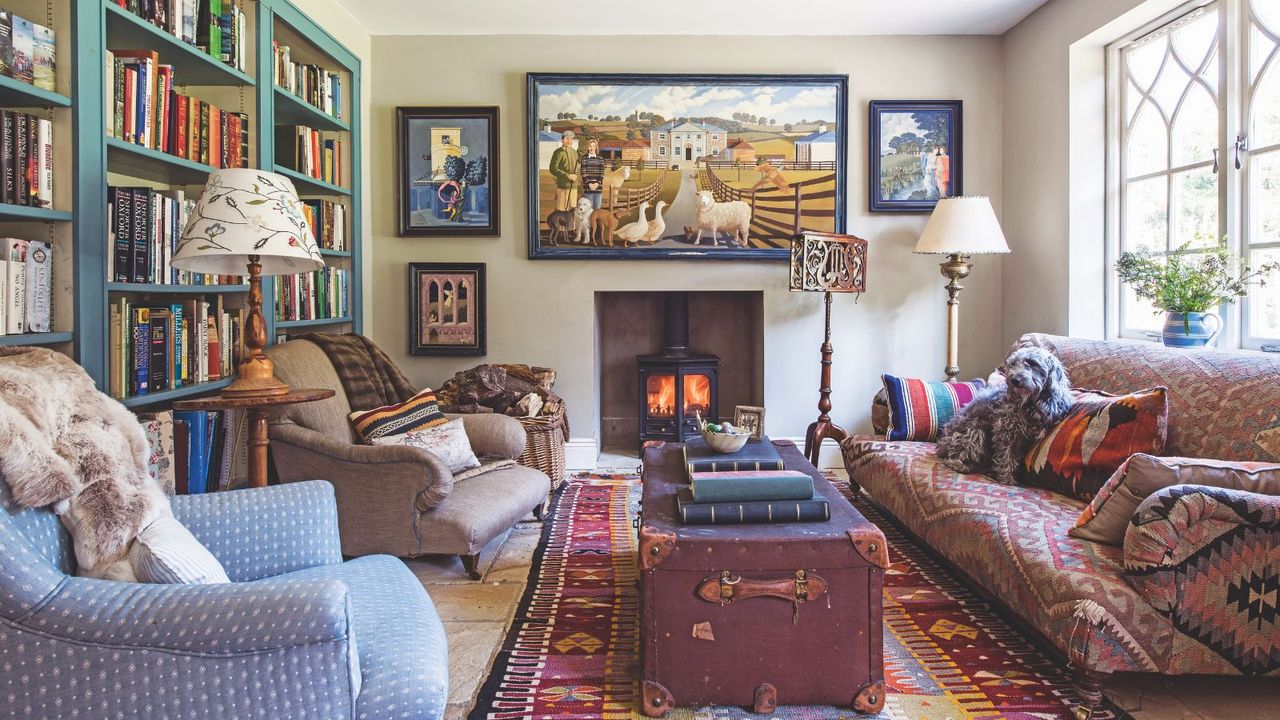
A cozy and eclectic living room with a library wall, lit wood burner, patterned large rug, vintage look trunk and a mismatched upholstered sofa and chairs.

Estate sales can be some of the best places to shop for vintage items. The selection can be vast, the pieces unique, and the prices low. However, it is often a very different experience from sourcing pieces at an antiques store or even buying from an online marketplace. Estate sales can be fast paced, competitive, and sometimes a bit confusing to navigate.

So it can help to know more about what to avoid at an estate sale then what to look out for at an estate sale. These sales can feel a bit like the Wild West, often with no refunds and no guarantees. There is no going back, so if you spend unwisely, you could come to regret it.

To help guide your next estate sale visit, we reached out to seasoned buyers and interior designers who decorate with antiques to get their advice on which pieces you should not bring home.

What Should You Avoid Buying at an Estate Sale?

Picking up unique pieces at estate sales is an ideal way to add character to any spaces, from kitchens to patios, but designers warn you have to approach some items with caution. (Image credit: deVOL Kitchens)

Generally speaking, most of the interior designers we spoke to love a good estate sale for sourcing antiques, as they offer all sorts of unique items, and you can examine pieces up close. However, broken items and those in need of significant repair are often red flags, such as damaged furniture, worn textiles and carpets, vintage lighting, and sets of items with missing parts. Of course, items with hygiene concerns, such as old cookware, mattresses, and bed linens, are also best avoided.

‘Do remember that many antiques need refurbishment. Don’t get carried away buying something thinking it is good value when it actually needs to go to the restorers. Factor in your prices, it could end up costing rather a lot or may just sit in the hallway gathering dust,’ advises Nicky Mudie, founder of Violet & George.

On the flip side, many expressed the opinion that collecting is individual and there can be a time and a place for everything, so don't necessarily be put off by certain items if you love decorating with vintage. ‘I can’t think of too many things to avoid at an estate sale because if you love it, it becomes your treasure even if it’s someone else’s trash,’ says Gaia Guidi Filippi, principal designer of Gaia G Interiors.

That being said, see this list of items not to buy at an estate sale as a bit of a warning, you might not always follow the rules, but do always consider why and what the plan is before you bring something home.

1. Damaged Furniture That's Beyond Repair

Vintage wooden furniture adds warmth to a room and works especially well to soften this white kitchen. (Image credit: Neptune)

Estate sales are wonderful places to pick up characterful pieces of wooden furniture which are often of superior quality to modern pieces and crafted with time-honored techniques. That said, it’s important to pay attention to their condition. While it can be tempting to be swayed by something at a bargain price in need of repair, it could end up being far more costly than it’s worth.

When it comes to materials, look for pieces crafted from solid wood like walnut or mahogany, advises Sara Swabb, founder of Storie Collective. ‘These timeless items have lasting value and can be restored or reimagined in a modern space. They bring a sense of history and character to any home.'

The odd scratch and scuff are part and parcel of antiques and add to their patina and unique charm, but take care with pieces riddled with woodworm damage or wood decay. ‘Wooden furniture with excessive holes – small holes or powdery residue could indicate woodworm, which can spread to other pieces in your home,’ advises interior designer Lauren Gilberthorpe.

In addition to rotting or damaged wood, be wary of pieces that aren’t sturdy, says Maryland-based interior designer Kelley Proxmire. ‘I avoid any wobbly tables and chairs. Some furniture can be repaired, but typically I avoid any wobbly furniture pieces, such as tables and chairs, because it is often too costly to repair them and the quality might be poor.’

A piece that every vintage lover needs in their toolkit is a furniture touch-up marker, this will quickly get rid of those smaller scratches, so don't be put off by those.

2. Heavily Worn Soft Furnishings

Tapestries are a huge trend this year, and the best designs are second hand. Just be aware of any stains, frays and damage when looking at estate sales. (Image credit: Albion Nord)

Whether used as artwork, cushions, or bedspreads, decorating with vintage textiles is a fabulous way to bring color, texture, and warmth to interiors as they often display unique patterns and skilled craftsmanship.

However, ‘unless they have undeniable vintage value, stay away from items that are too worn or damaged,’ advises Sara Swabb. ‘Stains or frays can take away from the beauty of the piece and often require costly repairs.’ With wool items, you’ll also need to look out for signs of moth damage.

Estate sales are often awash with old table linens, but unless they're in tip-top condition, it’s best to walk on past, says Kelley Proxmire. ‘I avoid old linens that are not perfect, such as yellow-toned linens. Yellowed old linens can rarely be cleaned to look crisp and fresh, so I would avoid them, as well as any bedding that is discolored. Also, be careful when selecting kitchen and table linens as some stains never come out.'

While vintage textiles can be incredibly beautiful, they also often come in irregular sizes and limited lengths. Unless you have an intended purpose in mind for the fabric, such as a cushion or a lampshade, then fabric remnants can have limited uses.

3. Old Carpets

Vintage rugs and carpets can add so much character to a room, as seen in this study. Just be very picky when buying at an estate sale, and ensure you aren't overpaying and the quality is there. (Image credit: Future)

As with vintage textiles, antique rugs and carpets can have problems, so they must be examined thoroughly before buying at an estate sale. And always make sure you see these pieces in real life. As Harriet Hansard, interior designer at Joanna Wood, says, 'When shopping for antiques, it’s always important to see things in real life. Photographs can often be misleading, and you can’t always be sure of the quality of the item. I would probably not buy an antique carpet for my house. They can often have wear and moth damage and require costly treatment and fumigation.'

Interior designer Lauren Gilberthorpe also stresses the need to be vigilant for moth damage when it comes to second-hand rugs and carpets. 'Moths can quickly infest other textiles, so always check for signs of damage before bringing vintage carpets home.'

A vintage rug can add so much character to a room, but just be aware that a good quality piece in a good size is going to be costly, so if the price is really low at an estate sale, it's likely too good to be true. If you want to create that same characterful, lived-in look, there are some beautiful vintage styles that won't have any wear and tear or moth issues. Ruggable's Calabria Coral Multicolor Rug has the same feel as a beautifully worn Persian Rug, and the Artemis Vintage Medallion Rug from Rugs USA also has that distressed look you are likely after.

4. Vintage Lighting and Electrical Items

Vintage-style lighting adds plenty of character to this cozy reading nook, but be aware that going for the real thing might need some time (and expense) to get into working order. (Image credit: Future)

Always take caution when buying electronics at an estate sale, especially the very tempting vintage lighting. Of course, pieces in working order can be a bargain, but in an estate sale situation, it can be hard to tell if it's in working order. It’s best to avoid broken lighting as these items may need considerable work before they are safe to use in modern settings.

'Vintage lighting and appliances often need rewiring to be safe for modern use. Unless you're prepared for the cost of professional restoration, they can be more trouble than they’re worth,' says Lauren Gilberthorpe.

Estate sale hunter Elizabeth White Cook, also tends to steer clear of vintage lighting. 'Unless it's purely for decorative purposes rather than function, I tend to avoid antique lighting. The wiring is often outdated and incompatible with modern bulbs, and I've ended up spending more on rewiring than on the fixture itself.'

If an item has been tested and you’ve fallen in love with it, ‘always test them before purchasing,’ says Sarah Jane, thrifting and vintage influencer. ‘Most estate sales will have all the lights on to demonstrate that they work, and since you're in someone’s house with access to outlets, it’s easy to check,' she adds. Bear in mind that ‘estate sales usually do not offer guarantees or warranties, so you may end up with a non-working item you cannot return.’

With whimsical, decorative lighting being such a big design trend right now there are plenty of replicas that you know will work with modern electrics. The Garda Sconce from Lulu and Georgia is something you would snap up second hand, but this so much easier to install.

5. Incomplete Sets

Mixing and matching crockery and glassware can create a lovely layered look, but to add some cohesivity, or if you want to sell sets on, always look for collections that are complete. (Image credit: Future)

Take extra care when buying items at an estate sale that come in sets such as silver cutlery services, tea sets, and games with counters. Of course, there’s no harm in buying a decorative piece of china or a teacup and saucer that’s caught your eye to put on display, but if you’re looking for something to hold its value, then it's best to buy a complete set.

‘When acquiring pieces that are part of a set, it is only recommended that you purchase a full set, or a quantity large enough to be useful and of interest to a collector,’ says Anthony Barzilay Freund. ‘Beautiful tableware, whether it be sterling silver flatware, crystal stemware, or porcelain dinner services, can often be found in like-new condition, and classic designs by Tiffany, Baccarat, and Royal Copenhagen still hold collectors’ interest.’

6. Ivory and Taxidermy

You can find all kinds of weird and wonderful things at estate sales, but do be aware that there are actually laws around materials like ivory and bone.

While the sale of elephant ivory items is generally prohibited, some antique ivory items are exempt and can be purchased if they meet the ESA antiques exemption rules. In order to legally purchase the item, it must come with the correct documentation, and at an estate sale that can be hard to get hold of.

'Stay clear of anything that is banned, such as ivory and scrimshaw, unless it has been verified,' advises Nicky Mudie of Violet & George. 'Personally, I am not that keen on taxidermy, especially animal heads.' Taxidermy is personal taste, but it can harbor some unpleasant surprises like pests, and older pieces might have been preserved with arsenic soap, so something you definitely don't want to bring into your home.


Estate sales can be a gold mine for finding great secondhand pieces at amazing prices, but it’s important not to be blinded by low price tags. Consider whether the piece is right for you and how much work you’ll need to put in to make it usable.

There are exceptions to these rules, and if you’ve fallen hard for an antique tablecloth or a slightly worse-for-wear chair, it’s not necessarily a hard no. As Molly Kunselman of Molly Kunselman Design explains, ‘Buy it because it speaks to you, not because you think it's valuable, trendy, or simply a great deal. If you find an item you love but it has a blemish, such as a ceramic piece with a small chip, buy it anyway. You can probably negotiate the price down due to the blemish, but more importantly, a small imperfection speaks to the story the piece is part of.’

Sign up to read this article
Read news from 100’s of titles, curated specifically for you.
Already a member? Sign in here
Related Stories
Top stories on inkl right now
One subscription that gives you access to news from hundreds of sites
Already a member? Sign in here
Our Picks
Fourteen days free
Download the app
One app. One membership.
100+ trusted global sources.