
Get all your news in one place.
100's of premium titles.
One app.
Start reading
TechRadar
TechRadar
Isaiah Williams

You can stop LG monitors that are reportedly installing bloatware on your Windows 11 PC, but the fix shouldn't require this much effort

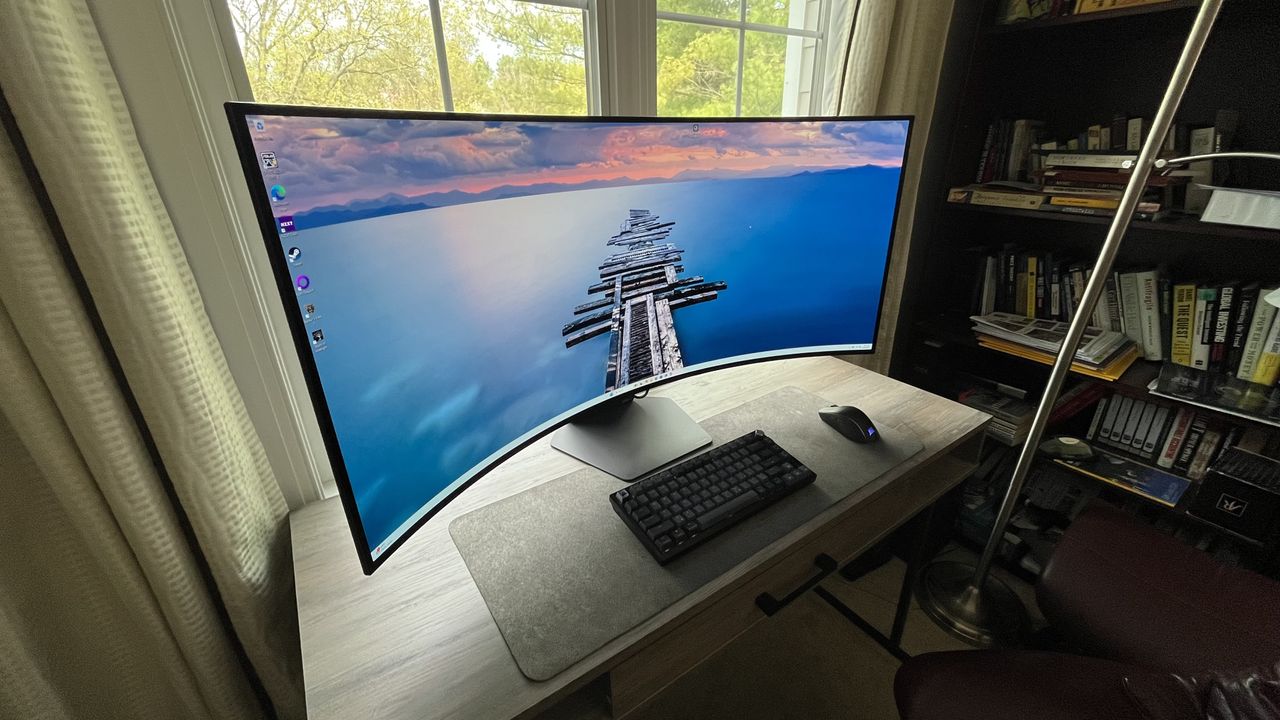
An LG Ultragear GX9 on a desk.

Update: We reached out to LG for a statement, and it has denied claims of auto McAfee installations, stating: "LG Electronics reiterates that McAfee is not installed automatically and is never installed without the user’s explicit consent. The LG Monitor App Installer is distributed through Microsoft’s official Windows distribution process, which included McAfee as an option.

"McAfee will be installed only if a user actively chooses to proceed with the installation and provides consent. Under no circumstances is McAfee installed automatically or without user authorization. The LG Monitor App Installer does not access, collect, or transmit any customer personal data."

Original story follows below...

  • LG monitors are reportedly installing bloatware on Windows 11 PCs
  • The LG Monitor App Installer carries a McAfee pop-up and is automatically installed when connecting an LG monitor to a PC
  • There's a fix for this, but it's a rather fiddly affair

It's no secret that Windows 11 users have voiced frustrations regarding bloat on the operating system for years, and unfortunately, LG's monitors are reportedly making the situation worse.

As reported by Windows Latest, LG monitors are installing McAfee bloatware on Windows 11 PCs without consent, and there's evidence of this in the changelog of LG's monitor app on the Microsoft Store.

Even if you don't install the app yourself, Windows Update will do so, and then treat you to a McAfee pop-up. All you have to do is plug in the LG monitor to your PC, and the automatic installation of McAfee is also shown by checking the Windows Reliability Monitor, which documents a 'successful Windows update' for the LG Monitor App Installer package.

We've reached out to LG for a comment, but haven't received a response yet. In the meantime, though, there appears to be a fix that requires users to do the following: press the Windows key and R, and type 'gpedit.msc', then hit Enter.

From that point, navigate your way to Computer Configuration > Administrative Templates > System > Device Installation > "Prevent automatic download of applications associated with device metadata", then select the 'Enabled' box and apply.

(Image credit: Microsoft)

In theory, this should stop any unwanted applications from being installed, specifically with devices like LG monitors that do so via device metadata.

And if you already installed the LG monitor app manually, you should remove it, because as noted, the description on the Microsoft Store suggests McAfee is a fundamental part of the monitor application.

Bloatware can be problematic for Windows 11 users because it hogs system resources, and LG is adding to that system drain, not to mention the annoyance of continually seeing that pop-up.

Alongside LG, Microsoft hasn't provided a statement on the matter yet. I'd expect Windows 11 users will want an answer of some kind, especially because of the rather fiddly steps involved to prevent these automatic installations — and frankly, this shouldn't require extra effort from anyone.

Sign up to read this article
Read news from 100's of titles, curated specifically for you.
Already a member? Sign in here
Related Stories
Top stories on inkl right now
One subscription that gives you access to news from hundreds of sites
Already a member? Sign in here
Our Picks
Fourteen days free
Download the app
One app. One membership.
100+ trusted global sources.