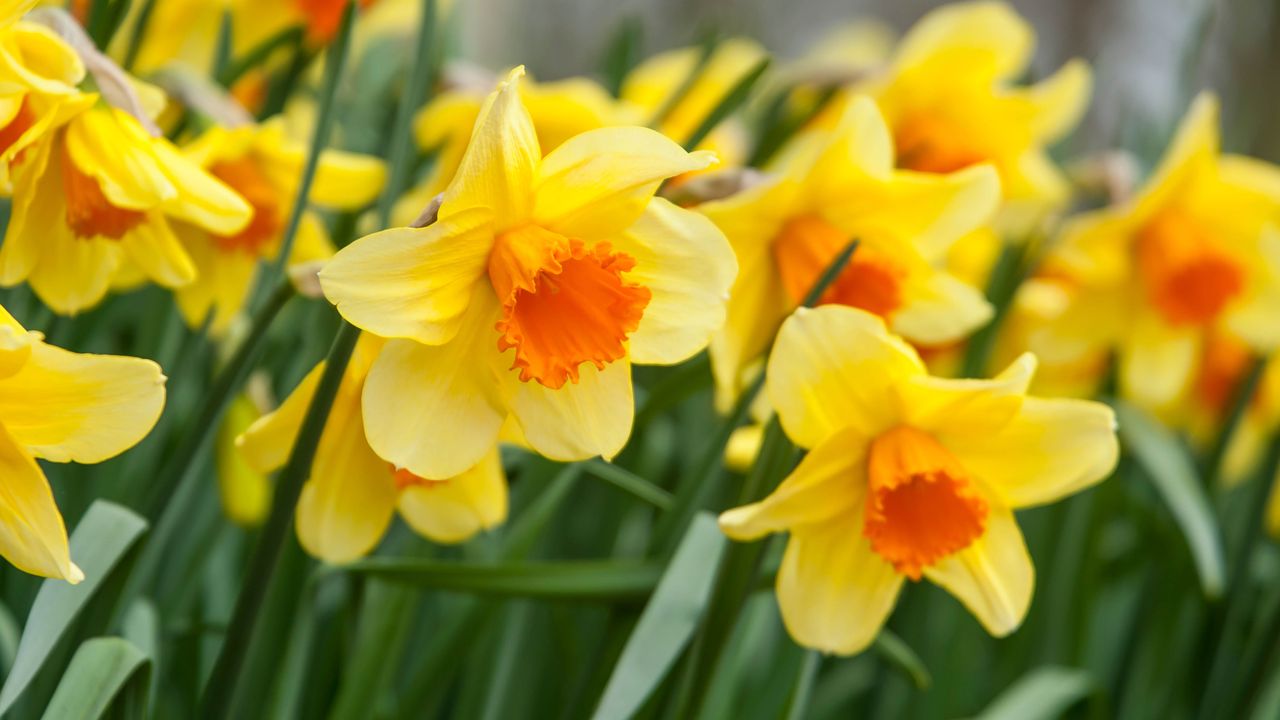
You're seeing daffodils blooming in neighbors' yards and suddenly remember the bag of bulbs sitting in your garage since fall. March is here, the ground is thawing, and you're wondering if it's worth planting them now or if you've completely missed the window.
Daffodils are supposed to go in the ground in fall (September through November) so they experience the cold period needed to produce strong spring blooms. But that doesn't mean March planting is impossible. It's just less predictable.
Here's what happens when you plant daffodil bulbs in March and how to give them the best chance of blooming.
It's not too late, but don't expect full blooms
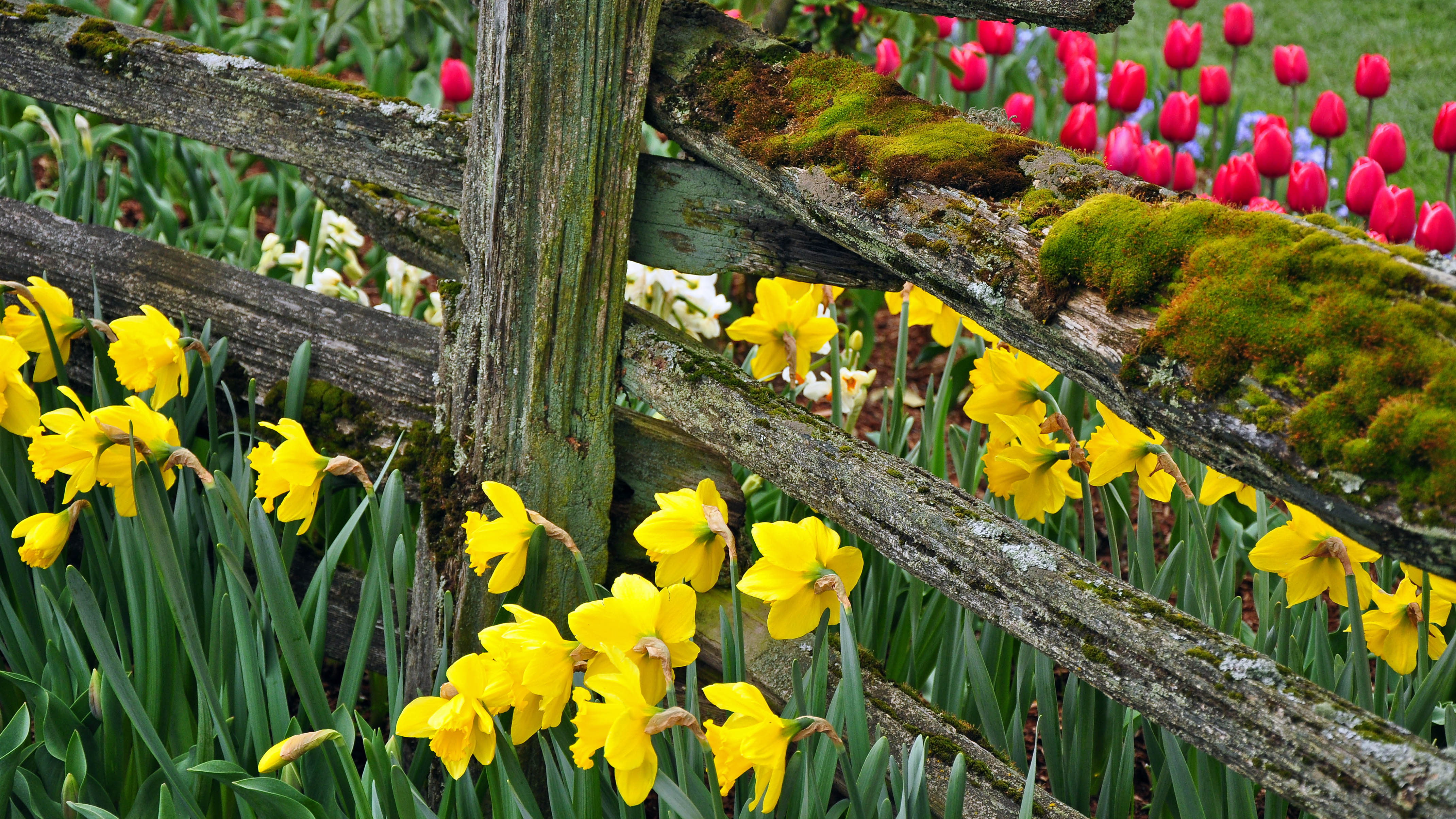
March is one of the last chances to plant daffodil bulbs before spring progresses too far. The ground needs to be thawed and workable — if it's still too cold or waterlogged, plant bulbs in containers with potting soil instead.
The catch: bulbs planted this late miss most of the cold period they need for strong blooms. Fall-planted bulbs spend months developing roots in cold soil before shooting up in early spring. March-planted bulbs skip that process.
Blooms from March-planted bulbs will likely be scarce and appear later than usual, possibly May or early summer instead of early spring. Many bulbs won't bloom at all this year and will flower the following spring instead after establishing roots.
For guaranteed blooms this spring, buy already-sprouting bulbs from garden centers and plant those in containers. They'll flower quickly since they've already gone through the cold period.
How to improve your chances
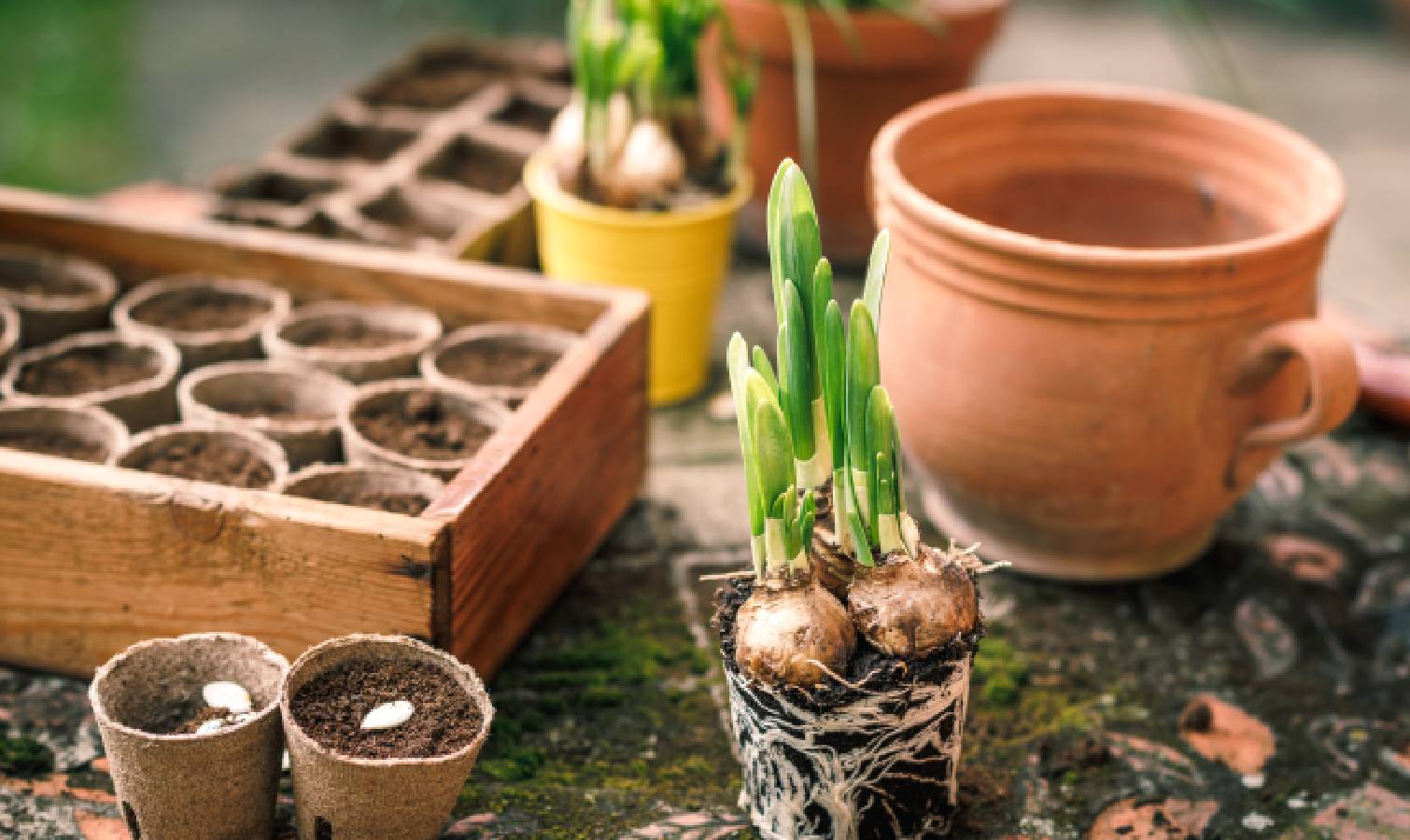
If you still want to plant the bulbs you already have, focus on giving them the best possible conditions now to encourage late-spring growth.
Plant bulbs in containers rather than directly in the ground so you can control their environment. A greenhouse, conservatory, or bright indoor spot will provide the warmth they need to kickstart growth more quickly than unpredictable March weather outdoors.
Use well-draining soil and plant each bulb with the pointed end facing up. It's also important to bury them about six inches deep — roughly three times the height of the bulb. Water thoroughly after planting, then keep the soil consistently moist but never waterlogged.
If you happen to have time to plan ahead for future seasons, bulbs can be pre-chilled in the refrigerator for around 10 weeks to mimic winter conditions — but at this stage, it’s best to focus on warmth, light, and good drainage.
Even with ideal care, there’s no guarantee bulbs planted now will bloom this spring. However, they won’t go to waste: if they don’t flower this year, they’ll establish roots and are likely to bloom reliably next spring instead.
What to do with bulbs that don't bloom
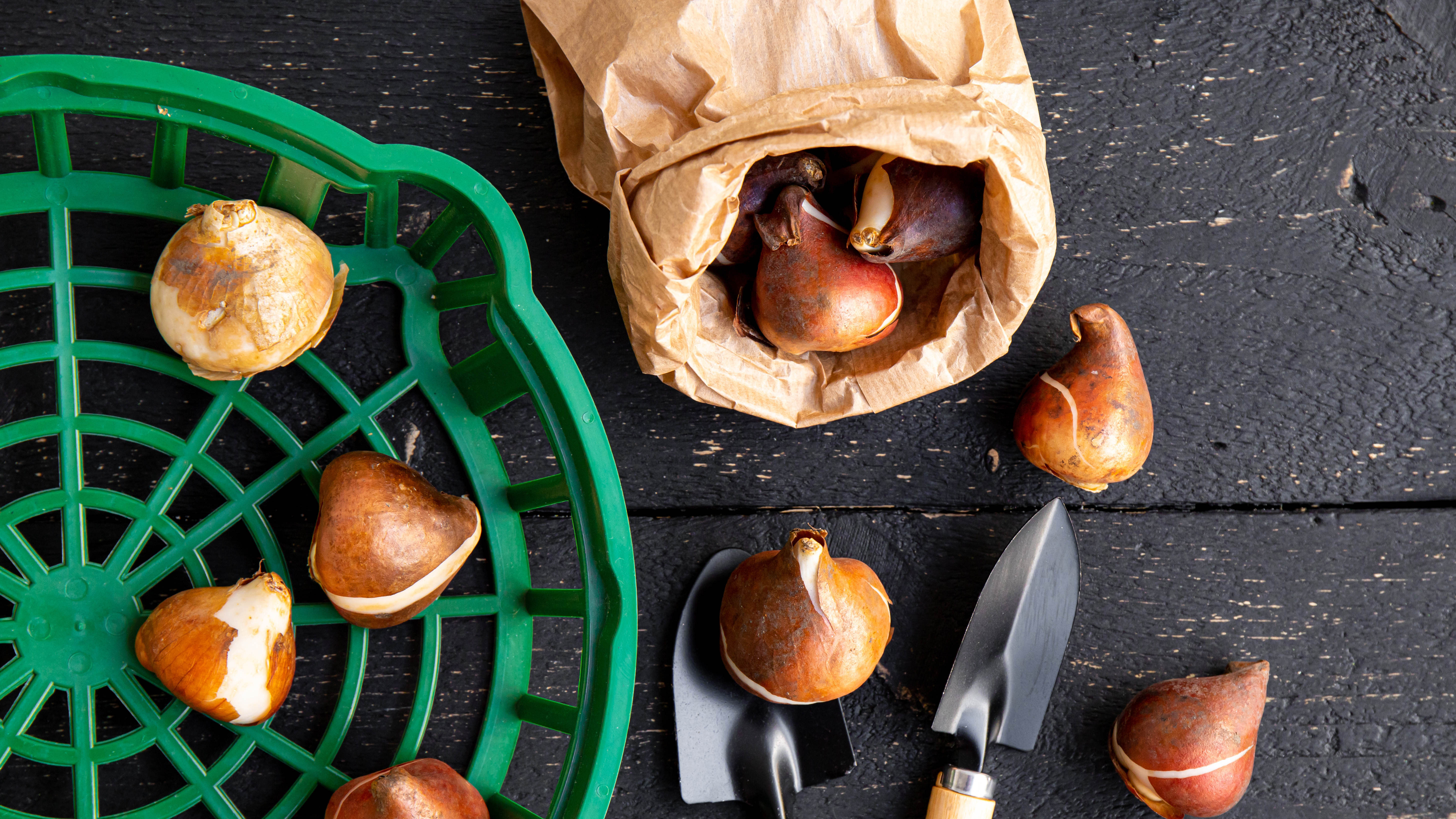
If your March-planted daffodils don't bloom this spring, leave them in the ground. They're establishing root systems and storing energy for next year's growth.
Let the foliage grow and die back naturally. The leaves photosynthesize and feed the bulb, strengthening it for future blooms. Cutting foliage too early weakens the bulb.
Water occasionally through summer if rainfall is scarce. Next spring, those same bulbs will likely bloom as if they'd been planted in fall. The first year's delayed or absent blooms are the price of late planting.