Many of the world's greatest successes had doubters at one point or another. Speed metal pioneers Motorhead were voted the 'Worst Band in the World' by NME ahead of their debut album, and the script for Back to the Future was famously rejected dozens of times before it went into production. The Last of Us is no different, as a higher-up at Sony failed to see the potential of the zombie horror on first impression.
"Some high-level executive at Sony looked at the game, and was supposed to give a marketing budget for The Last of Us, looked at it and said, 'It's not going to do very well, I think it just needs a small marketing budget,'" Quentin Cobb, a former designer on The Last of Us, tells Kiwi Talkz (video below).
"People did not know how good that game was," he says. "Even inside the studio. Where we were done, there were some people that were like, 'I don't know if it's going to be good, I don't know if people are going to get it.'"
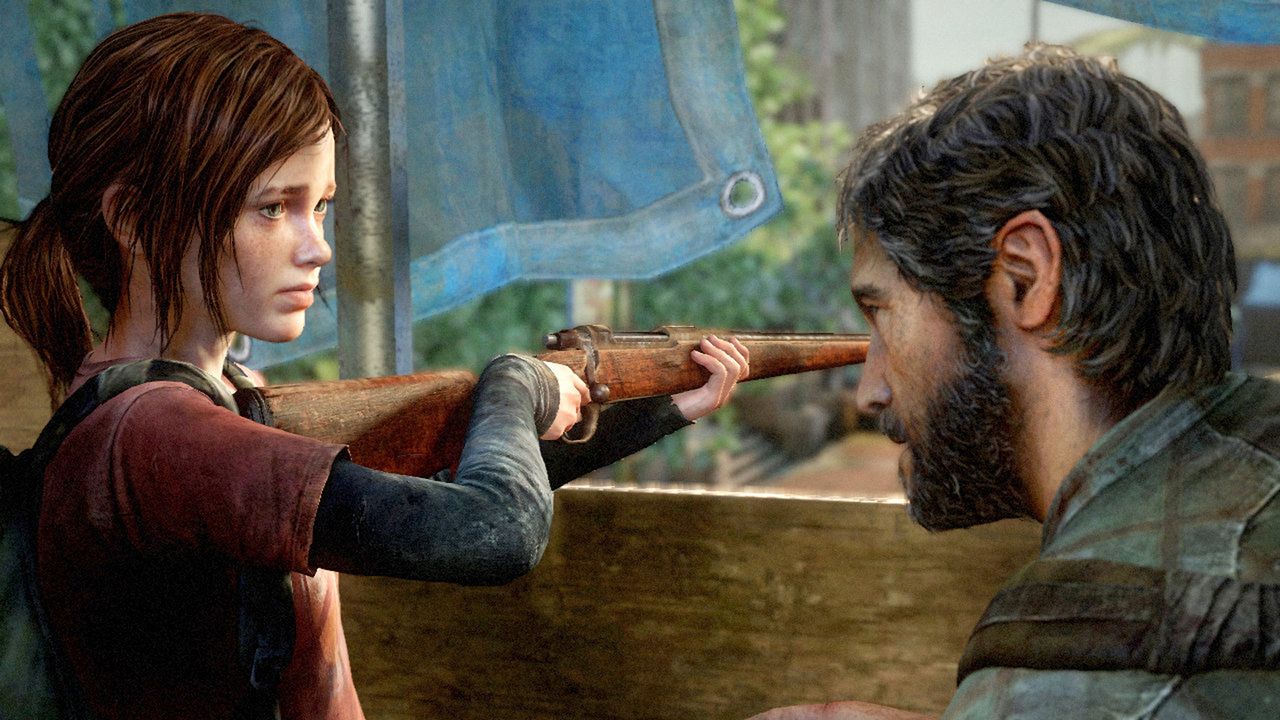
At risk of stating the obvious, Joel and Ellie's journey across the Cordyceps-torn United States managed to strike a chord with players the world over, to the point that it's one of the biggest PlayStation series ever. That's quite the feat considering there are only two actual entries.
But, as Cobb explains, the first installment arrived in a different landscape within Naughty Dog. "They had just done Uncharted 3," he points out. "And going to The Last of Us, it was just so different. That's an intense, pretty wild game, if you think about it, in 2013. People didn't know."
Even beyond the contrast between Nathan Drake's harebrained misadventures and crawling through infestations of zombified people, The Last of Us was bigger and more mainstream than survival horror tends to be. The Silent Hill and Resident Evil games had production values and big fanbases, sure, but without crunching any numbers, I doubt they were ever on the same scale as what Naughty Dog commanded as a flagship studio for Sony.
And now it's a successful TV show and all! Somehow, I don't think anyone at HBO doubted whether it would do numbers.