
What you need to know
- Xreal claims that Viture is using Xreal's patents unlawfully in several pairs of smart glasses sold in the U.S. and Europe.
- Xreal previously filed suit in Germany in late December over the same claims, as the company also holds patents in that country.
- Viture previously stated that it had "formally filed an opposition against Xreal's claim, citing Xreal's claim to be unfounded.

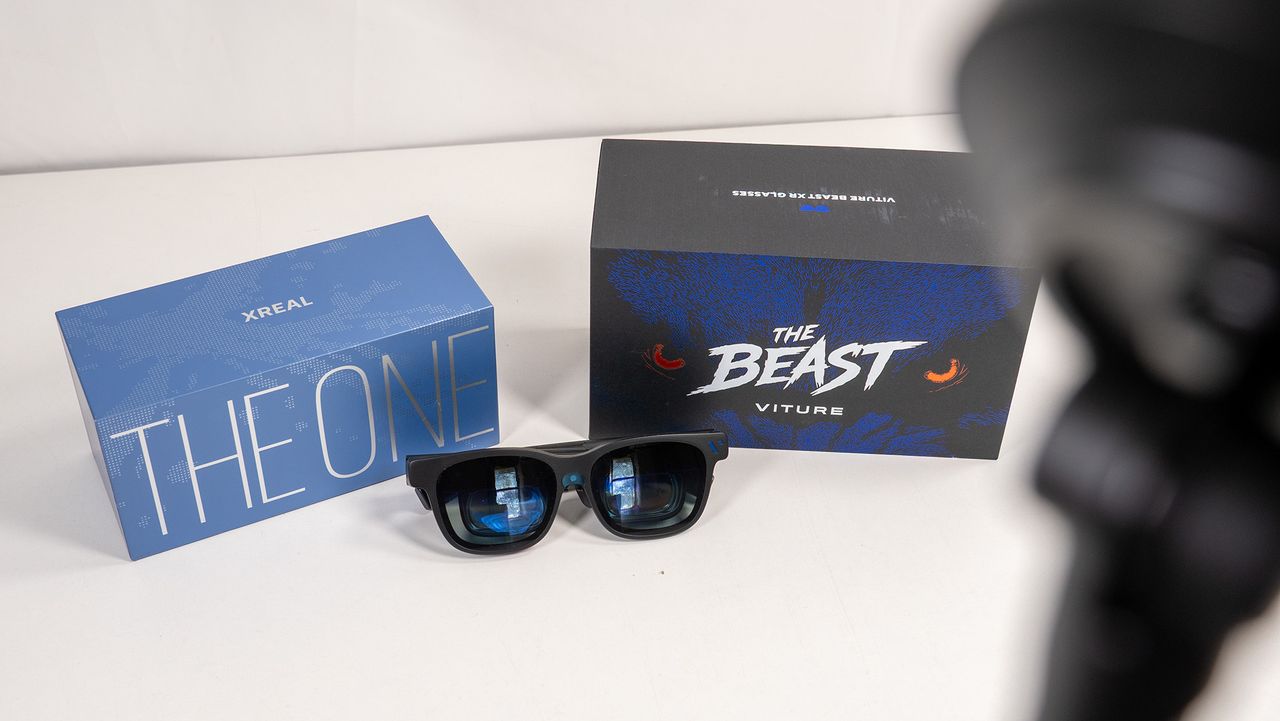
Viture and Xreal make some of the best smart glasses you can buy, and both companies specialize in XR glasses, also known as smart display glasses. While products from both companies are comparable in many ways, Xreal alleges that Viture's technology is simply too similar to their own to be a coincidence, and the company filed a patent lawsuit in late December in Germany to challenge that claim.
Now, Xreal is taking the fight to another country in which it holds patents — the United States — making the same claims that Viture is unlawfully utilizing Xreal's U.S. Patent No. 11,988,839 in specific models of smart glasses. Xreal specifically names the Viture Pro XR glasses as the model leading to infringement, but states that other Viture glasses may fall under the umbrella, depending on what the court decides.
Xreal says it's making moves to defend its patents ahead of expected massive market growth in XR glasses. Xreal cites a research firm's claim that the market will grow 6x in the next 10 years, becoming a nearly $700 billion market by 2035. Given that Meta is reportedly doubling or tripling its AI glasses shipments, it's clear that big growth is happening.

Android Central was unable to reach out to Viture ahead of the news for comment, but will include a statement from Viture once the company has prepared one. Viture's previous statement was included in our article about the lawsuit in Germany back in December.
Viture claims the patent was filed recently, but Xreal says the patent dates back to 2018 and was only granted in 2024, hence the discrepancy. I spoke with Anshel Sag, Principal Analyst at Moor Insights & Strategy, ahead of the news, as he was also briefed on the matter, and he confirmed the dates to me.
Furthermore, Sag told me that "the patents that Viture has aren't even filed in the US, which is in contrast to XREAL, which has both patents in the US and Germany." Xreal maintains that they hold over 800 patents worldwide and says Viture only holds around 70, although this number is difficult to confirm.

Xreal was founded in Beijing in 2017 and filed the patent in question roughly one year after its founding. Xreal began as Nreal but changed the company name in 2023. Viture was founded in 2021, also in Beijing.
History often repeats itself, so it's unsurprising to see that Magic Leap sued Xreal, then called Nreal, back in 2019 over nearly identical claims of using patented designs. Exactly one year later, U.S. courts rejected Magic Leap's claim, stating that there was insufficient evidence to prove the company's claims.
Whether this same outcome plays out with this case remains to be seen. If the courts confirm Xreal's claim, Viture will likely end up needing to pay Xreal a licensing fee or face a product ban in the U.S. and Germany until its designs are changed. Until then, Viture and Xreal's glasses remain on sale at Amazon and Best Buy.