Fifteen new physician training programs are being planned in rural communities across 14 states with $11.2 million in federal grants, but patients in those towns should not expect new doctors soon. The U.S. Department of Health and Human Services (HHS), through the Health Resources and Services Administration (HRSA), announced the Rural Residency Planning and Development awards on Sept. 4.
Each recipient can receive up to $750,000 over three years to plan a residency. That money covers accreditation, curriculum, faculty recruitment, and resident recruitment, not patient care. Residency training itself then takes at least three years in family medicine, so physicians trained under these grants are likely several years from independent practice.
For families in places like Buffalo, Wyoming; Winslow, Arizona; and Vernal, Utah, the grants are a long-term bet on a simple pattern: doctors often stay where they train. In the meantime, the people who feel the gap most are those who already drive the farthest for care, including pregnant patients, older adults with chronic illness, and families in towns that have lost a local clinic.
Where the Grant Money Is Going
HRSA's award list includes Winslow Memorial Hospital in Arizona, which received $750,000 for a family medicine program serving the Hopi and Navajo Nations. In Utah, the University of Utah received $749,641 and IHC Health Services, part of Intermountain Health, received $750,000, with a program planned for Vernal, Wyoming Public Media reported. The University of Wyoming received $749,881 for a family medicine residency in Buffalo, modeled on an existing rural program in Thermopolis.
Other awards went to Oroville Hospital in California, Crisp Regional Hospital in Georgia, Ozarks Medical Center in Missouri, Comanche County Hospital Authority in Oklahoma for psychiatry, Western Reserve Health Education in Ohio for general surgery, and organizations in Florida, Louisiana, Nebraska, Tennessee, Wisconsin and West Virginia. The specialties include family medicine, internal medicine, preventive medicine, psychiatry and general surgery.
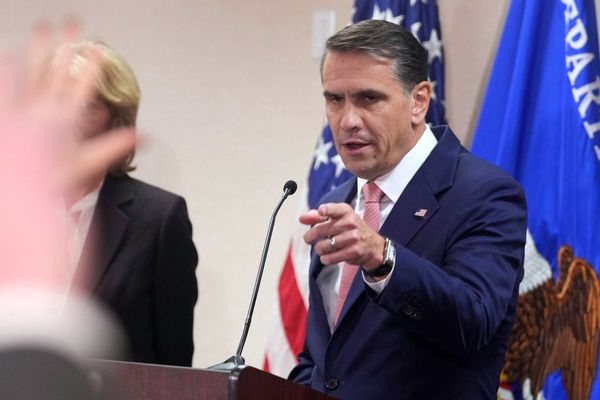
"Where you live should not determine whether you can find a doctor," HHS Secretary Robert F. Kennedy Jr. said in the HHS announcement.
HRSA Administrator Tom Engels framed the awards as workforce planning. "With the nation facing health workforce shortages today, we need to build the pipeline now," he said.
Organizations in Arizona, Montana, Nevada and New Mexico received the same grant in earlier years, according to Wyoming Public Media.
The Long Road from Grant to Exam Room
Beth Robitaille, who leads graduate medical education at the University of Wyoming, told Wyoming Public Media why location matters. "Physicians tend to stay close to where they train after they graduate. If they train in rural areas, they tend to practice in rural areas," she said.
Family medicine dominates this round for a reason. Robitaille said family doctors can deliver babies, manage diabetes, and respond to heart attacks, making them a strong fit for towns that lack many kinds of specialists. "We're the jack of all trades because we can do a little bit of everything," she said.
She added that Wyoming trails neighbors such as Colorado and Idaho, which have built rural residencies for years. "We're kind of behind the eight ball in that sense," Robitaille said. Part of Wyoming's staffing and faculty costs will come from the state's share of the federal Rural Health Transformation Program, she said, and the university is working with the national organization Rural GME to help design the Buffalo program.
Recipients must also plan how to keep their programs running after federal support ends, drawing on Medicare, Medicaid and other public or private funds. That step is often the hardest for small hospitals with thin budgets.
The track record suggests many programs do open. Before this round, HRSA had invested nearly $77 million across 36 states and one territory since 2019. As of July 2026, that work had produced 66 accredited rural residency programs, 818 approved residency positions and more than 850 residents training in rural settings, according to HHS.
The gap remains wide. Only about 2% of residency training happens in rural areas, according to HRSA's program overview.
Care Options While New Programs Take Shape
For households, the practical question is how to get care in the meantime. Residents can check whether their address is classified as rural using HRSA's rural status lookup tool, which can help when applying for programs tied to rural or shortage areas.
Community health centers offer sliding-scale fees based on income and often provide primary, behavioral, and dental care in one place. Telehealth visits, covered by many insurance plans, can handle follow-ups and prescription refills, though emergencies still require in-person care.
People managing chronic conditions such as diabetes or heart disease can reduce disruption by keeping a current medication list, requesting refills early, and asking their clinician which symptoms need a same-day visit and which need an emergency room.
The next milestones are accreditation and each program's first resident match. MedicalDaily will report when programs in Arizona, Utah and Wyoming announce start dates.
Key Questions Answered
What did HHS announce?
$11.2 million to help plan 15 new physician residency programs in rural communities across 14 states.
Which programs are in the Mountain West?
Winslow Memorial Hospital in Arizona, the University of Utah and IHC Health Services in Utah, and the University of Wyoming, which is planning a program in Buffalo.
How much does each recipient get?
Up to $750,000 over three years for planning and development.
When will new doctors start seeing patients?
Planning can take up to three years, and family medicine residency adds at least three more, so fully trained doctors are years away.
Why train doctors in rural areas?
Physicians who train in rural settings are more likely to practice there, according to HRSA.
Where can rural residents get care now?
Community health centers, telehealth and local clinics remain the main options while programs develop.
Published by Medicaldaily.com