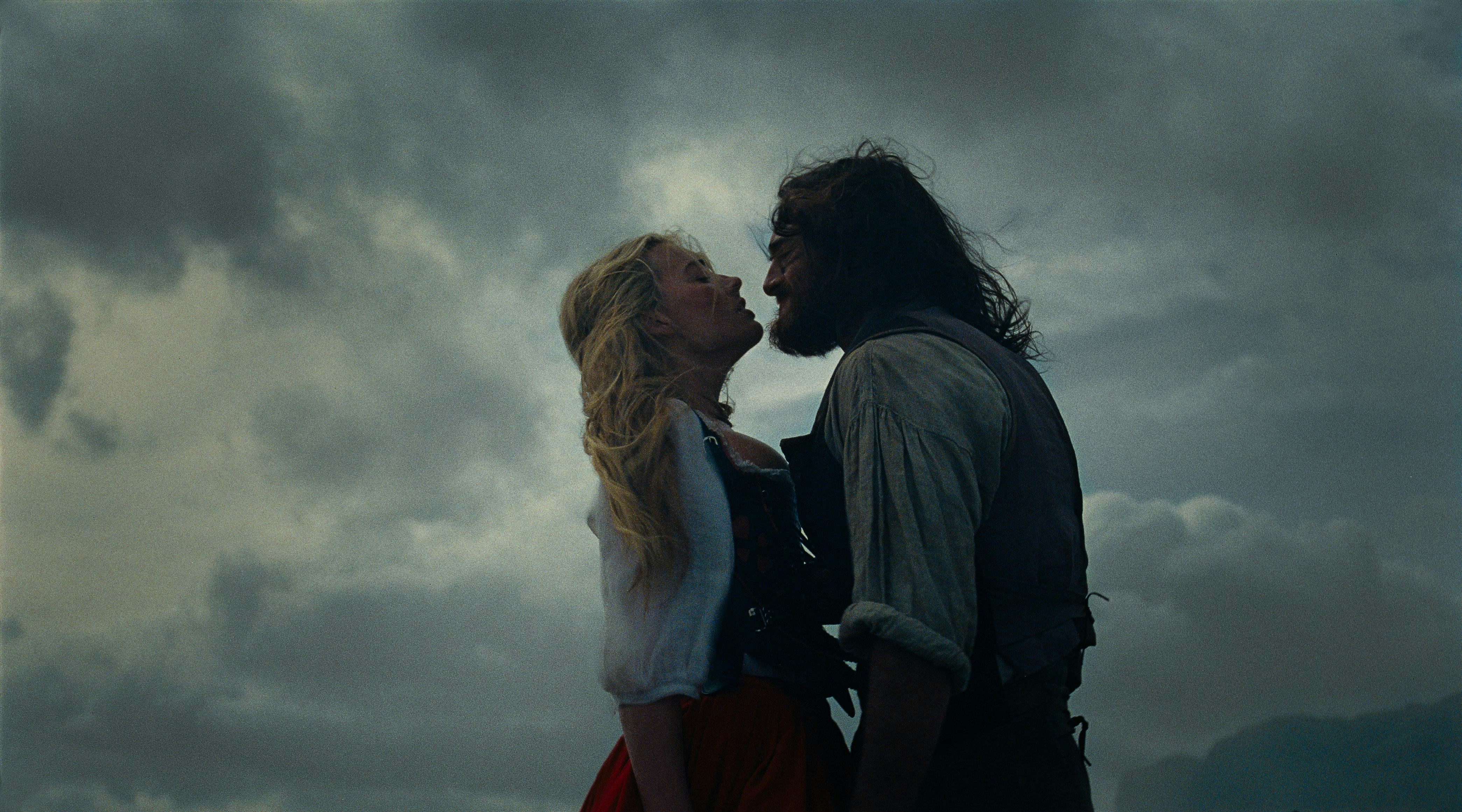
Even with just two feature films under her belt, one has come to expect a certain level of depravity from Emerald Fennell. The director of Promising Young Woman and Saltburn has built a brand out of wicked acts; love her or hate her, you can at least trust her to push, to provoke, where others would never think to. She’s a curator of scandalous shocks, and though most are a flash in the pan, Fennell seized a plum opportunity to defy that streak with Wuthering Heights. The classic novel by Emily Brontë is the original dark twisted fantasy, but it’s been interpreted so many times, only a mind like Fennell’s could mine something new from the material — even if it means bastardizing it completely.
Like thorns choking a garden wall, discourse sprang up around the film from the moment Fennell unveiled her racy vision for it. But what’s disappointing about Wuthering Heights is its failure to actually meet the moment. The internet imagined a play on pulpy, horny Harlequin novels, or a cheeky self-insert framing with Margot Robbie’s Catherine Earnshaw, but Fennell takes no such swings here. Her Wuthering Heights is neither totally apocryphal nor all that scandalous, leaving us to wonder why it needed to be resurrected in the first place.