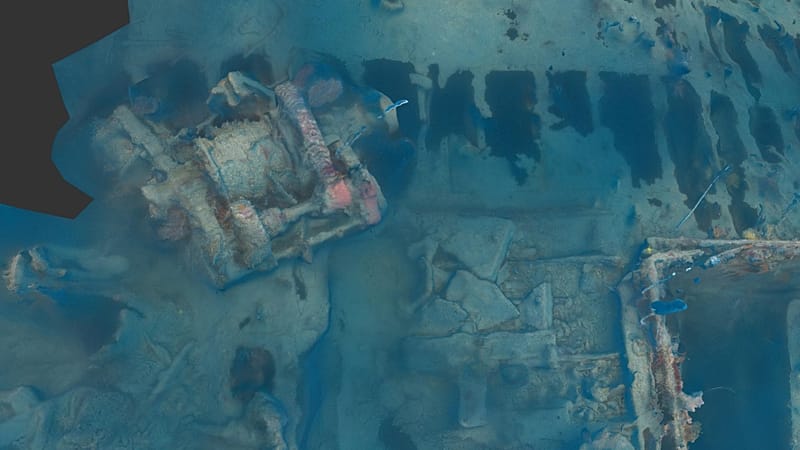
On 21 September 1944, the Hofuku Maru was sailing as the second ship in a Japanese convoy off the western coast of Luzon. On board were 1,289 British and Dutch prisoners of war, many of them already weakened after being forced to work on the so‑called Burma–Thailand “Death Railway”.
The conditions were extreme: no light, inadequate ventilation, no sanitation, and food and water rations barely sufficient to survive. The ship carried no markings to identify it as a prisoner transport.