Pelvic problems in women are rampant and can take a toll on their overall well-being. It not only lead to discomfort but also impact their emotional and psychological well-being. Various problems such as urinary incontinence (accidental loss of urine causing wetting), fecal incontinence, prolapse (unintentional loss of stool), menstrual cramps, endometriosis, uterine fibroids, pelvic inflammatory disease (PID) means the infection of the uterus, fallopian tubes or ovaries, pelvic floor dysfunction (this condition affects the ability to control pelvic floor muscles), urinary stones can lead to pain and disrupt one’s daily routine. Hence, many women will experience pressure sensations, urinary or bowel irregularities, heavy bleeding, and stress.
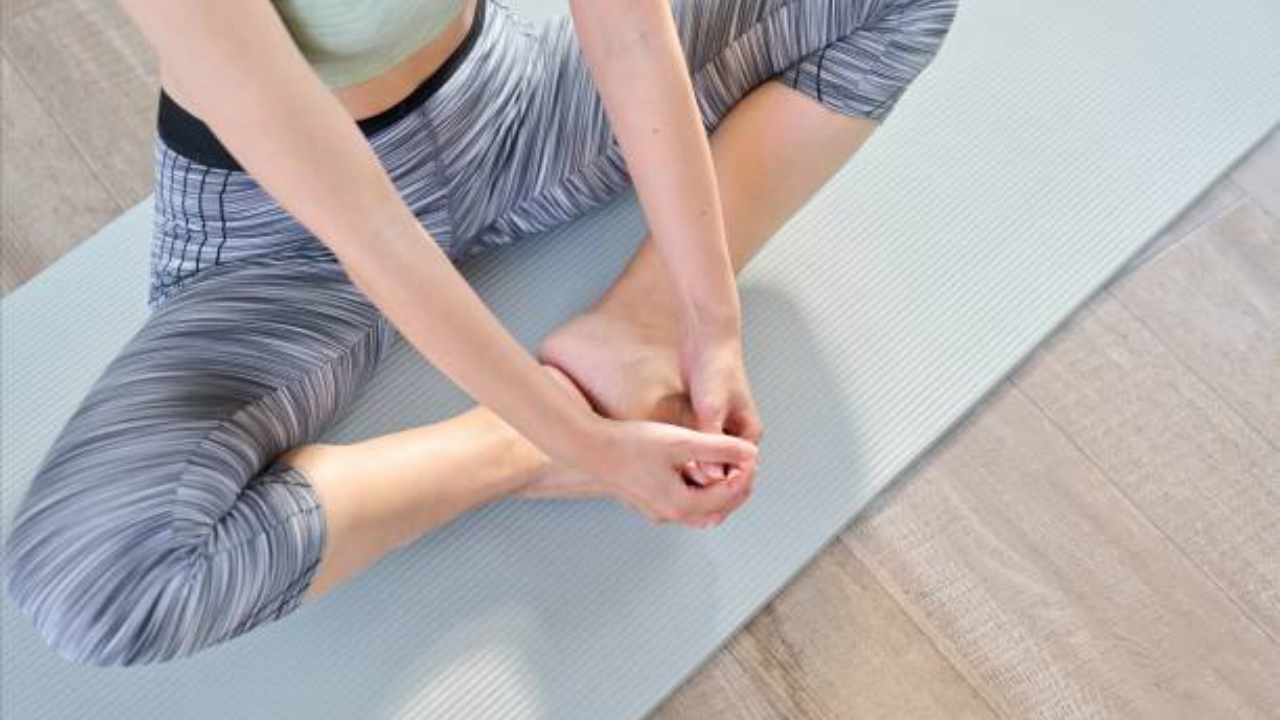
All these problems will require timely intervention. Diet modifications, medications, better posture, regular exercise, and weight loss, muscle relaxants, hormone treatment can be important in helping women manage pelvic problems. However, pelvic floor exercises will be beneficial for these women to overcome pain and strengthen their muscles.