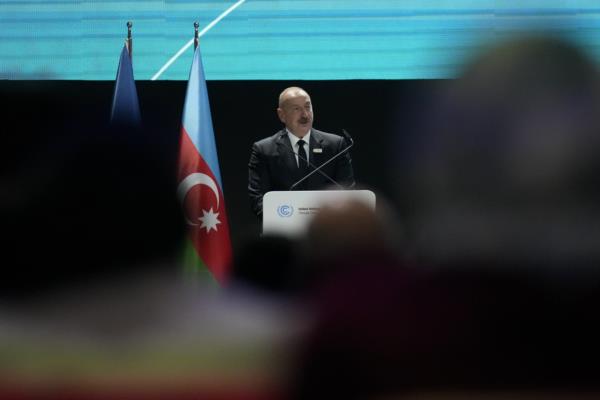
At the United Nations' annual climate conference, more than two dozen world leaders shared firsthand experiences of the devastating impact of climate change on their nations. Small island nations like Grenada and Antigua and Barbuda highlighted the urgent need for stronger climate action, emphasizing that the burden of inaction falls on future generations.
Leaders from the High Ambition Coalition called out big emitters for not taking responsibility for their contributions to climate change, with some small island nations considering seeking justice and compensation in international courts due to unfulfilled promises of financial aid.
European leaders also voiced concerns about the increasing frequency of extreme weather events on their continent, with Croatia, Albania, and Greece citing recent floods, heatwaves, and droughts as evidence of the urgent need for action.
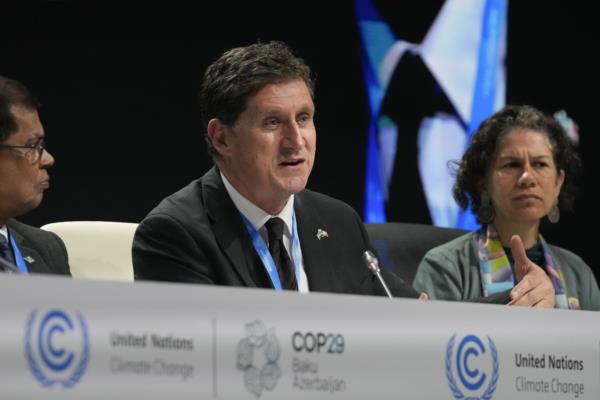
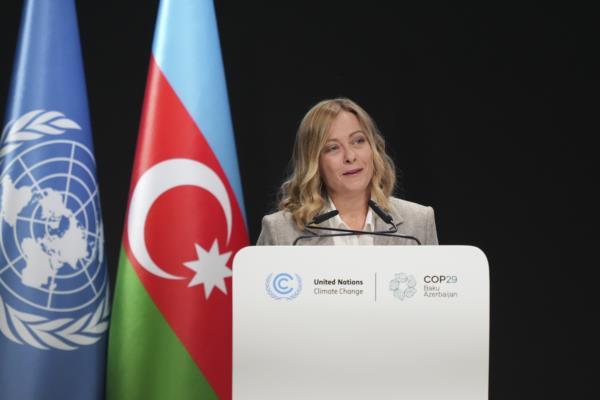
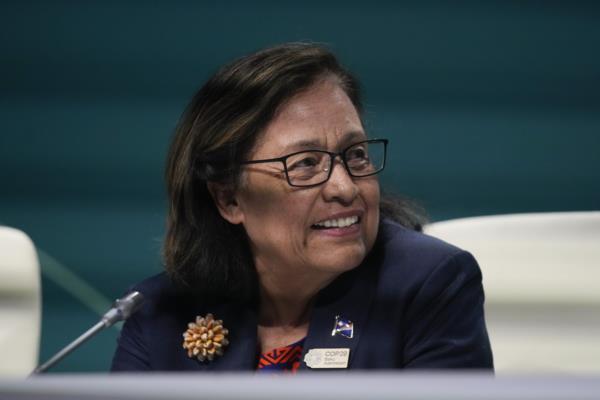
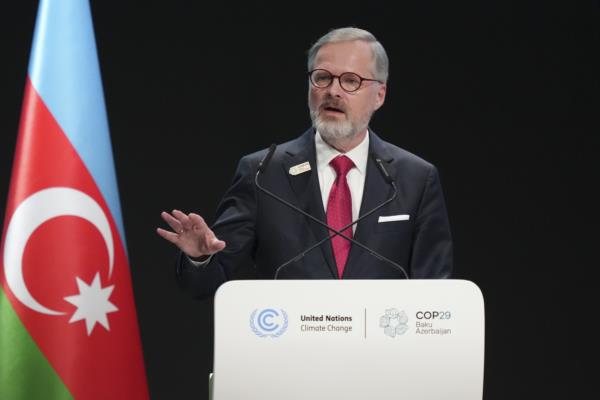
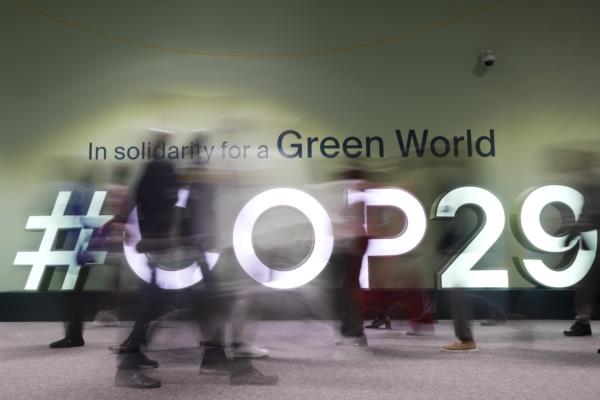
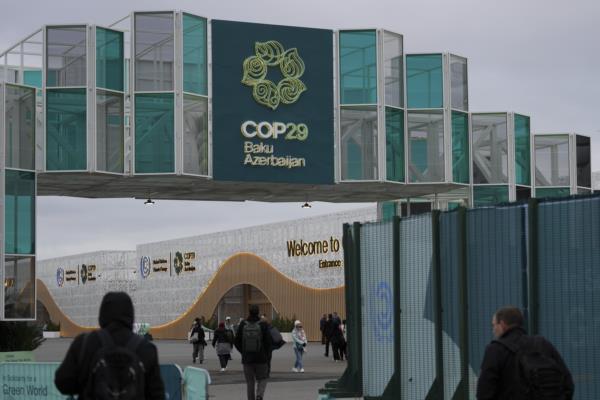
The summit aims to reach a consensus on financial pledges from developed countries to support climate adaptation and clean energy transitions in developing nations. Negotiators are working to finalize a deal amidst various options outlined in the draft agreement, including a call from developing countries for $1.3 trillion in climate finance.
Despite the challenges, there is a sense of hope and determination among leaders to address the climate crisis. The Paris Agreement process, which aims to limit global warming to 1.5 degrees Celsius, is seen as a resilient framework for collective action.
As the conference progresses, the focus remains on fostering solidarity, continuity, and commitment to combat climate change and protect the planet for future generations.