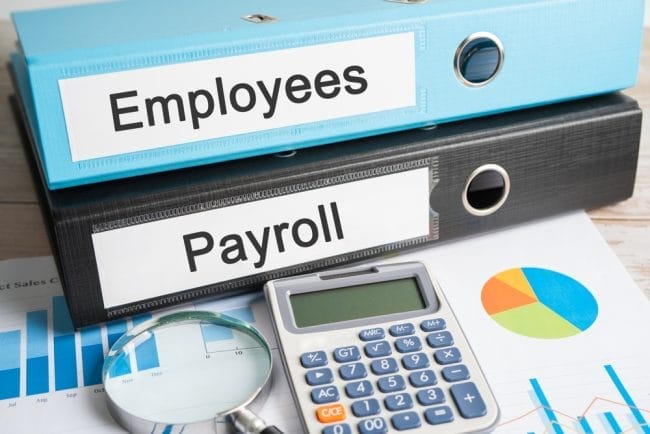
If you looked at your first paycheck of February and thought the math seemed a little “off,” you aren’t imagining things. A significant shift in federal payroll regulations, combined with a rare calendar anomaly in 2026, is causing a wave of confusion across human resources departments nationwide. While the government claims these changes are for long-term stability, the immediate result for many middle-class workers is a smaller take-home amount than they saw in January. This isn’t just about taxes; it’s about how your annual salary is being sliced and diced by new compliance software. Here is the investigative truth about the Workers Alert and what you need to verify on your pay stub before the month ends.
The 27-Pay-Period Anomaly
For those paid bi-weekly, 2026 is a “leap year” for payroll. Because of how the calendar falls, many companies will have 27 pay periods this year instead of the usual 26. To keep your annual salary consistent, some employers are recalculating your bi-weekly gross pay by dividing by 27.
Honestly, this means your individual checks will be smaller all year long. While your total annual pay remains the same, your monthly cash flow is taking a hit right now. Many workers weren’t properly notified of this “recalculation method,” leading to a shock when the February bills come due. Check your gross pay amount; if it’s lower than December, this is likely why.
New Deductions for Benefits and 401(k) Limits
Combined with the calendar shift, new federal thresholds for 401(k), HSA, and FSA contributions have officially kicked in. If you have “auto-increase” features turned on, your deductions might have jumped significantly this month. Additionally, many insurance premiums have been adjusted for the new plan year.
Surprisingly, if your company is using the 27-pay-period model, they may also be adjusting how much they take out for benefits to ensure you don’t hit your limits too early. This double-whammy of a lower gross and higher deductions is the core of the Workers Alert. You are essentially paying more for your future at the expense of your present grocery budget.
The FLSA Salary Threshold Hike
The Department of Labor has also implemented new revisions to the Fair Labor Standards Act (FLSA) regarding “highly compensated” employees and overtime exemptions. Some workers who were previously exempt may now find themselves in a different category, impacting how their bonuses or commissions are taxed and distributed.
On the other hand, if your company was affected by the brief government “lapse in appropriations” earlier this week, your payroll processing might be delayed or subject to retroactive adjustments. It is a messy time for accounting. Take ten minutes to sit down with your pay stub and a calculator. If the numbers don’t add up to your contract, you need to speak with HR immediately.
Audit Your Own Paystub
The Worker’s Alert is a call to action: stop assuming the machine is always right. In a year with 27 pay periods and shifting federal rules, the margin for error is higher than ever. Your employer might be following the law, but that doesn’t mean the transition is being handled in your best interest. Reclaim control of your finances by understanding the new math of 2026. Your paycheck is the foundation of your family’s security; make sure every decimal point is in its proper place.
Did you notice a decrease in your take-home pay this month? Tell us if your company switched to 27 pay periods in the comments.
What to Read Next…
- Social Security 2026: How the 2.8% COLA Increase Affects Your February Payment
- Costco Employees Reveal: 6 Items You Should Never Buy in Bulk (They Expire Too Fast)
- 9 Work “Policies” That Quietly Target Employees Over 50
The post Workers Alert: The New Payroll Rule That Could Shrink February Paychecks appeared first on Budget and the Bees.