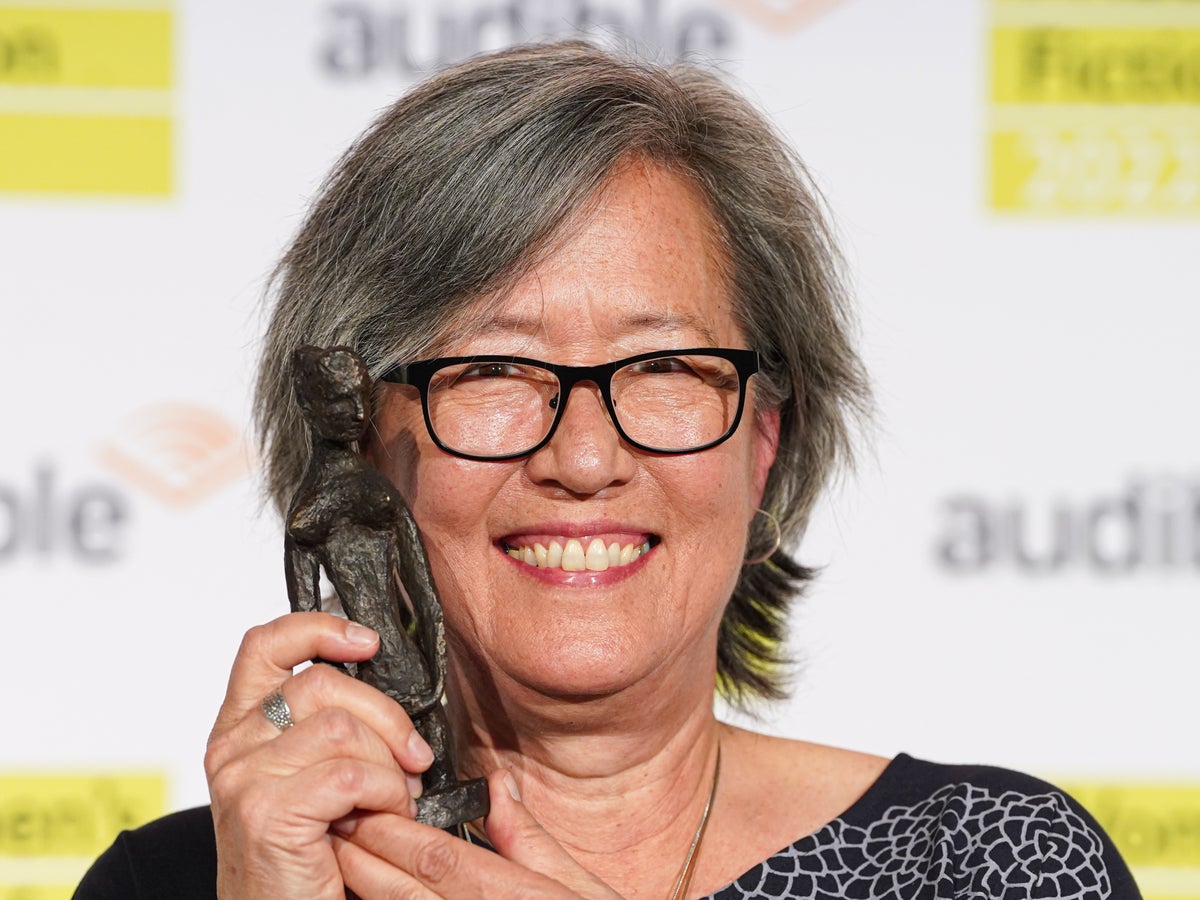
Ruth Ozeki answers my first question almost before I can finish asking it. “Do I think the Women’s Prize is still important? Of course it is. We all assumed the arc of justice had a certain trajectory, that the world was becoming more progressive. Given what’s going on in America right now with the threat to Roe v Wade, I’m no longer sure that’s true.”
Ozeki has another good reason to stand up for the Women’s Prize: she won it last week, with her bewitchingly uncategorisable fourth novel The Book of Form and Emptiness (it’s narrated by a book, for starters). The prize was established in 1996 following an all-male Booker shortlist and a general lack of critical attention towards female novelists, but has in the last few years faced questions over whether it’s still needed, given the seismic uptick in novels by women getting published, bought and reviewed.