There was a strong sense of desperation lingering in the air at the end of the 80s. The heavy rock world had enjoyed a fruitful decade; but the established clichés of that era were wearing thin, exhausted by repetition and self-parody.
Before the music scene turned to grunge as its saviour, a strange phenomenon known as funk metal made significant inroads into the mainstream. In the US, Faith No More and a pre-bland Red Hot Chili Peppers suggested new ways to be heavy, and both ended up conquering hearts and charts.
In the UK several bands made a solid name for themselves by heading down the same road, The Atom Seed and Scat Opera among them; but the best band of that generation took a noticeably different approach.
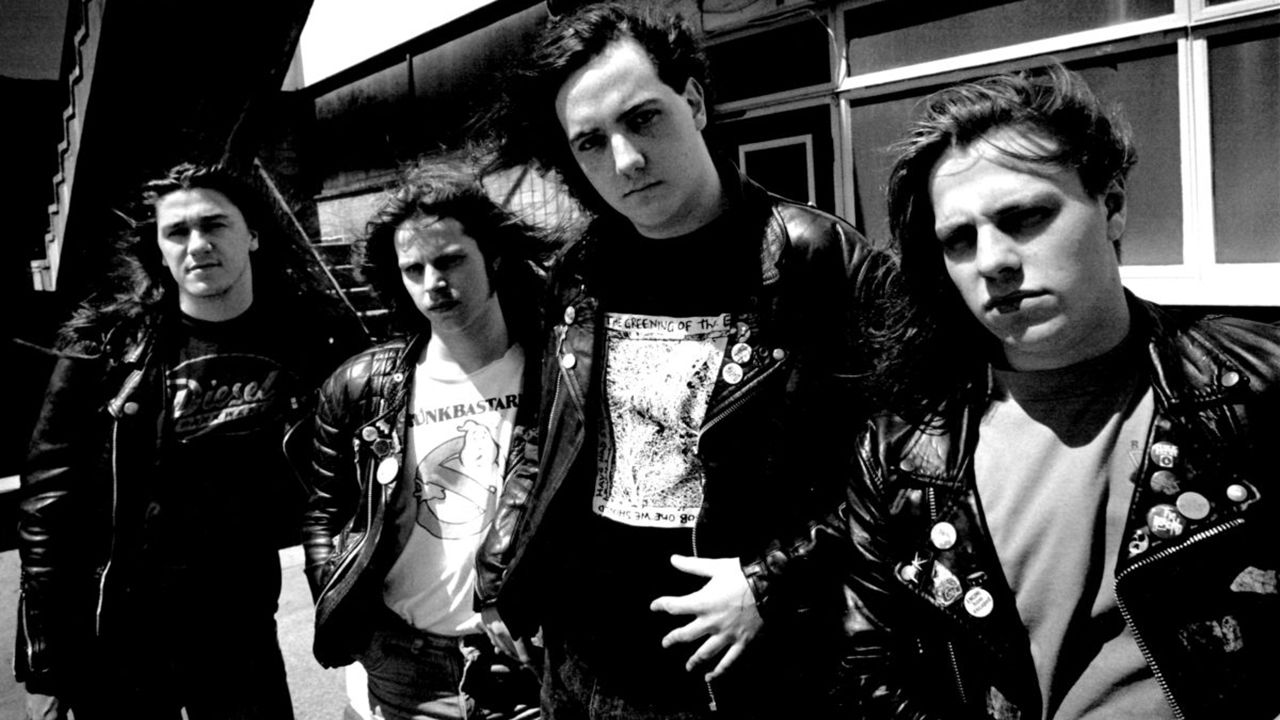
Formed in Derby in the late 80s, The Beyond were a total anomaly. On the surface, they bore some of the main traits of the funk metal movement – the slap bass, the syncopated grooves – but in every other respect they were ploughing their own furrow.
Debut album Crawl, released through a resurrected Harvest Records in 1991, clearly had little to do with anything else that was happening at the time. Despite superficial appearances, The Beyond were a metal band with a unique songwriting style, and Crawl was their prodigious manifesto – an album that crackled with restless ambition that dared to upset comfortable expectations.
They wore their prog influences lightly. Songs like Empire, Second Sight and The Eve Of My Release were undeniably peculiar but defiantly catchy, with clattering, intricate riffs and Neil Cooper’s implausible drumming married to frontman John Whitby’s sonorous croon.
But thanks to guitarist Andy Gatford’s strange jazz-infused chords and Whitby’s enigmatic but spiky lyrics, Crawl was feeding the metal mainstream with some of its most prog-friendly material in years.
All four members of the band were Rush fans, a fact that shone through in the knotty arrangements, precise technicality and skewed hooks of One Step Too Far and Great Indifference.
Meanwhile, Cooper was a student of both Phil Collins’ Brand X and Simon Phillips’ work in fusion firebrands 801 – and it showed, with bewildering grooves and a strange, bone-dry drum sound.
Combine those influences with the thrash, punk and jazz records that informed their evolution, and Crawl was never likely to conform to passing trends.
“We were trying to play things differently and on our own terms,” Cooper says today. “From the vocal approach to the disjointed drumming, riffs and jazz chords, it all still works... in an odd way!”
The Beyond were too smart for the metal scene and too weird for the mainstream. Funk metal for Rush fans? Hardly. What they delivered instead was something far more compelling – an off-kilter vision that refused to fit any one box.