Get all your news in one place.
100’s of premium titles.
One app.
Start reading
The Times of India
The Times of India
Lifestyle
TOI Lifestyle Desk | etimes.in

Winter and joint pain: Why it gets worse in cold weather

Many people experience more joint pain during winter, especially if they have conditions like arthritis or old injuries. The colder months can be tough on your joints, but understanding why this happens can help you take steps to feel better.

Why joints hurt more in winter
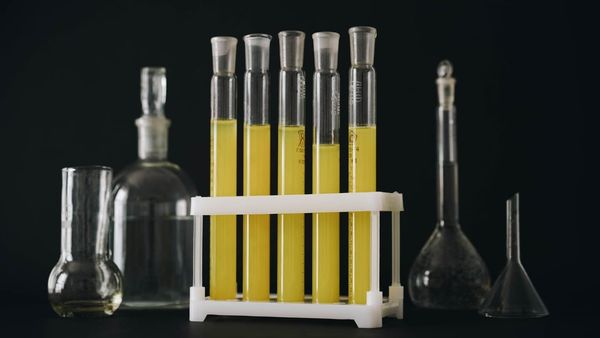
Cold weather is one reason joint pain increases. When it’s cold, blood vessels tighten, which means less blood flows to your joints. This can make them feel stiff and sore. The cold also makes muscles tense up, adding extra strain to your joints, especially knees, hips, and back.

Changes in air pressure during winter storms may also cause discomfort. When the air pressure drops, soft tissues around your joints can swell slightly, leading to more pain.

For people with arthritis, the body’s natural response to cold can make inflammation worse, which increases pain. Those with conditions like osteoporosis might feel even more discomfort during winter.

Moving less can make it worse

Winter often means staying indoors and moving less. When you don’t move much, your joints can become stiff, and the muscles around them may weaken. This makes it harder to manage joint pain. Gaining weight during the winter can also put more stress on your joints.

Moreover, winter generally results in less thirst. Less water intake contributes to the thickening of joint fluids which ultimately leads to joint stiffness.

How to ease joint pain in winter

Keep moving: Do light exercises like stretching, yoga, or walking indoors to keep your joints flexible and muscles strong.

Stay warm: Dress in warm clothes, including gloves and thermal layers, to protect your joints from the cold.

Eat healthy: Include foods like fruits, vegetables, and nuts in your diet to reduce inflammation and support joint health. Include anti-inflammatory ingredients like ginger, turmeric, berries, etc. to help keep the smooth functioning of bodily mechanisms.

Stay hydrated: Despite experiencing less thirst, try maintaining a healthy water intake, which is usually 6-8 glasses a day.

Use heat therapy: Warm showers, heating pads, or hot water bottles can help soothe stiff joints.

Talk to a Doctor: If your joint pain is severe or doesn’t improve, consult an orthopedic specialist for advice.

Dr Abhishek Bansal, Sr. Orthopaedic Surgeon, Pristyn Care

Sign up to read this article
Read news from 100’s of titles, curated specifically for you.
Already a member? Sign in here
Related Stories
Top stories on inkl right now
One subscription that gives you access to news from hundreds of sites
Already a member? Sign in here
Our Picks
Fourteen days free
Download the app
One app. One membership.
100+ trusted global sources.