
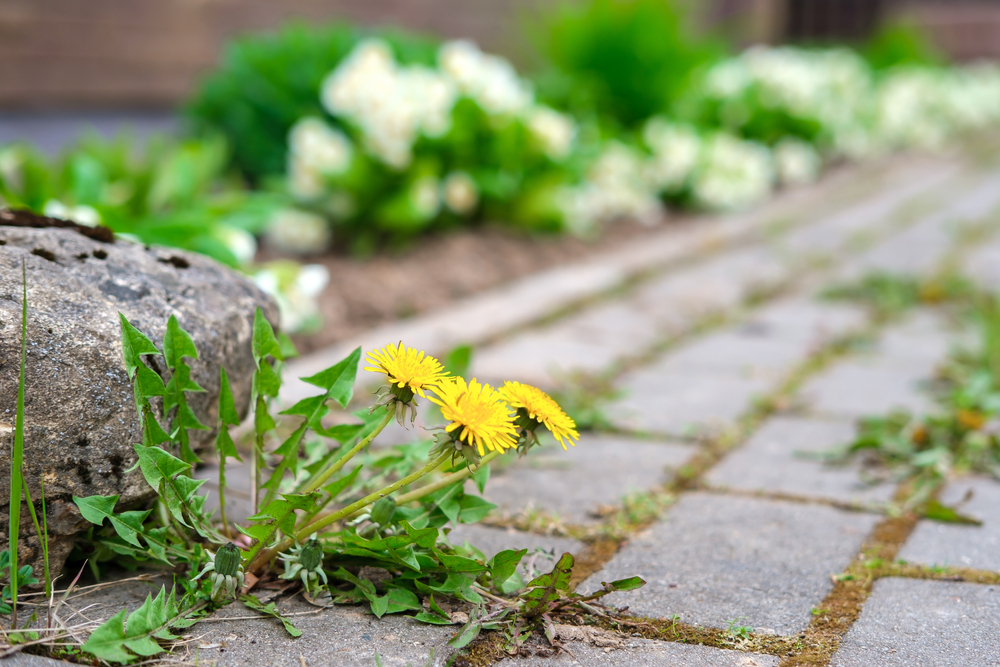
Weeds do not just appear out of nowhere; they build a long-term presence through a hidden underground reserve called the weed seed bank. Every time a weed drops seeds, it adds thousands of future invaders waiting for the right moisture, light, and temperature to explode into growth. Garden beds that look clean today often carry enough seeds to fuel years of unwanted sprouts if conditions stay favorable.
Smart gardeners focus less on pulling what shows above ground and more on shrinking what sits quietly below the soil surface. That shift changes everything because reducing the seed bank lowers weed pressure season after season.

Starve the Soil Before Seeds Take Over
Weed seeds need light, moisture, and oxygen to wake up, so cutting off those signals weakens their ability to sprout. Gardeners who disturb soil less often prevent buried seeds from surfacing and starting a new cycle of growth. A simple shift toward surface-level cultivation, such as shallow hoeing instead of deep digging, keeps dormant seeds buried where they struggle to activate. Over time, fewer seeds reach the conditions they need, and weed pressure drops noticeably across beds and borders. This approach turns soil management into a long-term investment rather than a constant cleanup task.
Old mulch layers and leftover plant debris often carry hidden seeds that wait for exposure to sunlight. Removing seed-heavy debris before it breaks down further reduces the chance of new germination waves. Compost piles also require careful management because unfinished compost can spread viable weed seeds back into garden beds. Heat management in compost systems helps break down seed viability and prevents accidental reseeding. A disciplined cleanup routine limits the number of fresh seeds entering the soil each season.
Cheap Mulch Tricks That Cut Germination Fast
Mulch acts like a physical barrier that blocks sunlight from reaching weed seeds resting on or near the soil surface. Even a thin layer of organic material like shredded leaves or grass clippings creates enough shade to disrupt germination cycles. Gardeners often underestimate how far a simple two-inch layer can stretch a budget while delivering strong weed suppression benefits. Free materials from yard waste or seasonal leaf drop make this method one of the most cost-effective tools available. Consistent mulching builds a protective shield that reduces the number of seedlings that ever break through.
Different mulch types offer different advantages depending on garden goals and soil conditions. Straw works well in vegetable beds because it breaks down slowly and keeps moisture levels steady without locking out airflow. Wood chips suit perennial beds because they last longer and create a stable surface that discourages seed sprouting. Grass clippings add quick coverage but require thin layers to avoid matting and odor issues. Smart mixing of mulch types keeps weed pressure low while improving soil structure over time.
Smart Watering That Stops Weed Explosions
Weed seeds respond aggressively to surface watering because moisture signals ideal conditions for growth right at the topsoil level. Gardeners who switch from frequent light watering to deeper, less frequent irrigation reduce germination rates significantly. Deep watering encourages crop roots to grow downward while leaving surface layers drier and less inviting for weed seeds. Drip irrigation systems or soaker hoses help target water directly to desired plants instead of feeding the entire soil surface. This strategy cuts weed activity while improving plant resilience during dry spells.
Timing also plays a major role in controlling weed outbreaks through water management. Morning watering allows soil surfaces to dry during the day, which reduces the moisture window weeds rely on to sprout. Evening watering often extends damp conditions overnight, which encourages faster weed germination in warm weather. Adjusting watering schedules based on weather patterns helps maintain tighter control over weed cycles. Small timing changes create a noticeable reduction in unwanted growth across garden beds.
Hand Weeding Timing That Saves Hours Later
Pulling weeds at the right stage makes a huge difference in long-term garden maintenance. Young weeds remove easily because their roots remain shallow and their energy reserves stay low. Waiting too long allows root systems to anchor deeply, which turns a quick pull into a frustrating excavation project. Gardeners who check beds every few days during peak growth periods prevent weeds from going to seed and multiplying. Early removal stops the next wave before it even begins.
After rainfall, the soil softens and makes hand weeding faster and more efficient. Weeds slide out more easily when moisture loosens their grip on surrounding soil particles. Focusing on perimeter areas and pathways also prevents weeds from spreading inward toward cultivated beds. Consistent attention to these high-risk zones reduces overall workload across the entire garden. Strategic timing transforms weeding from a chore into a short, manageable routine.
Shrink the Seed Bank, Shrink Future Workloads
Long-term weed control depends on reducing the seed supply already stored in the soil rather than constantly reacting to visible growth. Every small action that prevents seed drop or disrupts germination chips away at the underground reserve that fuels future infestations. Mulching, watering discipline, shallow cultivation, and early removal all work together to create a steady decline in weed pressure. Gardens that follow these habits shift from constant cleanup mode into predictable, manageable maintenance cycles. Consistency turns this system into one of the most cost-effective approaches for any home garden.
What weed control strategy has made the biggest difference in your garden spaces, and which habit feels easiest to adopt first?
You May Also Like…
Mulching Magic: Budget-Friendly Ways To Conserve Water And Suppress Weeds
Why Weeds Take Over Faster Than Crops in Spring
The Cardboard Barrier: The Permanent Fix for Weeds That Costs $0
7 Low-Growing Plants That Beat Weeds Without Constant Maintenance
How to Identify Invasive Weeds Early
The post Win the War on Weeds: Low-Cost Strategies to Shrink Your Weed Seed Bank appeared first on Frugal Gardening.