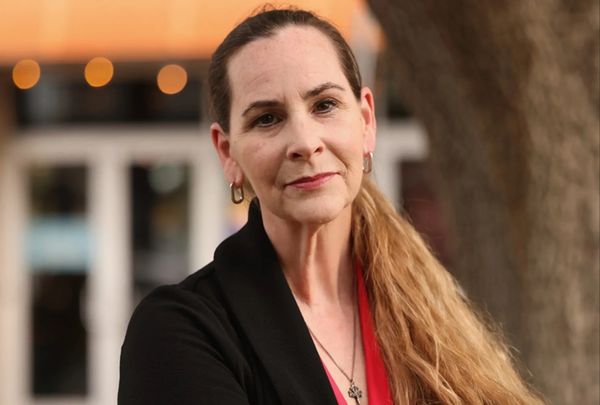

Courtney Steed often burns barefoot. It is, in part, a practical choice. Setting fires in the Sandhills of central North Carolina requires an understanding of moisture levels in the scrubby underbrush, and she gets a better sense of it in bare feet. But for Steed, who is Lumbee and leads the tribe’s Cultural Burn Association, it’s also about forming a connection with the Earth and with her relatives. “I’m positive,” she said, “they didn’t wear fire boots.”
Mention wildfire, and most people picture the Western U.S. And while it’s true that in recent years those states have burned at a frightening rate, fire has long been a destructive force in the East as well. That wasn’t always so. For more than 10,000 years, the Lumbee, like many Indigenous peoples, used controlled burns to promote healthy ecosystems and clear brush and tinder. That practice was all but eliminated as colonization and government-sanctioned genocide forced tribes from nearly 99 percent of their land. Some states, including California, outlawed controlled burns, and in 1905, the U.S. government made fighting wildfires at all cost its policy.