There are some stories you don’t just read, you carry them with you.
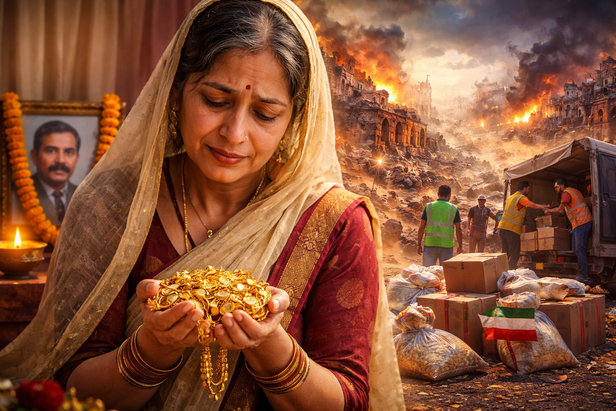
In Kashmir, a quiet act of kindness has turned into one of the most emotional stories emerging from the ongoing war in Iran. A widow, who had preserved a piece of gold gifted by her late husband for 28 years, chose to give it away for people she had never met. It was not just a donation. It was a moment where love, loss, and humanity came together in the most unexpected way.
1. A memory she held onto for 28 years
For nearly three decades, the gold was not just jewellery. It was a memory of her husband, a connection to a life she once lived. After his passing, this small piece became something deeply personal, something she chose to preserve quietly. Letting go of it was not a financial decision. It was an emotional one, because she was not giving away gold, she was letting go of a part of her past that she had protected for years.
2. The moment her grief turned into compassion
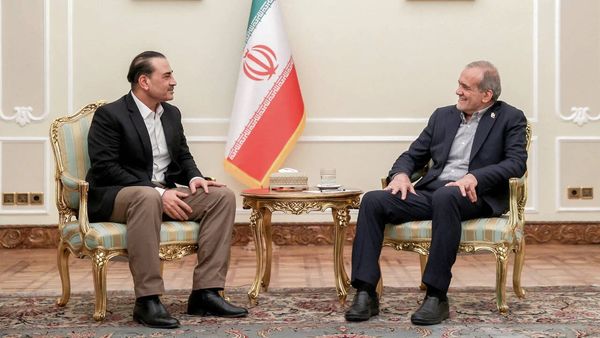
When she stepped forward to donate, she broke down. The weight of that moment was visible in her tears. This was not an act done casually or out of excess. It was a sacrifice made with full awareness of what she was losing. Even the Iranian Embassy acknowledged her emotions, calling them a source of comfort for people suffering in war, showing how deeply her gesture resonated beyond borders.
3. A larger wave of humanity rising from Kashmir
Her story is part of a much bigger movement unfolding across Kashmir. In districts like Budgam and Baramulla, people have come together to support those affected by the conflict in Iran. Volunteers went door to door, collecting whatever people could offer. Donations included not just cash but gold, silver, copper items, and even livestock, showing that this was not just charity but a collective emotional response to suffering.
4. Women leading with quiet strength
What stands out in this movement is the role of women. Many women donated their personal jewellery, items that are often tied to memories, identity, and security. These were not extra possessions. They were meaningful belongings. Yet they chose to part with them, showing a kind of strength that is rarely loud but deeply powerful.
5. Even children chose to give
The compassion did not stop with adults. Children also joined in, donating their savings and Eid money. In a world where people often learn to hold on, these children chose to give. It reflects how deeply this movement touched people across all age groups, turning empathy into action.
6. A connection that crossed borders
Most of the people donating had never seen Iran, never met the people they were helping. Yet they felt connected. India and Iran share cultural and historical ties, but this moment went beyond that. It showed that sometimes, humanity does not need a reason or a relationship. It simply responds to pain. The Iranian Embassy publicly expressed gratitude, saying this kindness would never be forgotten.
7. Why this story feels different
We often hear about donations, but this story stays with you because of what was given. It was not surplus wealth or convenience. It was a memory, a piece of love, something that held emotional weight. That is what makes it rare. It reminds us that true giving is not about how much we have, but what we are willing to let go of.
8. When loss becomes something meaningful
Grief usually makes people hold on tighter to what remains. But in this case, grief transformed into something larger. The widow turned her personal loss into someone else’s hope. In doing so, she showed that even pain can become a source of healing, not just for oneself but for others too.