
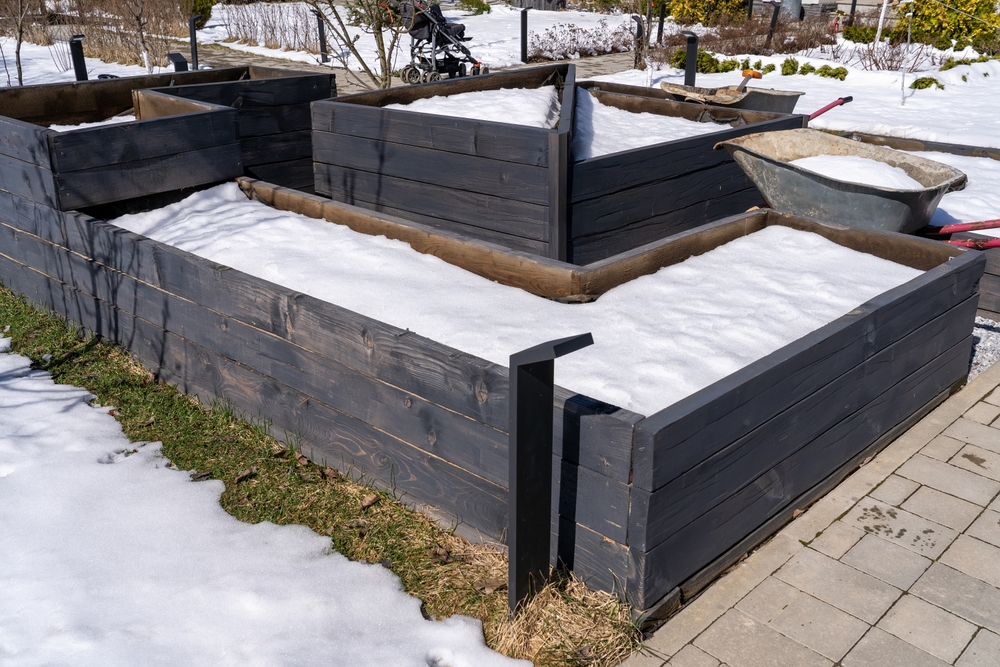
Your garden can feel like a kingdom—lush in summer, thriving in fall, and then suddenly… defeated the moment winter shows up. One day your raised beds look proud and productive; the next they resemble abandoned plots wondering what they did to deserve such treatment. Winter gardening is a whole different beast, and raised beds—despite being the show-offs of the garden world—aren’t immune to cold-weather chaos.
If your beds seem to collapse into lifeless lumps every winter, you’re not alone, and you’re definitely not cursed.
Soil Temperature Drops Faster Than You Think
Raised beds sit above ground level, which means they lose heat far faster than traditional in-ground gardens. This rapid cooling can shock plant roots, even hardy varieties that normally tolerate cold. Once the soil temperature plunges, microbial activity slows to a crawl, making nutrients less available. Plants that were thriving in fall suddenly behave like drama queens in distress, drooping and stalling out. Without insulation or protection, your plants might not be dying—they’re simply too cold to function.
Drainage Changes Dramatically In Winter
Raised beds are known for great drainage, but winter can flip that advantage into a problem. Excess snowmelt or winter rain can saturate the soil, leading to root rot or anaerobic conditions that essentially suffocate plant roots. Frozen soil compacts more easily, squeezing out air pockets that roots desperately need. If your soil stays too wet for too long, it becomes inhospitable for anything trying to survive winter. Good winter drainage requires intentional preparation long before the frost arrives.
Soil Quality Declines When It’s Neglected
It’s easy to forget that soil is alive and needs care, even when nothing is actively growing. Winter can deplete essential nutrients, especially if fall cleanup was rushed or incomplete. Without organic matter, cover crops, or mulch, your soil becomes exposed and loses structure. Wind, freezing, and thawing cycles break it down until it’s dusty, dense, or both. When spring arrives, your raised bed plants start the season with a nutrient deficit instead of a strong foundation.
Mulch Isn’t Optional In Cold Weather
In warm seasons, mulch is a productivity booster, but in winter, it’s a life raft. Without it, soil temperatures swing wildly, stressing roots and damaging beneficial organisms. Mulch acts like a winter coat, locking in moisture and preventing erosion from wind and ice. Many gardeners skip mulch in winter, thinking the season is “over,” but this oversight can lead to serious soil degradation. A few inches of straw, leaves, or wood chips can be the difference between winter survivors and winter casualties.
Beds May Be Too Shallow For Winter Survival
Shallow raised beds warm up quickly in spring but cool down just as fast in winter. Plants with deeper root systems struggle when they don’t have enough insulated soil beneath them. The cold seepage from all sides—top, bottom, and edges—hits shallow beds harder than deeper ones. Over time, this results in root damage, even in hardy perennial crops. A deeper bed provides a thermal buffer that can save plants during long cold spells.
Winter Sun Exposure Changes Everything
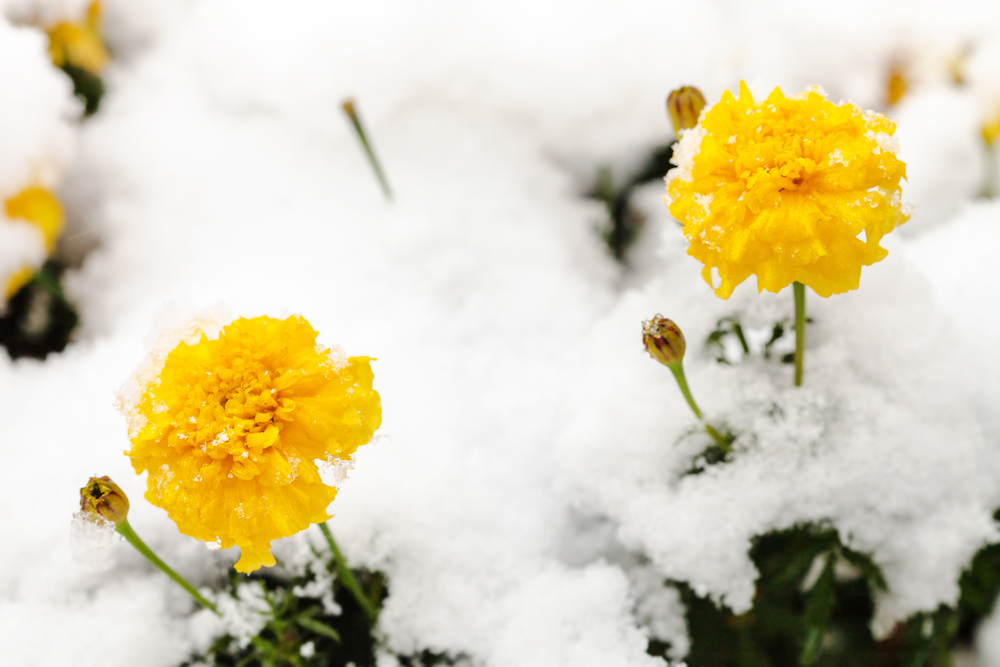
The angle of the sun shifts dramatically in winter, and raised beds that bask in summer light may be cast in shade during the colder months. Plants that need even minimal sunlight can struggle with the dramatic drop in exposure. Shady winter beds warm more slowly, which delays root activity and growth cycles. Snow-covered or shaded beds melt ice later, forcing plants to deal with colder soil for longer periods. Understanding your bed’s winter sun path can radically improve cold-weather success.
Overwatering Happens More Than Underrating
Many gardeners worry about dryness in summer but forget that plants drink far less in winter. Waterlogged raised beds become a silent killer, especially when temperatures fluctuate above and below freezing. Overwatering combined with poor drainage creates the perfect environment for fungal problems. Winter watering should be occasional, strategic, and never excessive. Letting the soil breathe is just as important as keeping it hydrated.
Pests Don’t Always Disappear In Winter
You’d think the cold would scare off pests, but some overwinter right inside your raised beds. Soil-dwelling insects, larvae, and even rodents can take advantage of the protected environment your beds offer. These sneaky squatters may damage roots or seeds before spring even arrives. Without winter pest management, you might find your plants failing from unseen culprits. A winter check-in and proper cleanup can keep unwanted guests from setting up camp.
Your Plants Might Simply Be The Wrong Fit
Not all plants are built for cold-weather survival, and raised beds amplify the difficulty for borderline varieties. Even “cold-tolerant” plants may struggle in above-ground beds where conditions fluctuate more dramatically. Every garden zone has plants that do well in winter—but they won’t thrive in raised beds without protection. Knowing your plant’s limits helps you prepare smarter beds, covers, or tunnels. Choosing the right winter crops is half the battle.
You Forgot To Prep The Bed For Dormancy
Raised beds need more than admiration—they need preparation. Failing to remove debris, add compost, or replenish organic matter creates a weakened soil system going into winter. Beds without winter prep lose nutrients rapidly and can harbor diseases that linger underground until spring. A little end-of-season love goes a long way toward winter resilience. Think of it as tucking your raised bed in with a warm blanket and a snack.
Protect Your Beds And They’ll Protect Your Harvest
Raised beds are powerful tools for any gardener, but winter exposes their vulnerabilities in unexpected ways. Understanding how temperature, drainage, soil quality, sunlight, and plant choice affect winter survival can transform your cold-season garden. With the right strategies, your raised beds can stay healthy even when the rest of the world seems frozen solid.
What challenges have your raised beds faced during winter? Share your experiences, insights, or winter garden stories in the comments for other green thumbs.
You May Also Like…
Why Garden Beds Sink After Leaf Mulching
The Lazy Gardener’s Trick for Keeping Raised Beds Fertile All Winter
Why Fall Is the Time to Start Next Year’s Beds
How to Spot Overcrowding in Perennial Beds
13 Ways to Use Evergreens, Berries & Bark for Winter Garden Interest
The post Why Your Raised Beds Might Be Failing in Winter appeared first on Frugal Gardening.