
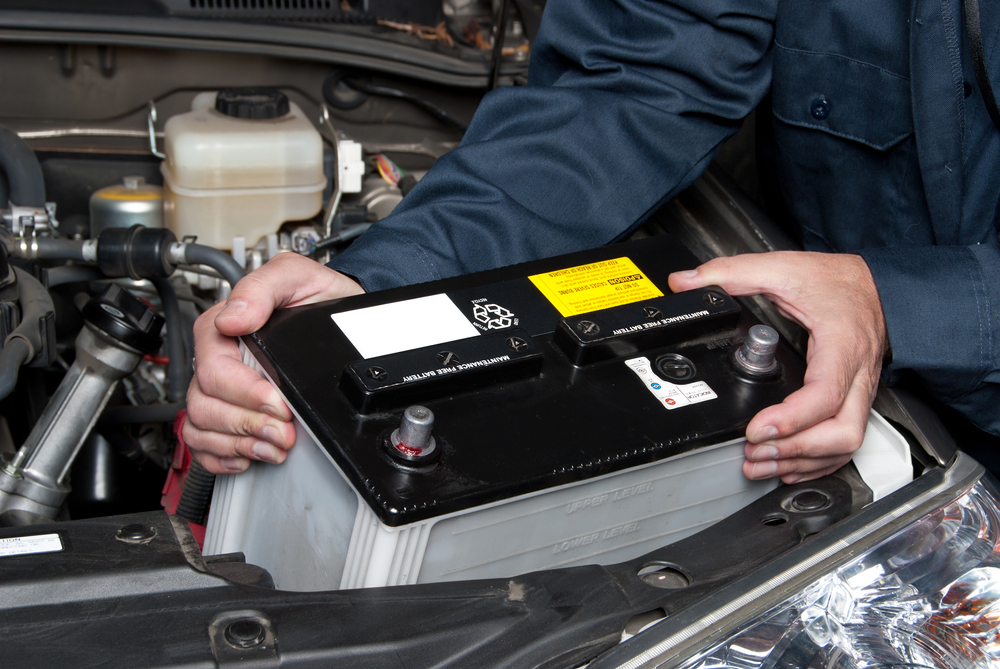
When I worked as a mechanic, many people would often come in frustrated, stating they’d just bought a new battery. So, why is it already dead? You might think you’ve gotten a defective battery, or if something more serious is wrong. In reality, batteries rarely die so quickly on their own. A lot of the time, there are other issues at play. Here are six reasons your battery might have died, even if you just bought it.

1. Loose or Corroded Battery Connections
Even the best car battery replacement won’t work if the terminals are loose or corroded. Corrosion builds up as a white or bluish powder, blocking the flow of electricity between the battery and your car’s systems. Loose connections can cause intermittent starting problems, making it seem like the battery itself is weak. Cleaning the terminals with a wire brush and tightening them securely often solves the issue. If ignored, these small problems can drain your battery prematurely and mimic a bigger electrical failure.
2. A Failing Alternator That Can’t Keep Up
Your alternator is responsible for charging the battery while the engine runs. If it’s weak or failing, the battery never receives a full charge, no matter how new it is. Drivers often mistake this for a bad battery, but the real culprit is a charging system that’s out of balance. Signs include dim headlights, dashboard warning lights, or a battery that dies after short trips. Testing the alternator output can confirm the problem and prevent wasting money on repeated car battery replacement.
3. Electrical System Glitches in Modern Cars
Today’s vehicles are packed with complex electronics, from infotainment systems to advanced sensors. When you install a new battery, these systems sometimes reset incorrectly or develop glitches. A blown fuse, faulty relay, or parasitic drain can quickly sap the life out of your fresh battery. These issues are especially common in newer cars, where even a small electrical imbalance can cause major headaches. Diagnosing parasitic drains with a multimeter helps pinpoint the source before your battery pays the price.
4. Extreme Weather Conditions Accelerate Wear
Temperature swings are brutal on batteries, even after a recent car battery replacement. Cold weather thickens engine oil, forcing the battery to work harder to crank the engine. Hot weather evaporates battery fluid, damaging internal components and reducing capacity. If you live in a region with harsh winters or scorching summers, your battery’s lifespan may shrink dramatically. Parking in a garage or using a battery blanket can help protect your investment from weather extremes.
5. Short Trips That Don’t Recharge the Battery
Frequent short drives are another hidden enemy of car battery replacement. Starting the car consumes a large amount of power, and short trips don’t give the alternator enough time to recharge the battery fully. Over time, this cycle leaves the battery undercharged and weak. Many drivers who only commute a few miles each day notice their new battery failing much sooner than expected. Taking longer drives occasionally or using a trickle charger can keep the battery healthy.
6. Improper Installation or Wrong Battery Type
Sometimes the issue lies in how the battery was installed or the type chosen. If the battery isn’t seated properly, vibrations can damage its internal plates. Using the wrong size or capacity for your vehicle can also lead to premature failure. Mechanics stress the importance of matching the battery’s cold cranking amps (CCA) to your car’s requirements. A professional installation ensures the battery is secure, connected correctly, and ready to perform.
Protecting Your Investment in Reliability
A car battery replacement should give you peace of mind, not new problems. By checking connections, monitoring your alternator, and watching for electrical drains, you can extend the life of your battery. Weather protection and smarter driving habits also play a big role in keeping your battery strong. Choosing the right battery and ensuring proper installation are equally critical. With these steps, you’ll avoid the frustration of a battery that fails too soon and enjoy reliable starts every time.
Have you ever had a car battery fail right after replacement? Share your experience and tips in the comments.
What to Read Next
- The Tire Pressure Myth That’s Costing Drivers Thousands
- 8 Warning Signs That Your Car Battery Is About to Leave You Stranded
- Dead Battery? Learn How to Jump-Start Your Car Safely
- 5 Reasons Your Headlights Keep Dimming—And What It Means for Your Battery
- 10 Weird Car Problems You’d Never Guess Are Caused by Your Battery
The post Why Your Car Battery Fails So Soon After Replacement appeared first on Clever Dude Personal Finance & Money.