
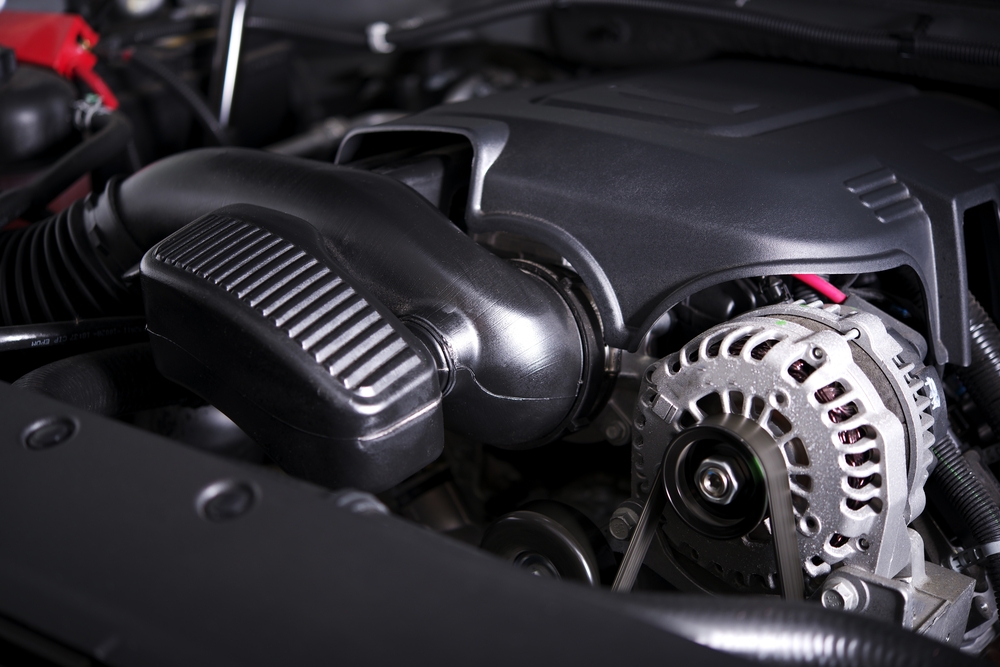
When a car dies on the road, the breakdown often feels sudden. Drivers expect warning lights or strange noises before anything serious happens, but that confidence can fade fast when the engine shuts off without a hint. Alternators fail this way more often than people realize. The system works until it doesn’t, and the gap between normal operation and a dead vehicle can be minutes. Here are seven reasons that your alternator may cut out without any warning.

1. Silent Electrical Overload
An alternator can be stressed long before it shows outward signs. Modern vehicles pull heavy electrical loads from heated seats, touchscreen systems, smart charging ports, and advanced sensors. Each one draws on the same source that keeps the battery alive. When the demand rises beyond what the alternator can sustain, the internal components heat up. Damage happens quietly.
Drivers rarely connect everyday accessories to potential alternator failure. The lights stay bright, the stereo plays, and everything seems fine until the alternator crosses a breaking point. At that moment, the voltage drops sharply. The battery stops receiving a charge. The engine follows soon after. No warning light needs to appear for this sequence to unfold.
2. Worn Brushes and Slip Rings
The alternator depends on brushes pressing against slip rings to generate power. These parts wear gradually, but failures aren’t always gradual. Brushes can hold up for years and then degrade enough to lose contact in a single moment. When the electrical connection snaps, so does the alternator’s ability to charge.
This type of alternator failure can appear random. A car starts normally in the morning and fails by afternoon. Internal wear remains hidden behind the casing, so owners have no view of the problem. And because the rest of the alternator may be in good shape, the failure feels sudden and unfair. It isn’t. It’s the end of a long, silent decline.
3. Heat-Soaked Electronics
Engine bays run hot. Some run hotter than designers intended because of modifications, long commutes, or simple age. Heat breaks down the voltage regulator inside the alternator. Once the regulator misreads the electrical load, it sends too much or too little power through the system. Either direction leads to trouble.
Undercharging weakens the battery. Overcharging cooks it. In both cases, the regulator can fail outright without sending a clear warning to the dashboard. The alternator keeps spinning, but it’s no longer controlling the flow. Alternator failure eventually arrives, usually when the driver least expects it.
4. Bad Diodes
The alternator converts mechanical energy into AC power, and the diodes convert it to DC. When a diode fails, the alternator still produces electricity, but not correctly. The system creates voltage spikes that can confuse sensors, drain the battery, or trigger intermittent electrical issues that seem unrelated.
A failing diode can cause headlights to flicker, but it doesn’t always. Sometimes there’s no visible change at all. Instead, the battery weakens behind the scenes until it can no longer hold a charge. By the time the car stalls, the driver has missed every sign because the signs were too subtle to notice.
5. Belt and Tensioner Problems
The alternator relies on the drive belt to spin. A belt that slips or loses tension can sabotage the charging system without breaking entirely. There may be no squealing noise. No burning smell. Nothing obvious. The alternator simply falls out of sync for a few seconds at a time. Each moment of reduced rotation cuts into the charging system’s output.
As the issue grows, those brief slips become longer. Eventually, the alternator stops producing enough power to run the vehicle. Drivers might assume the battery is dying or the starter is weak. In reality, the alternator failure started days or weeks earlier, hidden behind an aging tensioner.
6. Contaminants and Corrosion
Oil leaks, coolant drips, and road salt all find ways to reach the alternator. These contaminants wear down the housing, wiring, and bearings. Corrosion can weaken the internal pathways until they fail in an instant. Many alternators run perfectly until moisture reaches a critical point, then they collapse.
Because contamination happens slowly and irregularly, drivers have few chances to catch it. A leak may start small. A puddle may dry before anyone notices. The alternator keeps working, and then one day it doesn’t. The failure feels sudden. The leak was not.
7. Ignored Battery Issues
A weak battery forces the alternator to work harder than it should. Instead of topping off the battery as the manufacturer intended, the alternator runs at full output for extended periods. That constant strain accelerates wear.
This creates a chain reaction. The battery starts the trouble, the alternator tries to compensate, and the system collapses. Most drivers blame the battery when the car won’t start. The truth often goes deeper. Alternator failure was already underway, masked by the battery’s decline.
Protecting Your Charging System
A car’s electrical health depends on balance. When one part strains, the rest follow. Alternator failure rarely appears out of nowhere, even when it feels sudden. Small stresses build until a final, silent break occurs. Paying attention to battery condition, belt wear, heat levels, and electrical load can prevent surprises.
Have you ever experienced an alternator that failed without warning?
What to Read Next…
- Why A Simple Radiator Leak Could Lead To Total Engine Failure
- This Coolant Hose Failure Has Been Linked To Engine Fires
- Why That Clicking Noise Could Mean Your Ball Joints Are About To Snap
- 10 Clues Your Mechanic Might Be Lying To You
- 9 Car Maintenance Habits That Cause More Harm Than Good
The post Why Your Alternator Might Fail Without Warning appeared first on Clever Dude Personal Finance & Money.