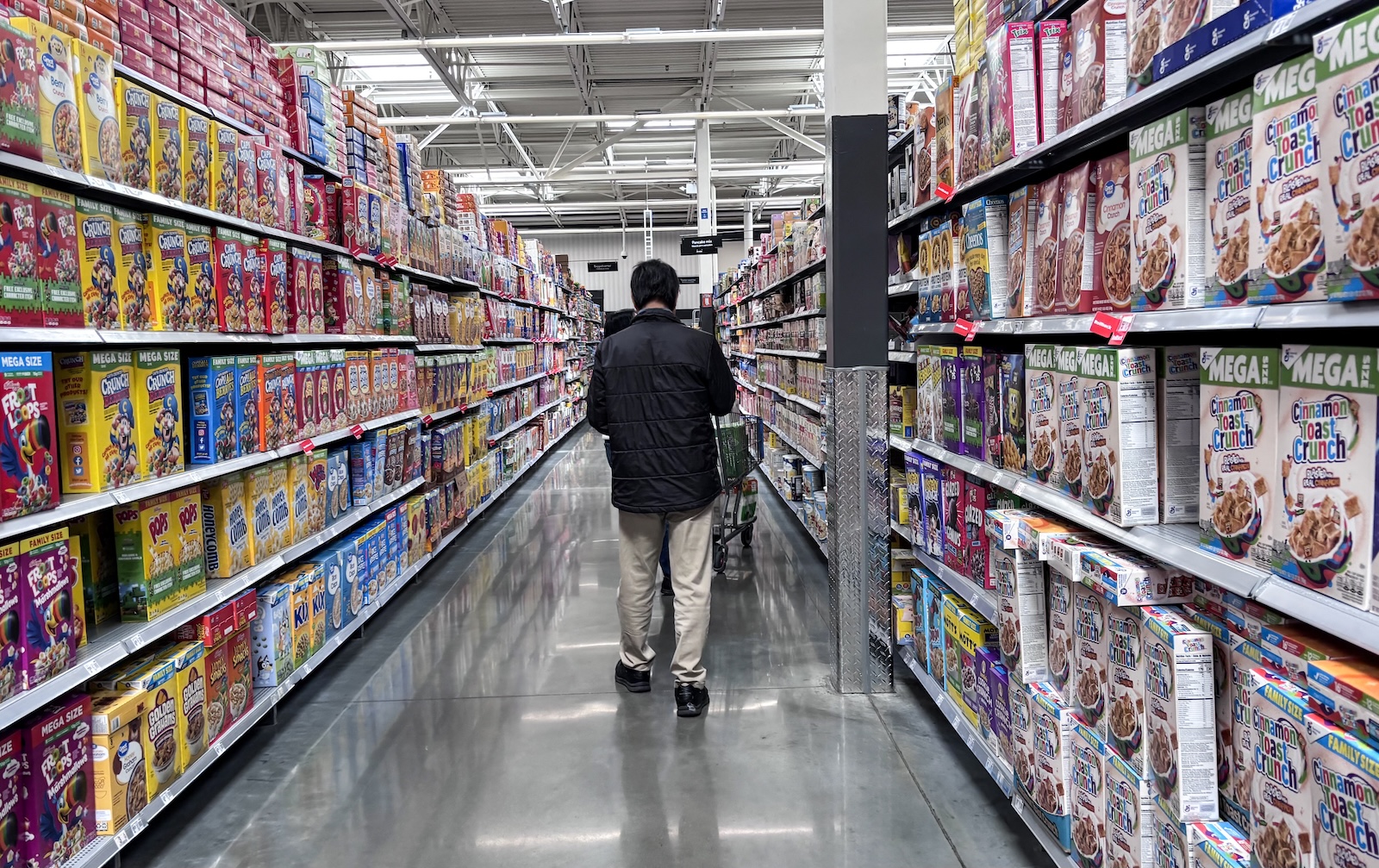
When I began using Instacart about five years ago, grocery delivery struck me as an almost preposterous luxury. I hadn’t grown up in a household where paying someone else to do the grocery shopping was a particularly imaginable expense. I’ve only recently come around to purchasing frozen, pre-chopped onions without a small pang of guilt. But the pandemic had made grocery delivery feel sensible, even responsible, and I quickly developed an appreciation for the peculiar pleasure of having someone else navigate the supermarket on my behalf.
For a while, the service justified my enthusiasm. A missing shallot might become a red onion. All-purpose flour might arrive as bread flour. Once, a family-sized frozen lasagna was replaced with an enormous bag of frozen pasta and meatballs. None of these exchanges was perfect, but they followed a recognizable culinary logic. Someone, somewhere, appeared to understand what dinner was supposed to be.