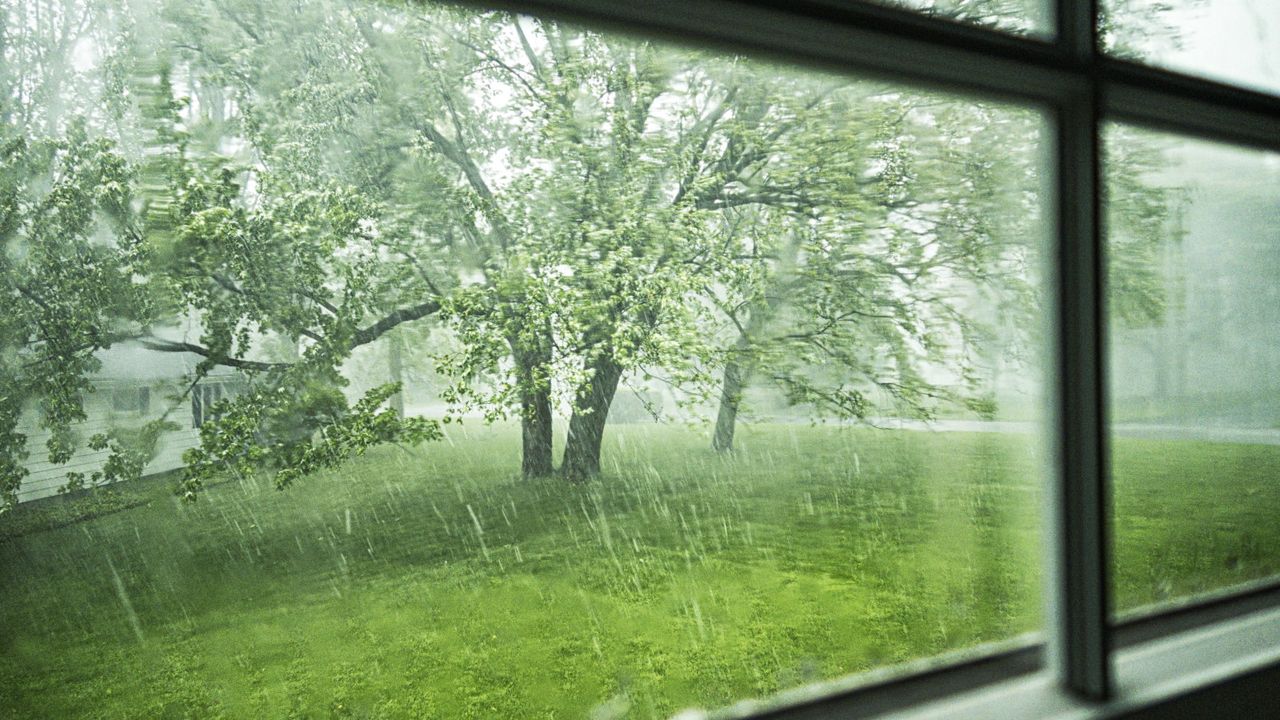
Have you found that allergies worsen during extreme weather? It can be due to thunderstorm asthma, also known as thunder fever, when a thunderstorm puts huge amounts of pollen into the air. What causes thunderstorm pollen strikes, and what should homeowners do to stay safe?
Over 80 million people in the US, which is more than a quarter of adults, suffer from seasonal allergies. A thunderstorm pollen spike can cause breathing difficulties, even for people who usually suffer milder symptoms.
To learn more about thunderstorm pollen strikes, I spoke with weather and physics experts about the causes, the dangers, and how gardeners can protect themselves during storms. Because many of the most pollen-producing trees in the US have long been used in landscaping, staying safe is vital for anyone with pollen allergies.
What Is a Thunderstorm Pollen Spike?
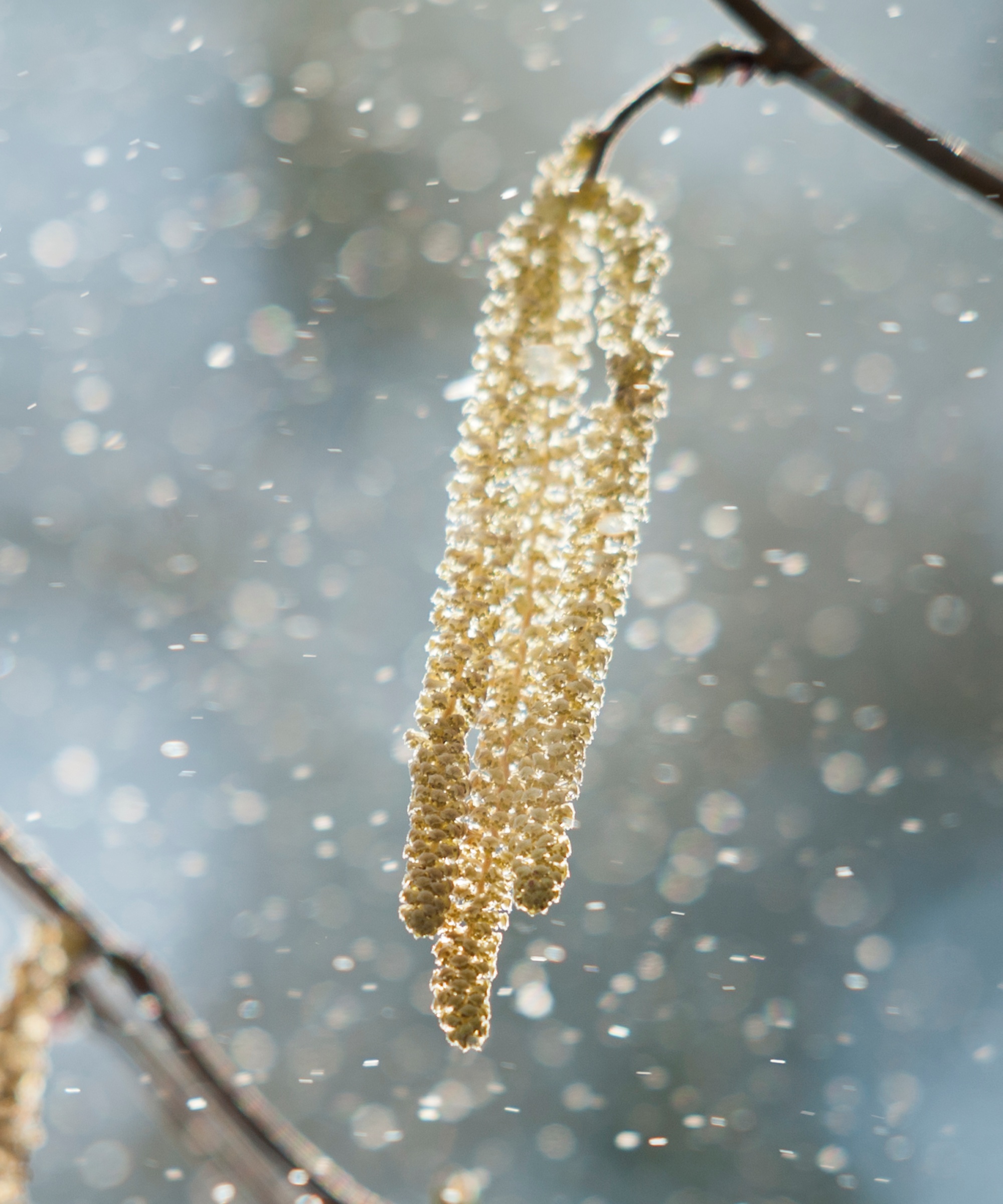
A thunderstorm pollen spike is not new. The natural phenomenon has occurred throughout history, but the term thunderstorm asthma has been recognized since the 1980s.
Dr Michael Pravica, physics professor at the University of Nevada, Las Vegas, says multiple conditions during a thunderstorm combine to cause a spike in pollen.
The rain creates a powerful force that breaks open pollen grains when it is absorbed, and strong winds carry the tiny particles far and wide. The winds are particularly likely to spread smaller pollen particles from grasses.
‘High electric fields also cause like charges to accumulate on the surface of the pollen grains,’ he adds. ‘The repulsive interactions with the like charges (typically electrons) can also break apart the pollen coat, which again releases proteins into the atmosphere.’
Dorothy Peteet, Researcher at the Lamont-Doherty Earth Observatory and Senior Research Scientist at the NASA Goddard Institute for Space Studies, explains how winds picking up and fracturing pollen make it more troublesome and spread further.
‘The fragments with allergens can stay in the atmosphere for several hours, longer than intact pollen, because of their very small sizes,’ says Dorothy. 'According to several studies using single particle fluorescence spectroscopy (Hughes et al. 2020), in a thunderstorm, the pollen is drawn up to the cloud base, where high humidity in the cloud causes the pollen grain to rupture.
‘In one example, the ryegrass pollen grain of about 30 microns in size was fragmented into over 700 particles. When this happens, the pollen fragments with allergens can penetrate deeper into the human respiratory tract, causing more severe responses.’
As explained, any pollen stirred up by a thunderstorm can be broken into hundreds or thousands of smaller grains, which are dispersed through the air and breathed in by people. And it can travel a long way to agitate allergy sufferers.
‘Strong winds can increase pollen levels and bring pollen in from much farther away than is typically seen,’ says Alan Reppert, AccuWeather Allergy Expert and Senior Meteorologist. ‘Some storms can bring in pollen from over 100 miles away.
When Is a Thunderstorm Pollen Spike More Likely?
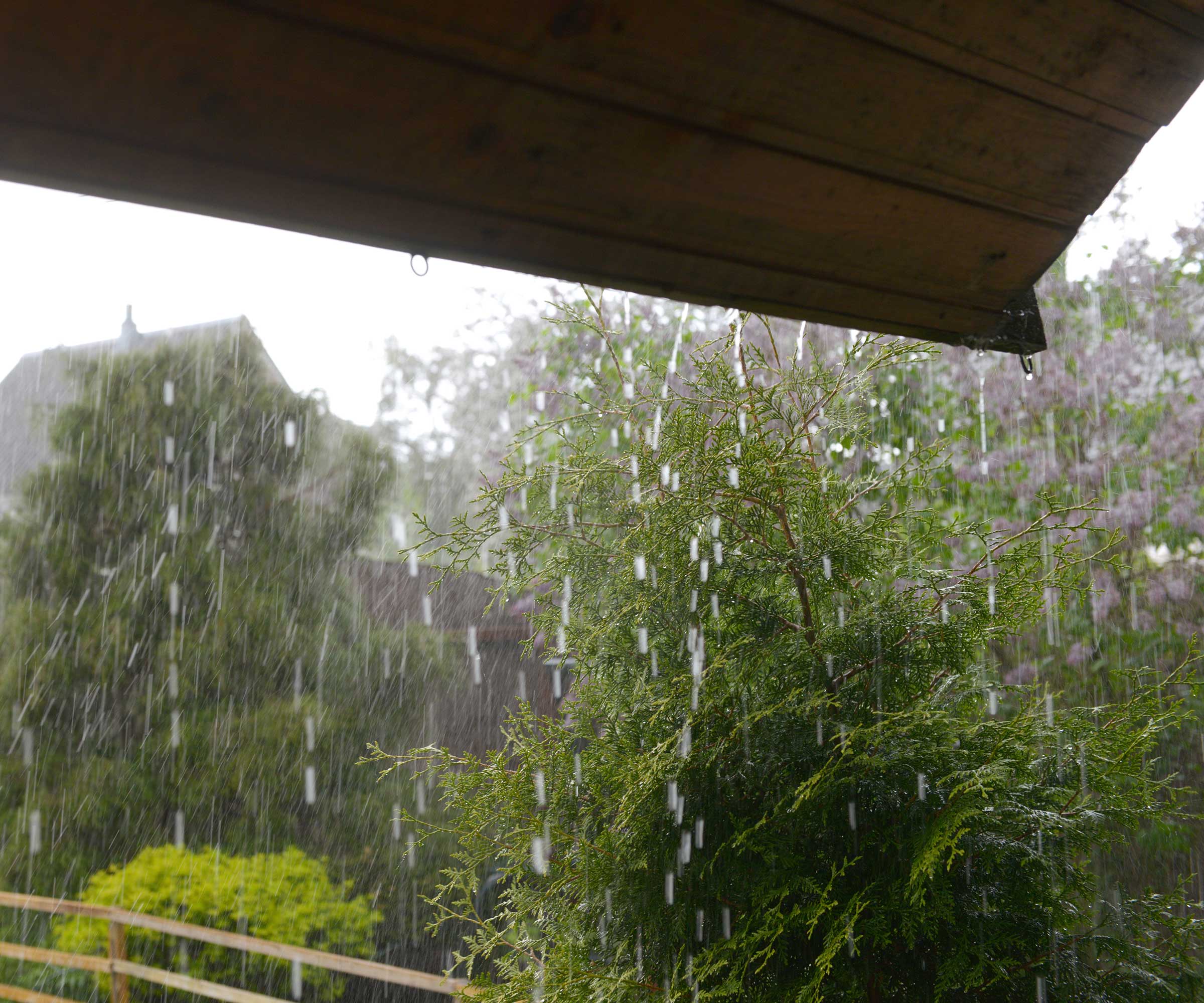
There are three core pollen spikes annually in the US. There is a peak of tree pollen in spring, grass pollen in late spring or summer, and a spike in fall when ragweed, a common weed in the US, releases large levels of pollen.
The exact timings vary depending on location. A thunderstorm pollen spike usually occurs during late spring or early summer when the grass pollen is peaking, but it also happens at other high-pollen periods.
‘Most thunderstorms form during grass pollen time, but the end of tree pollen season can bring issues with some of the late-season tree pollen trees, such as juniper and oak trees,’ says Alan Reppert.
‘We can also see weed pollen kicked up in some thunderstorms, especially later in the summer and into the fall.’
Pollen levels vary depending on the weather and even the time of day. They are higher during the morning, and lower when there is no wind to disperse the grains. A windy and warm day is likely to see high levels.
Alan says that rainy days can wash pollen out of the air, including after a storm, and adds: ‘That will help to bring down pollen levels, one of nature's ways to clean the air.’
Preventative Measures Gardeners Can Take
Smaller pollen particles broken into pieces by storms can penetrate deeply into the body and trigger severe reactions.
The simplest way to protect yourself from thunderstorm pollen spikes is to stay indoors and shut all doors and windows.
‘Use a good HEPA air filter that is optimized for filtering pollen inside your home,’ recommends Dr. Michael Pravica. You can get an air purifier at Amazon optimized for pollen.
‘If you are allergic and go outside, wear a mask (good ones might be N95 or KN95 masks) and, when going inside, remove your clothes, wash them immediately, rinse your shoes in the sink, and take a shower,' he adds.
Some planting techniques can help to create a low-allergen garden that won’t release so much pollen, even during a storm.
In this way, Alan Reppert recommends avoiding ornamental grasses with high levels of pollen, along with other blooming plants often popular in flower beds.
‘Most ornamental flowers don't produce the pollen that will typically affect people,’ he says. ‘But mums, daisies, sunflowers, and lilies are among those that can produce more pollen than other plants.’
Dorothy Peteet says that gardeners can reduce the amount of pollen dispersed by picking insect-pollinated rather than wind-pollinated plants.
‘Tree pollen and some grasses and low-growing weeds have pollen that is produced in great quantities and easily windblown. These types of pollen pose a higher risk than those plants that are insect-pollinated and have very little pollen production,’ explains Dorothy.
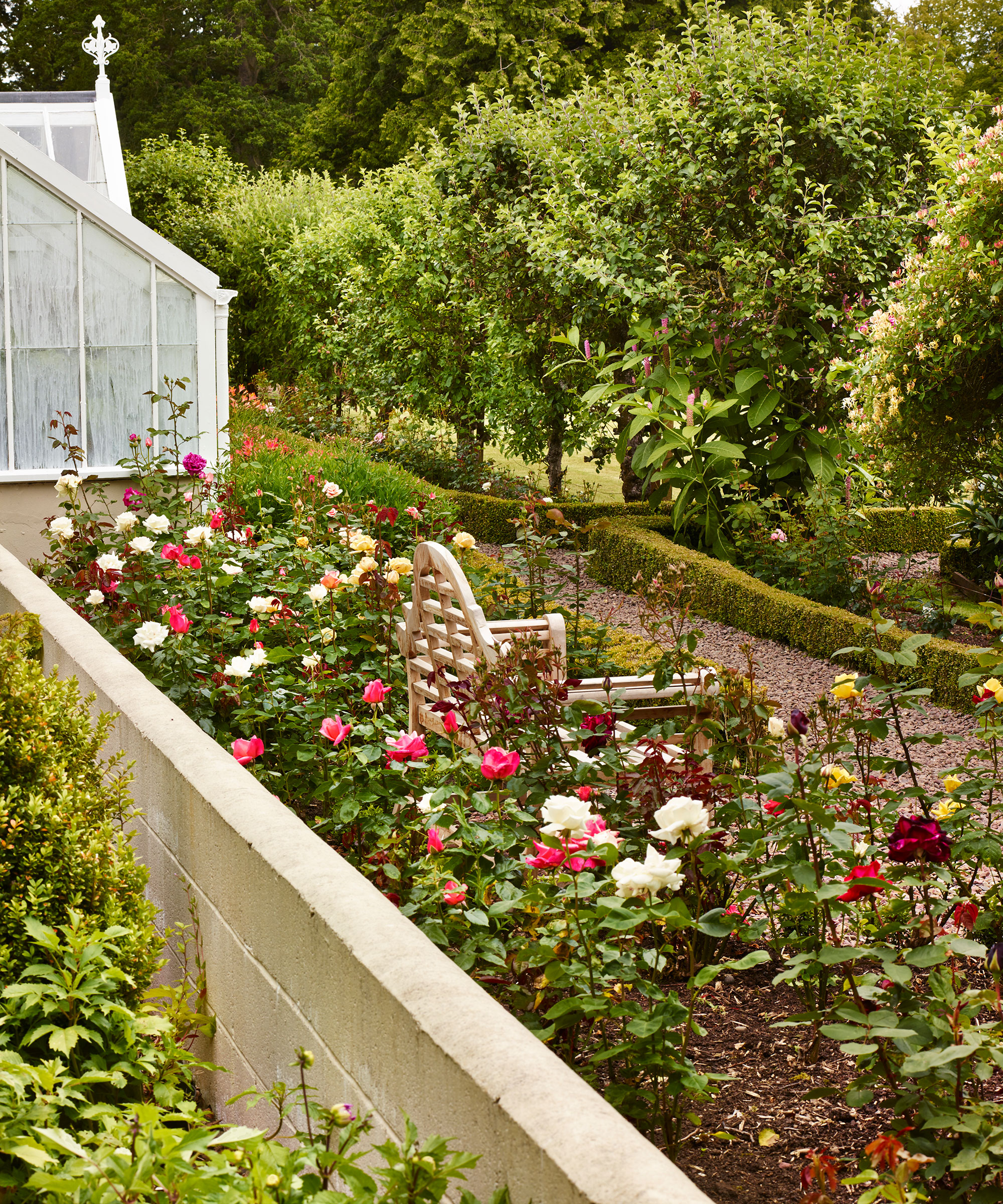
‘Gardeners can limit the planting of ragweed, grasses, and other weedy or invasive species with high pollen production. Instead, plants such as roses, blueberries, and other insect-pollinated plants would limit this impact.’
Some of the best low-pollen garden plants to add to your backyard ideas include peonies, roses, snapdragons, joe-pye weed, hydrangeas, tulips, and daffodils.
Plants to Shop for a Low-Pollen Garden
Roses have low pollen counts, and double blooms stop pollen from being released. This variety has bright pink, fully double blooms that are self-cleaning, so no deadheading of roses is required for a great display.
Peonies have heavy pollen and rely on insects for pollination, so they are great for an allergy-friendly garden. This variety grows to three feet and has large yellow semi-double blooms with a citrus fragrance.
Hydrangeas have heavy pollen that doesn't easily become airborne. In particular, 'Annabelle' is a sterile variety that produces little to no pollen. The white flowers are stunning, but lack pollen and offer little value for pollinators.
Picking flowers to grow and cut for displays can be tricky if you garden with allergies. Thankfully, there are some fantastic cutting garden flowers you can cultivate that look stunning and won’t trigger your symptoms. Our guide to cut flowers to grow for hayfever sufferers contains a great selection to discover.
If you love inspiring garden ideas, outdoor advice, and the latest news, why not sign up for our newsletter and get the latest features delivered straight to your inbox?