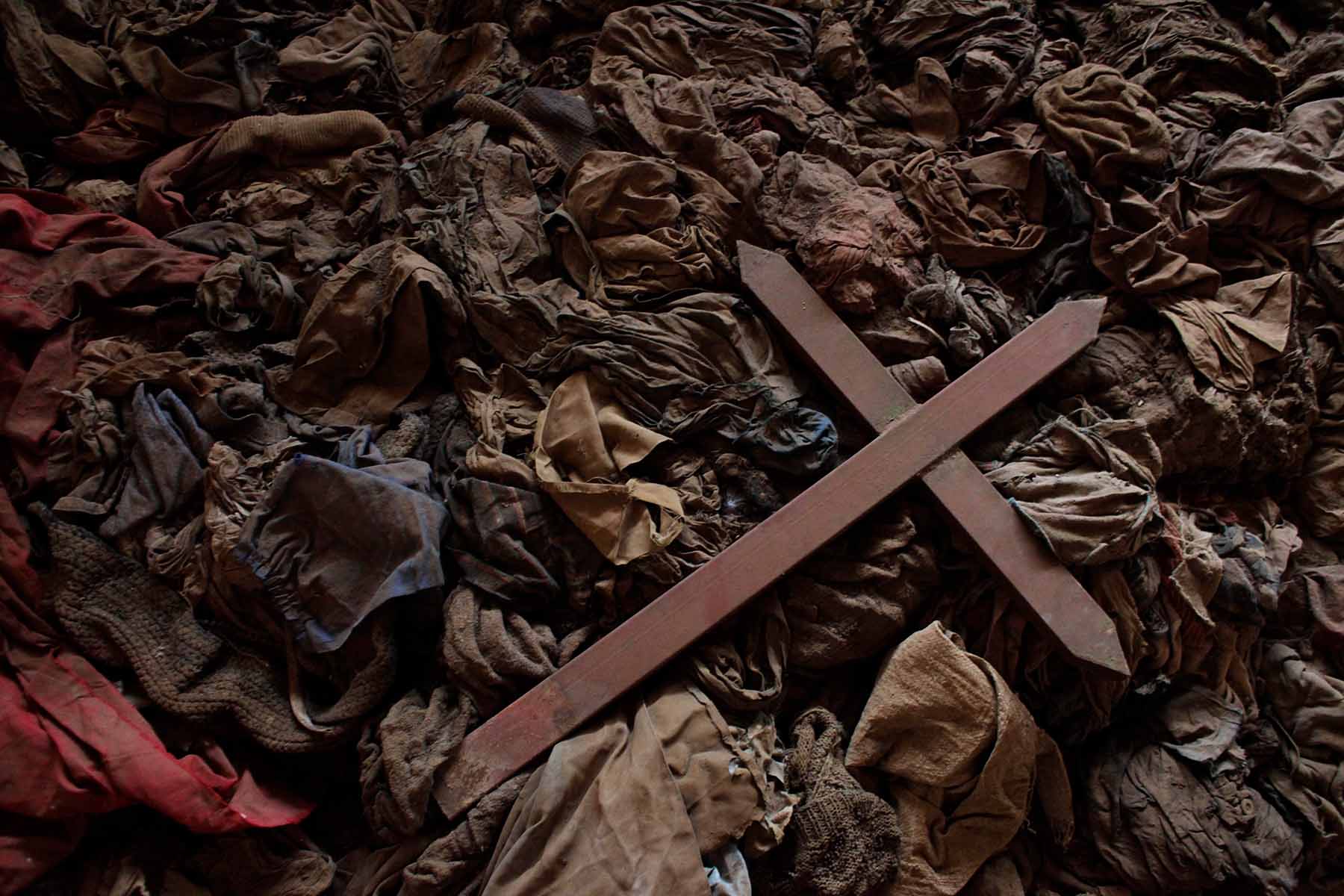
In 1993, I had been tasked by the United Nations to lead the implementation of a peace accord in Rwanda between two warring ethnic groups, the Hutus and the Tutsis. A year later, the Rwandan military and Hutu militia began their slaughter of the Tutsi minority. In the first days of the killings, a number of nations sent reconnaissance parties to assess the situation. At the debriefings, one member told me, “General, we’re going to recommend that no one get involved in this complicated mess. It may only be tribal and it may not last too long.” Another said, “You know, there’s nothing here for us. No strategic resources. The only thing here is people, and there are too many of them anyway.”
It was not until six weeks later, with half a million massacred bodies strewn across the world’s TV screens, that the UN Security Council finally agreed to call this “complicated mess” a genocide and approved a 5,000-troop reinforcement. I needed those troops, adequately trained and well supplied, as soon as I could get them, and only the big and middle powers could make that happen. They didn’t. No one came until the killing stopped. The genocide was over in July. The first troops hit the ground in August. They were from Ethiopia, where a civil war had just ended; they arrived with no background in how to handle a peace agreement within the context of a UN structure. They didn’t have ammunition. Or radios. Or supplies. It was too late anyway.