You might not notice it at first glance, but something’s changing in how the upper middle class spends.
The once-free-flowing brunches, impulse travel plans, and home renovation projects are slowing down.

It’s not a crisis, more like a quiet recalibration. As 2026 unfolds, many well-off Americans are tightening their belts, and not just because of inflation.
A recent CBS News poll, two-thirds of Americans said they expect the rise in costs to continue.
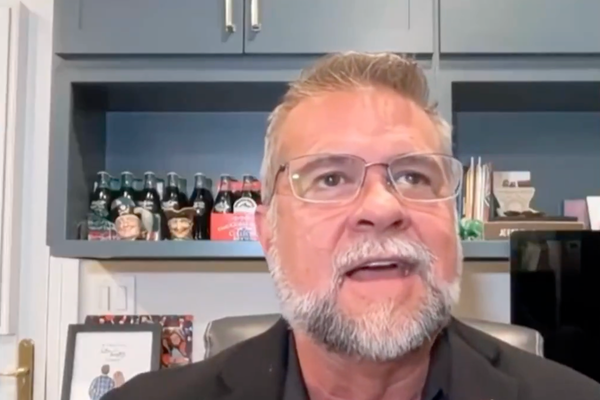
According to Kevin Marshall, CPA and the lead contributor at Smithii Tools, even those with solid six-figure incomes are feeling the squeeze of inflation, volatile markets, and what economists call “stealth tax increases.”
Here’s what’s driving the shift and why it could end up affecting more than just luxury markets.
How Inflation Is Changing the Way We Spend Every Day
“Money circulation patterns in daily activities have undergone changes because of inflation,” said Marshall.
He explained that upper-middle-class families must spend more on their basic needs because housing costs and healthcare expenses and childcare fees and education fees have increased at a faster rate than their income.
In simple terms, people earn more money, but their available cash for spending remains limited.
“A family making $180,000 would fall into the top 20% of earners, but their after-tax income would be insufficient to cover their mortgage payments, student loans, basic living costs, travel expenses and home improvement costs,” he said.
Read More: America’s 30 Safest and Wealthiest Retirement Towns
Find Out: 6 Subtly Genius Moves All Wealthy People Make With Their Money
Then There’s Investment Volatility
According to Marshall, the market expansion across multiple years created a false sense of financial success.
“Retirement accounts grew, and real estate prices soared while investment portfolios showed positive signs,” he said.
He noted that investors delay their vital financial choices because market returns become impossible to predict.
It’s less about panic and more about prudence, Marshall added. “The unknown future investment returns have caused all investors to doubt whether they should invest more than they can afford.”
Stealth Tax Increases Add Another Layer
“The upper-middle class faces direct impact from policy changes, which include deduction reductions and tax rate increases and credit phase-outs,” said Marshall.
He said the combination of bracket creep with inflation causes real income loss because inflation pushes earnings into higher tax brackets without providing any actual purchasing power increase.
“The financial growth of these families has not resulted in enhanced financial stability, which now affects their shopping choices.”
What This Means for You
“People who earn lower incomes need to understand both the potential dangers and useful knowledge from this change,” said Marshall.
He explained that the budget strain of higher-income households becomes apparent when they reduce their spending because inflation and tax increases have reached a critical point.
“The process of disciplined budgeting moves from being useful to becoming essential at this point.”
Additionally, households that experience this financial strain need to start by tracking their money distribution.
Marshall equally noted that the process of building an emergency fund through small deposits protects against sudden financial challenges.
“Financial literacy becomes essential because it enables people to use available tax credits and government benefits to decrease their financial obligations,” said Marshall.
More From GOBankingRates
- 10 Kirkland Products Costco Quietly Raised Prices on -- and Where To Buy Instead
- 5 Reliable Cars That Will Have Massive Price Drops in Winter 2025
- 9 Low-Effort Ways To Make Passive Income (You Can Start This Week)
- 6 Safe Accounts Proven to Grow Your Money Up to 13x Faster
This article originally appeared on GOBankingRates.com: Why the Upper Middle Class Is Quietly Cutting Back in 2026 — and What It Means for You