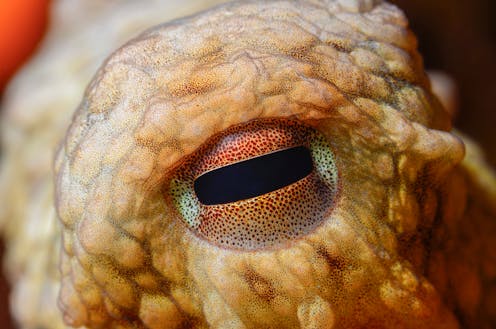
Octopus is a popular ingredient in many cuisines, with some 420,000 metric tonnes of this mollusc being caught worldwide each year. The rising global popularity of octopus has been attributed to the increasingly adventurous tastes of younger consumers, its nutritional benefits and the decline of traditional fish stocks such as cod. This helps explain why the food processing corporation, Nueva Pescanova, aims to build the world’s first indoor octopus farm in Gran Canaria: a thousand-tank facility for producing 3,000 tonnes of octopus a year.
Octopuses can pile on a staggering 5% of their body weight in a day which makes them an appealing prospect for aquaculture, though they are notoriously difficult to breed in captivity. Nueva Pescanova claims to have made an important scientific breakthrough, however, which will allow them to raise successive generations of Octopus vulgaris, otherwise known as the Atlantic common octopus. The firm argues that farming octopus will reduce fishing methods such as sea-bed trawling, for example, and ensure a supply of “marine-based food” while also “relieving pressure on wild fishing grounds”.