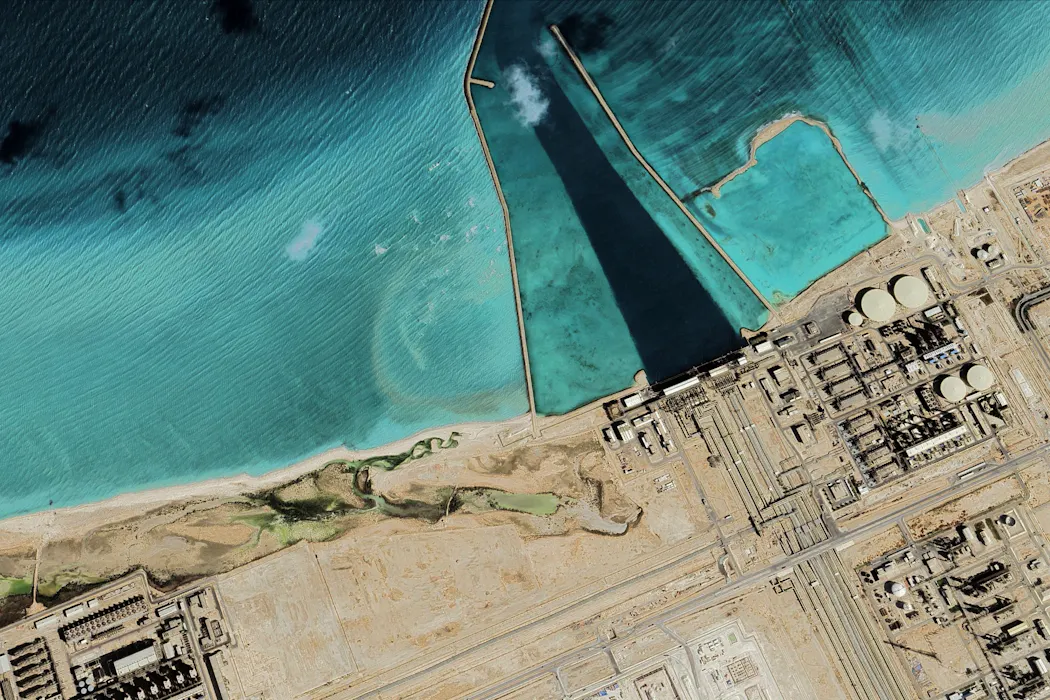
On March 19, Ras Laffan, the largest liquified natural gas (LNG) terminal in the world, supplying one-fifth of the world’s super-chilled fuel, was hit by Iranian missiles and drones. The Qatari terminal suffered substantial damage in the strikes – fires were raging across the gas-to-liquids facility within the complex, which covers 295 square kilometres – the size of a large city.
Investments worth tens if not hundreds of millions of dollars disappeared into thin air. Damage was estimated to be so extensive that QatarEnergy’s CEO, Saad Sherida al-Kaabi, said the company may have to declare a “force majeure” (non-fulfilment of orders due to circumstances outside their control) on long-term contracts. He said this could affect LNG supplies to Italy, Belgium, Korea and China “for up to five years”.