
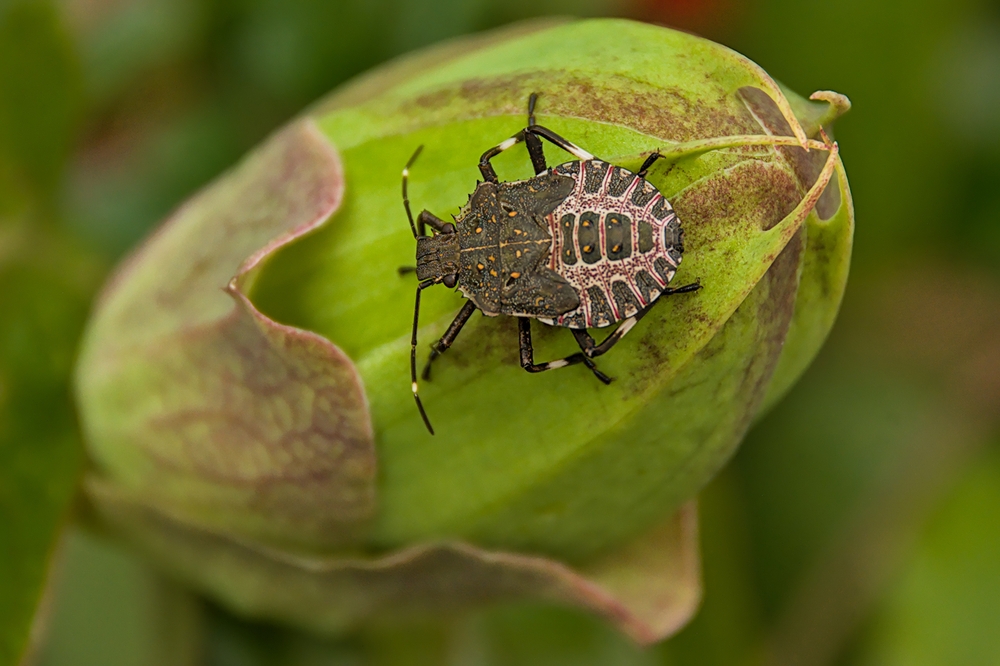
Autumn is rolling in across North Carolina, bringing cooler temperatures, falling leaves, and an unexpected army of tiny, shield-shaped invaders marching toward your windows. Yes, stink bugs are making themselves at home in places they normally wouldn’t—your living room, kitchen corners, and even the space behind your curtains.
For many, it’s an unwelcome surprise: these bugs don’t bite or cause structural damage, but their pungent odor and sudden appearance can turn a cozy evening into a battle of wits. So why are they suddenly showing up in larger numbers than usual, and what’s motivating their grand migration indoors?

Stink Bug Biology And Seasonal Behavior
Stink bugs, scientifically known as Halyomorpha halys, are native to East Asia but have made themselves comfortable across the United States, particularly in the mid-Atlantic and southern states like North Carolina. They are notorious for their shield-shaped bodies and the pungent smell they release when threatened. While they mostly feast on fruits, vegetables, and ornamental plants outdoors, they are not picky when it comes to seeking shelter as the weather turns.
In late fall, the cooling temperatures signal to stink bugs that it’s time to find a warm, dry place to overwinter. Homes, with their snug insulation and cozy nooks, suddenly look like five-star resorts to them. This behavior is completely normal for their species, though it can feel anything but normal for homeowners who find dozens in a sunroom or attic.
Climate Factors Driving Indoor Migration
Weather patterns have a massive influence on stink bug activity. Mild falls, warmer winters, and unseasonably dry spells can all contribute to larger populations seeking indoor refuge. North Carolina’s climate is particularly inviting because the state experiences a mix of temperate zones, with long, humid summers that encourage population booms. When fall rolls around and outdoor temperatures start dipping into the 50s and 60s at night, stink bugs begin their mass migration indoors. They are especially active on sunny days when they can warm their bodies before venturing inside. Essentially, if the climate outside doesn’t align with their comfort needs, your home becomes the perfect substitute.
The Role Of Urbanization And Landscaping
Human development also plays a surprisingly big role in stink bug invasions. Suburban neighborhoods, with their carefully manicured gardens, fruit trees, and ornamental plants, provide a veritable buffet for these bugs. They feed voraciously on apples, peaches, and tomatoes, which makes North Carolina’s residential landscapes highly attractive. Beyond food, homes themselves—with gaps around windows, doors, and attic vents—offer ideal entry points.
As more natural habitats are replaced by human structures, stink bugs have fewer options for overwintering outdoors, so they head indoors instead. It’s not personal; it’s just survival instincts kicking in.
How Stink Bugs Affect Homes And Gardens
While stink bugs are more of a nuisance than a direct threat to people, their impact on gardens and crops can be significant. In orchards and vegetable patches, they pierce fruit and leaves, leaving behind scars that can reduce the quality of produce. Indoors, their signature defense mechanism—the foul-smelling chemical they release when disturbed—can linger on walls, fabrics, and furniture. For homeowners, that smell is often the first clue that a stink bug has taken up residence. They don’t chew wires or destroy structures, but they are persistent visitors who can test anyone’s patience.
The combination of their abundance, the odor, and the unpredictability of finding them in unexpected corners is what makes their presence so frustrating.

Effective Ways To Prevent And Manage Infestations
Prevention is always better than chasing stink bugs around the living room. Sealing cracks and gaps around windows, doors, siding, and vents is crucial to keeping them out. Homeowners can also install fine mesh screens on vents and chimneys to block entry points. Outdoor landscaping can help too: removing or thinning fruit-bearing trees and shrubs near the home’s foundation reduces attraction. For those who spot intruders indoors, gentle removal is key. Using a vacuum equipped with a bag can safely collect them without triggering their stinky defense, and sealing the vacuum bag immediately prevents odors from escaping. Pesticides are typically a last resort and are less effective against stink bugs that have already settled inside.
The Bigger Picture: Ecological Considerations
It’s easy to view stink bugs purely as pests, but they are also part of a complex ecological web. Predatory insects, birds, and spiders all rely on them as a food source. In the wild, they play a role in controlling the populations of other insects and maintaining balance in garden ecosystems.
While North Carolina homeowners may see them as unwelcome houseguests, understanding their ecological role can change our perspective from frustration to fascination. Their behavior, particularly their seasonal migration, is a remarkable example of how wildlife adapts to human-altered environments. In short, they are both a nuisance and an ecological marvel—a delicate dance between human comfort and natural survival.
What Do You Think About These Visitors?
Stink bugs may be irritating, but they offer a window into the fascinating ways animals adapt to seasonal and environmental pressures. From climate-driven migrations to human-influenced landscapes, their sudden appearances in North Carolina homes are a combination of instinct, survival, and opportunity.
Have you noticed stink bugs creeping around your home this season, or found clever ways to handle them? Your experiences and tips could help others navigate this yearly invasion.
You May Also Like…
This One Winter Gardening Habit Could Be Spreading Invasive Pests Across the South
Why Your Raised Beds Might Be Harboring Pests Right Now—Even in Freezing Temps
Why Pests Overwinter in Untended Garden Beds
5 Bugs in Your Garden That Could Be Destroying Your Home’s Foundation
6 Annuals That Don’t Need Expensive Soil Mixes
The post Why Stink Bugs Are Suddenly Invading Homes in North Carolina appeared first on Frugal Gardening.